
Hostas: The Ultimate Shade Garden Plant
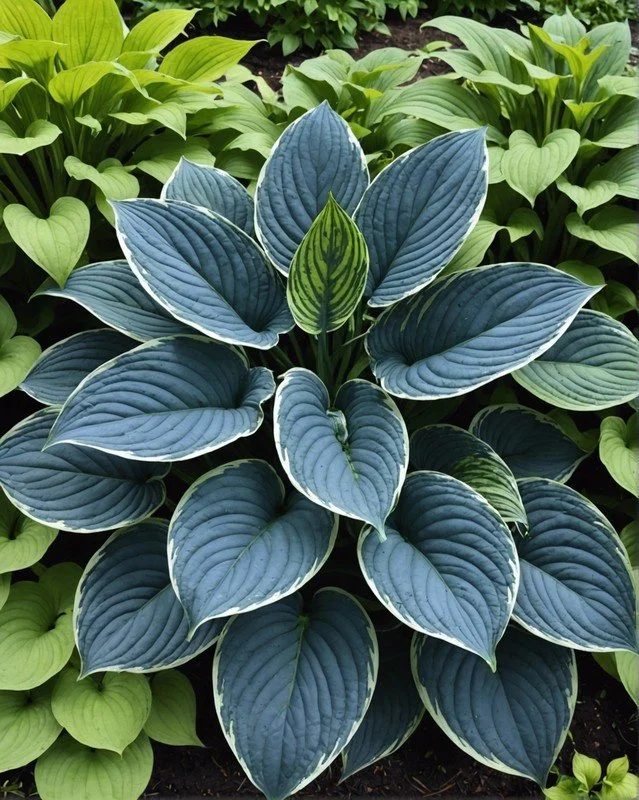
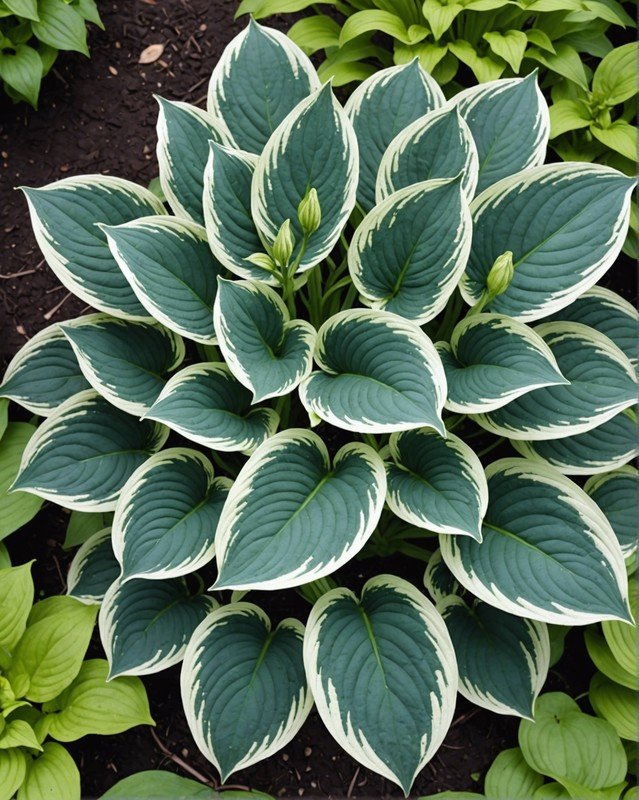
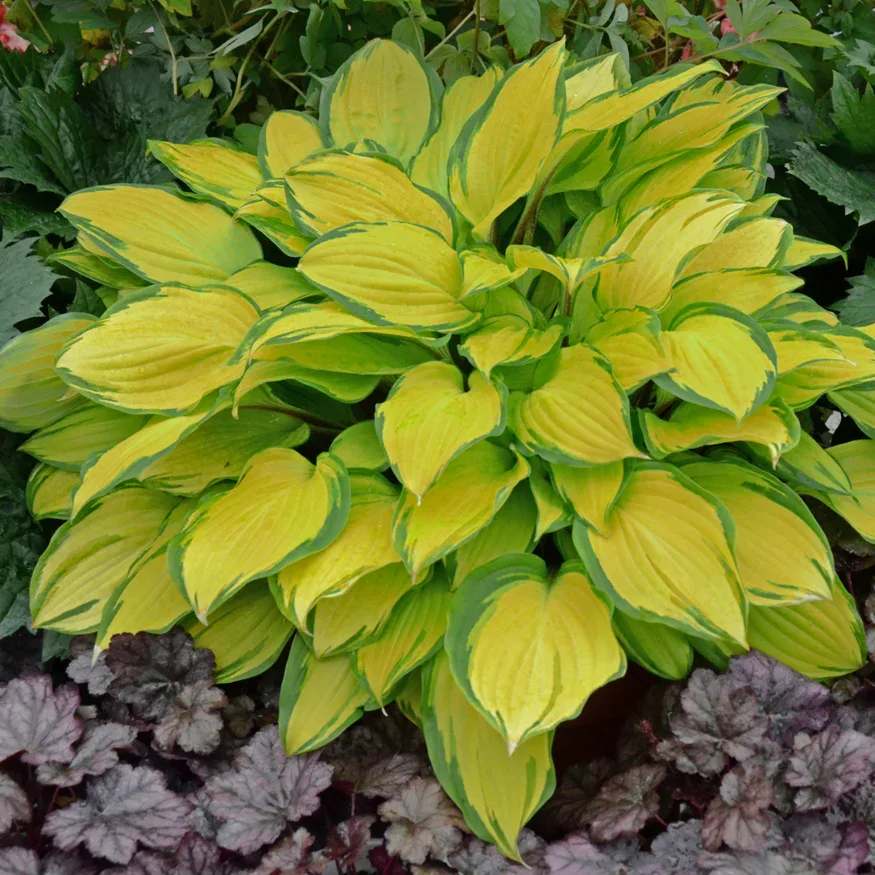
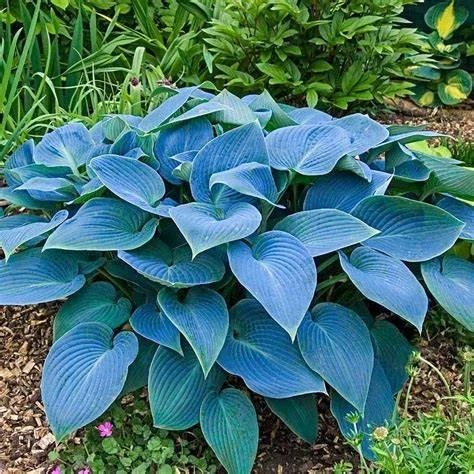
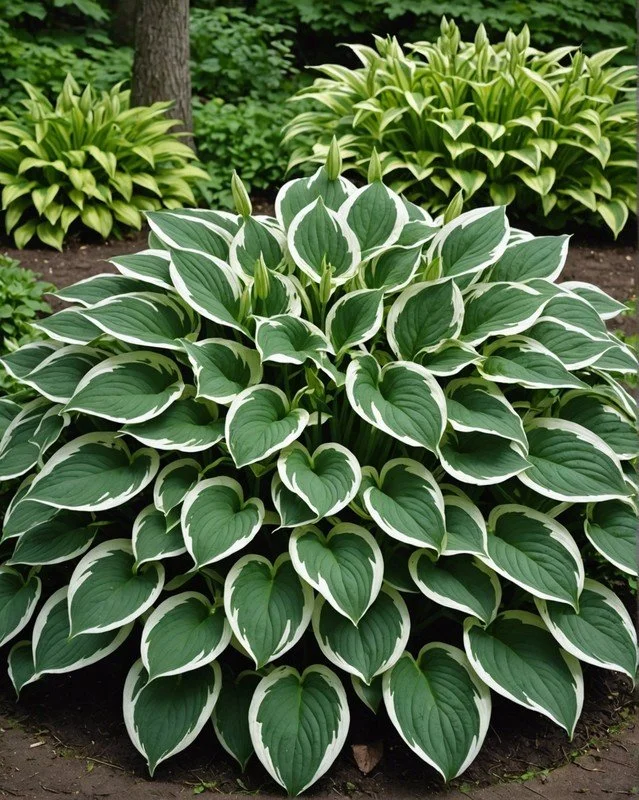
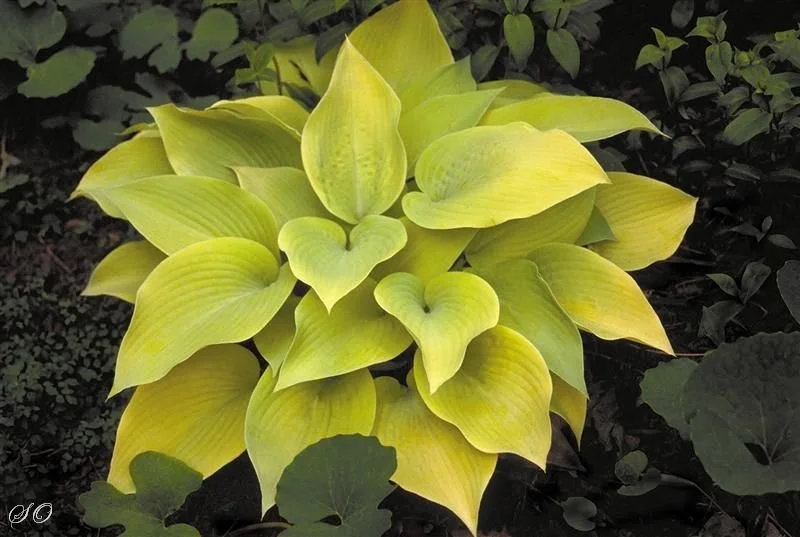
Hostas are the kings of the shade garden. Their foliage comes in an incredible range of colors and patterns, from bright light green and golden yellow to rich, moody blue-green. Some varieties have green leaves edged in white, while others feature creamy white leaves outlined in green. With so many sizes, colors, and leaf shapes available, there’s a hosta for just about every shady spot in the garden.
They’re also one of the easiest perennials to grow. Hostas require very little maintenance, return year after year, and are easy to divide when you want to expand your collection or share plants with friends. If you’re looking for a reliable plant that brings color, texture, and interest to the shade garden, it’s hard to beat a hosta.
Light, Water, and Fertilizer Requirements
One of the reasons hostas are so popular is that they are easy to grow and adapt to a wide range of garden conditions. While they are known as shade plants, not all hostas have the same light requirements.
Most hostas grow best in morning sun and afternoon shade. Varieties with blue-green foliage generally prefer more shade, as too much sun can cause the blue coloring to fade. Yellow and gold varieties can usually tolerate a bit more sunlight, which often helps bring out their vibrant color. White-centered varieties appreciate protection from the hot afternoon sun to prevent leaf scorch.
Hostas like consistently moist soil, especially during the warmer months of summer. They do not like to dry out completely, but they also don’t like soggy soil. A layer of mulch around the plants helps conserve moisture and keeps the roots cool. During extended dry periods, a deep watering once or twice a week is usually better than frequent shallow watering.
When it comes to fertilizer, hostas are not heavy feeders. I like to work a little compost into the soil when planting and apply an organic all-purpose fertilizer in the spring as new growth emerges. In most gardens, that’s all they need to produce healthy foliage throughout the season. Avoid over-fertilizing, as it can encourage excessive leaf growth that may be more susceptible to damage from wind, heat, and pests.
Give hostas the right combination of shade, moisture, and a little fertilizer, and they’ll reward you with beautiful foliage for many years to come.