Sunflowers: Big Color, Tall Blooms, and Summer Garden Drama
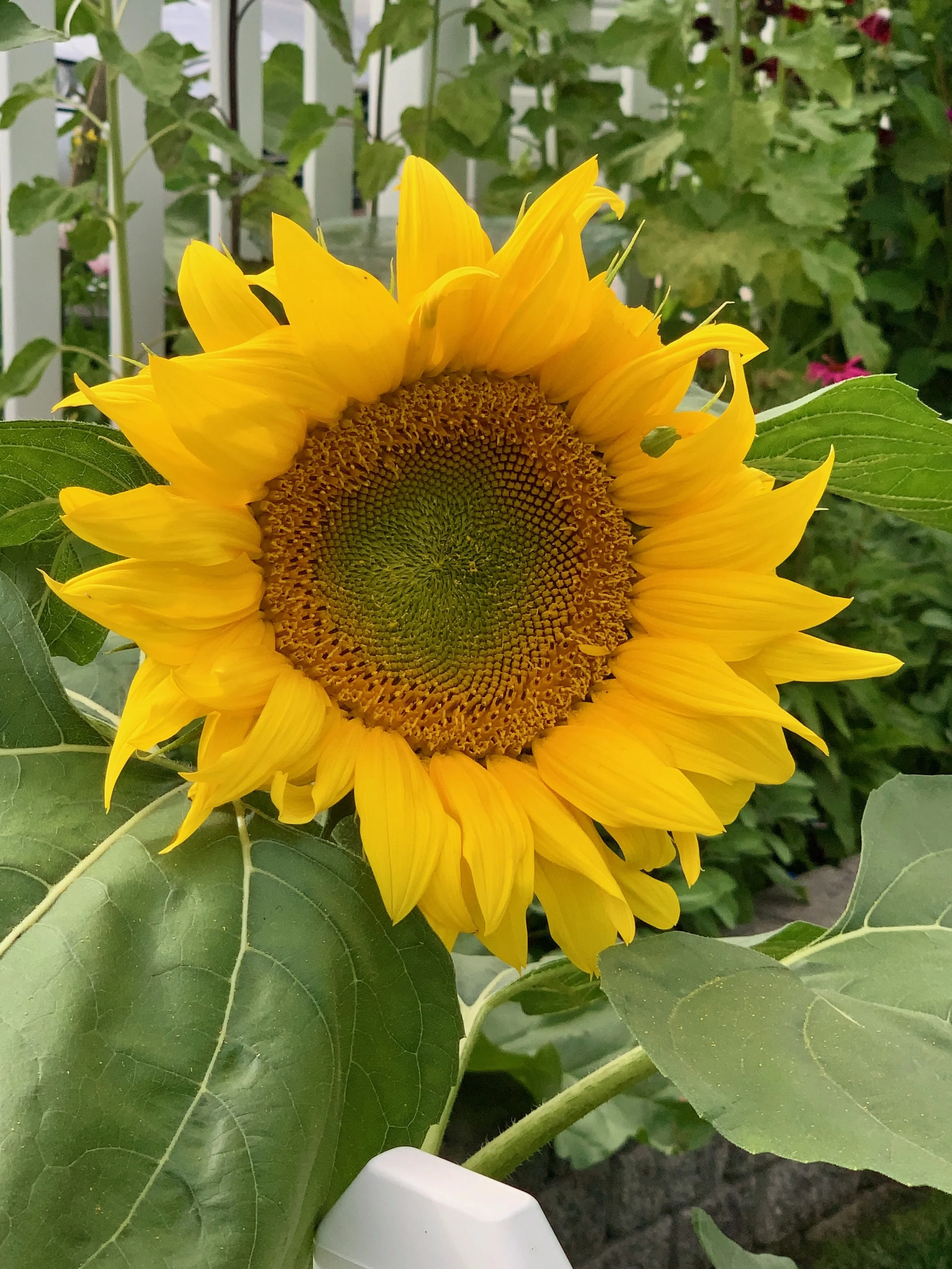
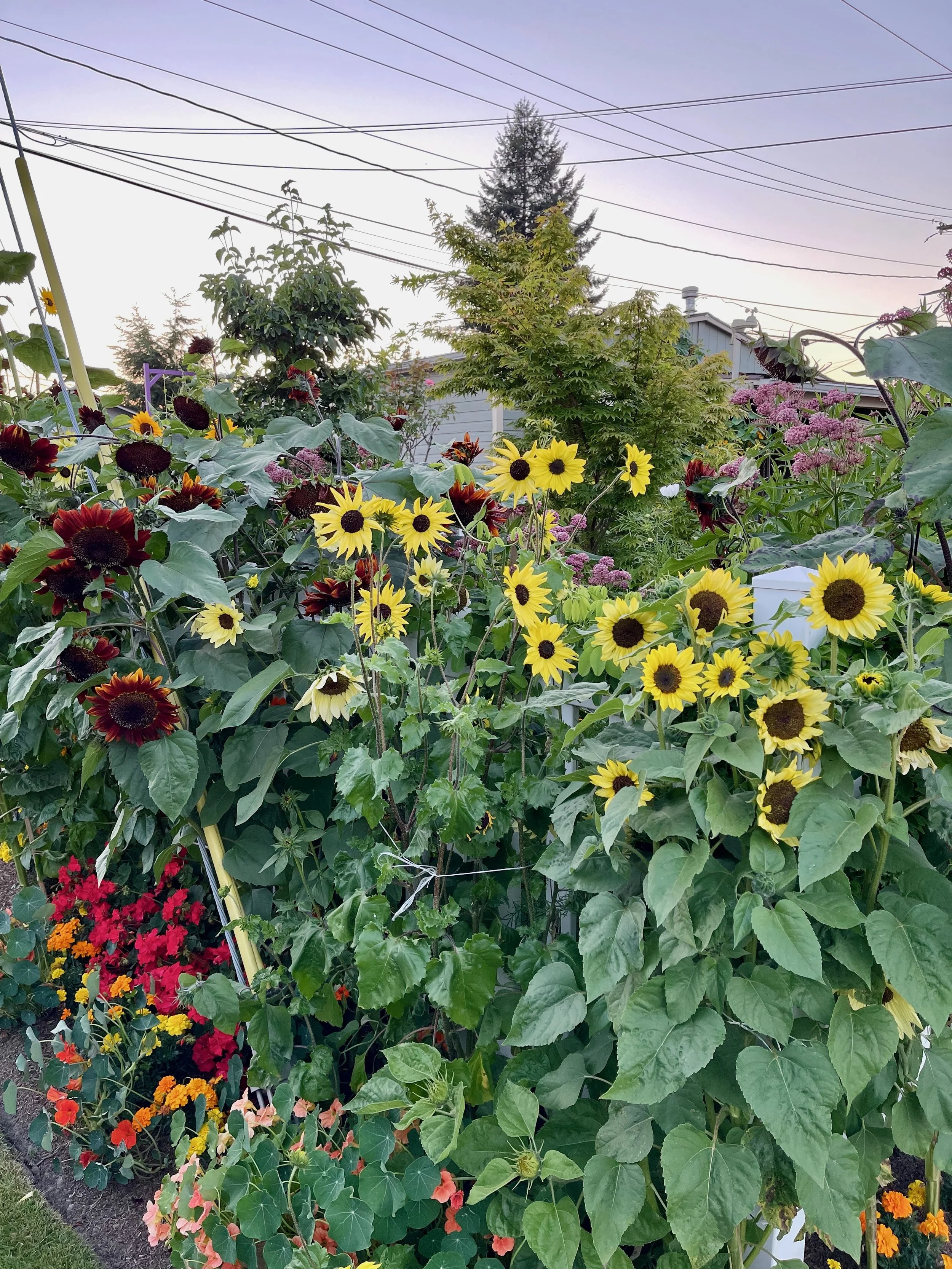
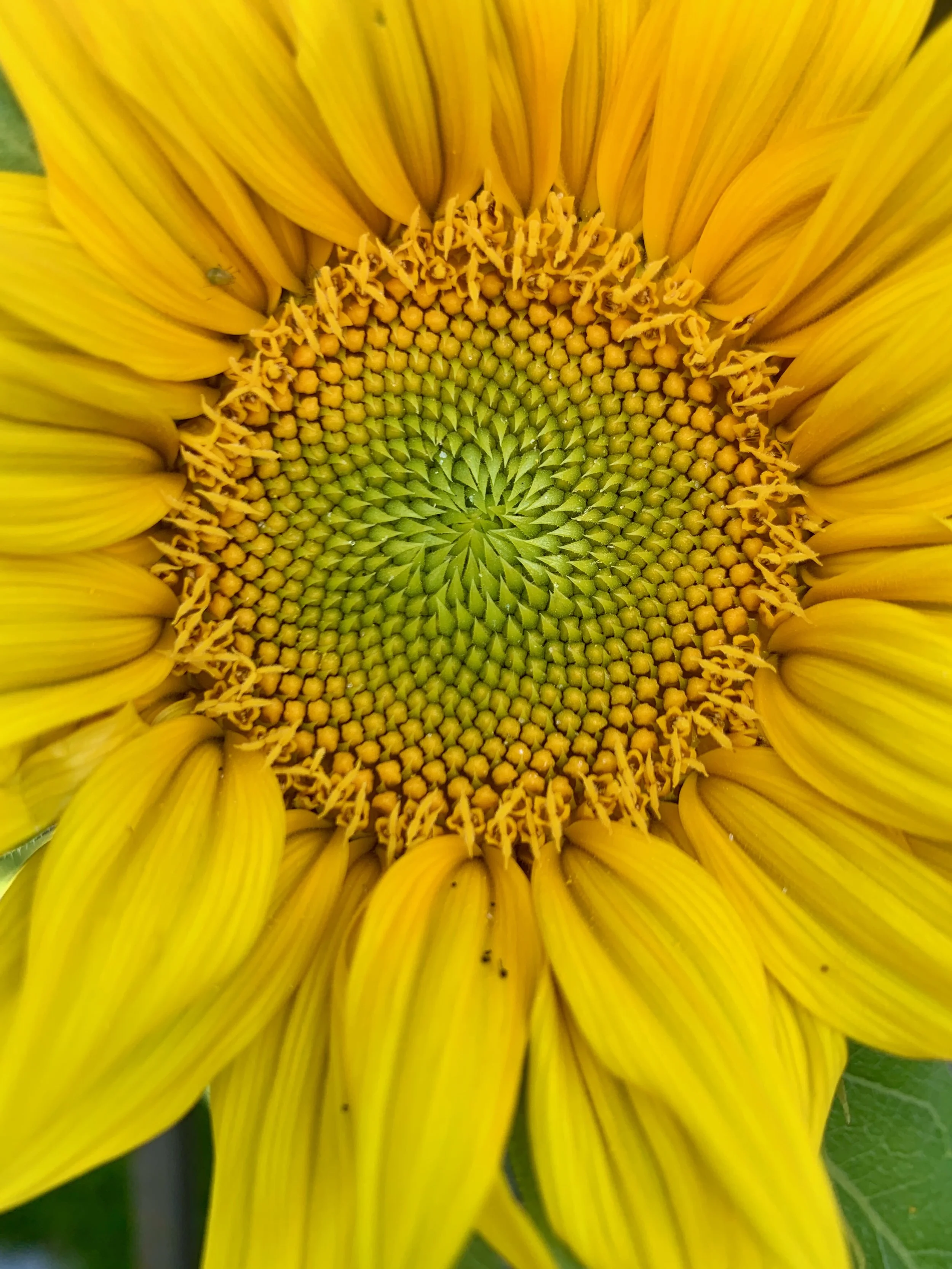
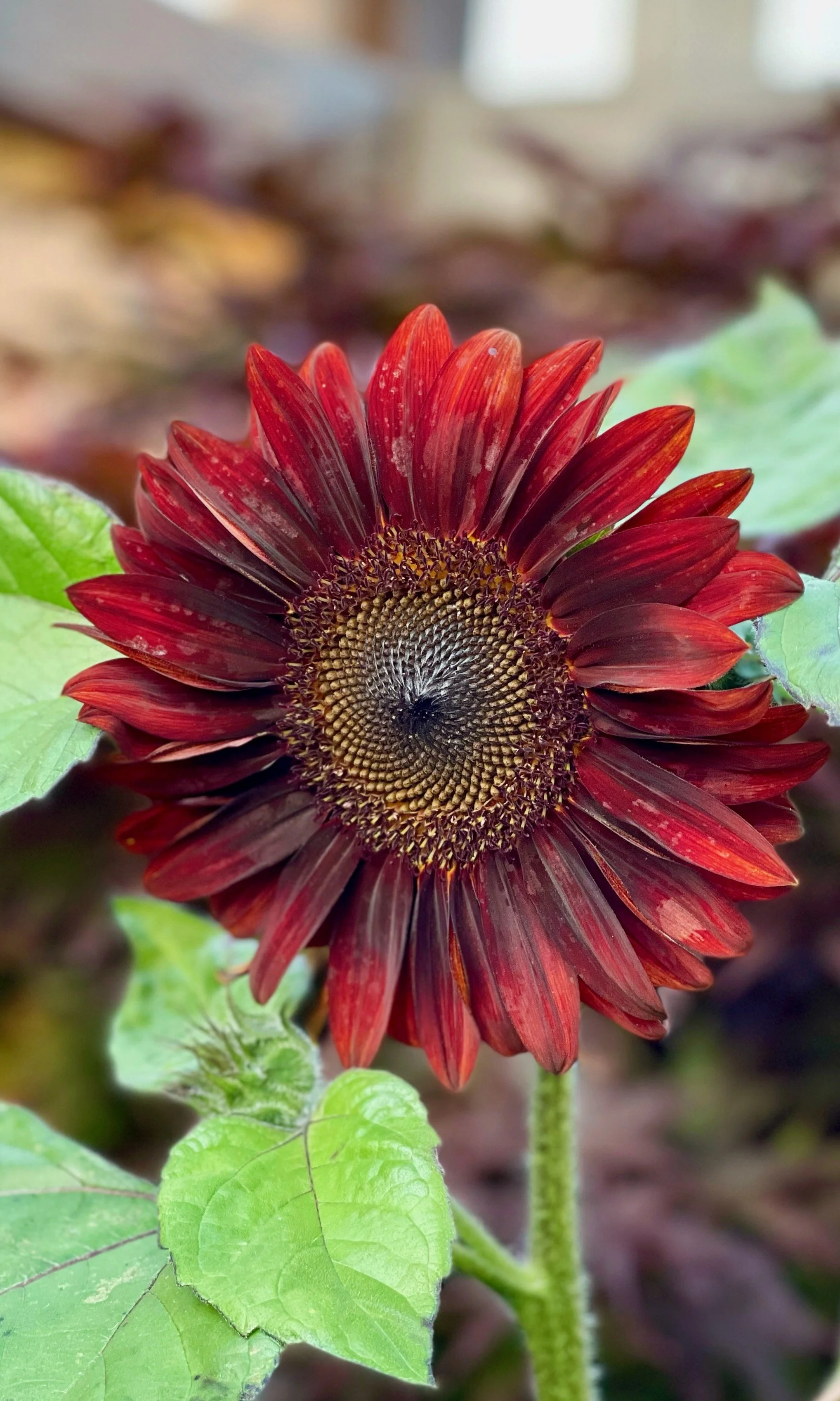
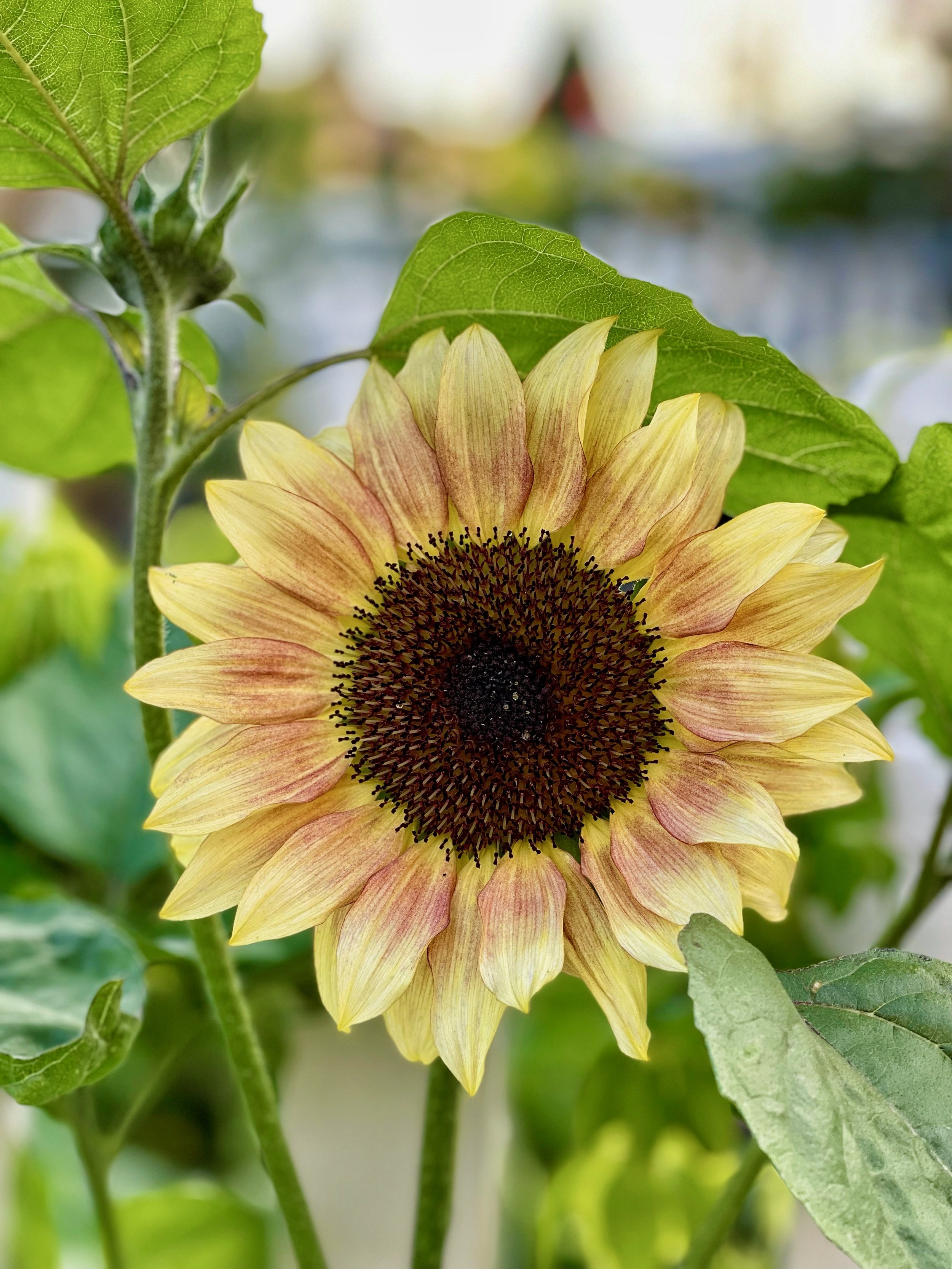
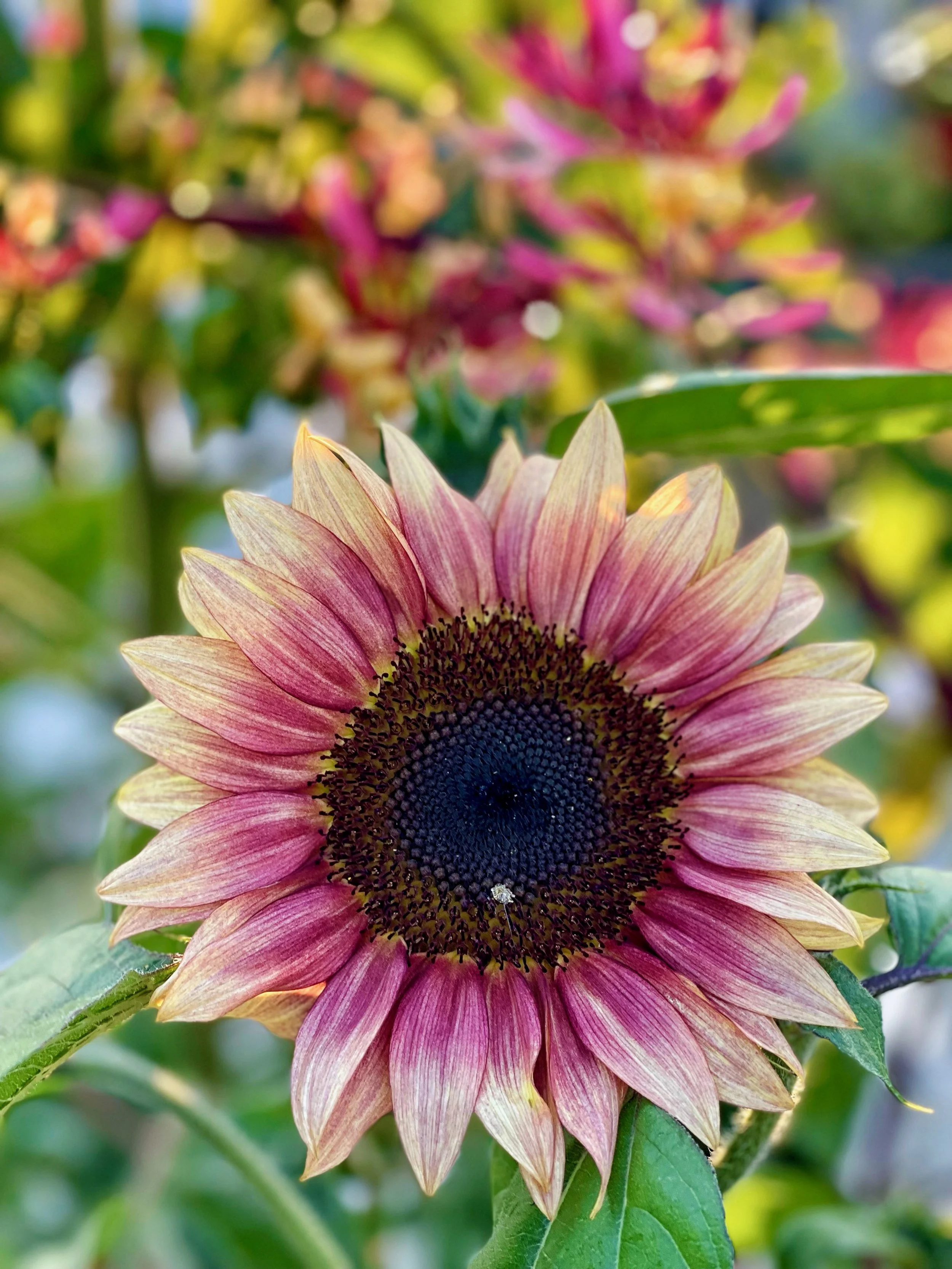
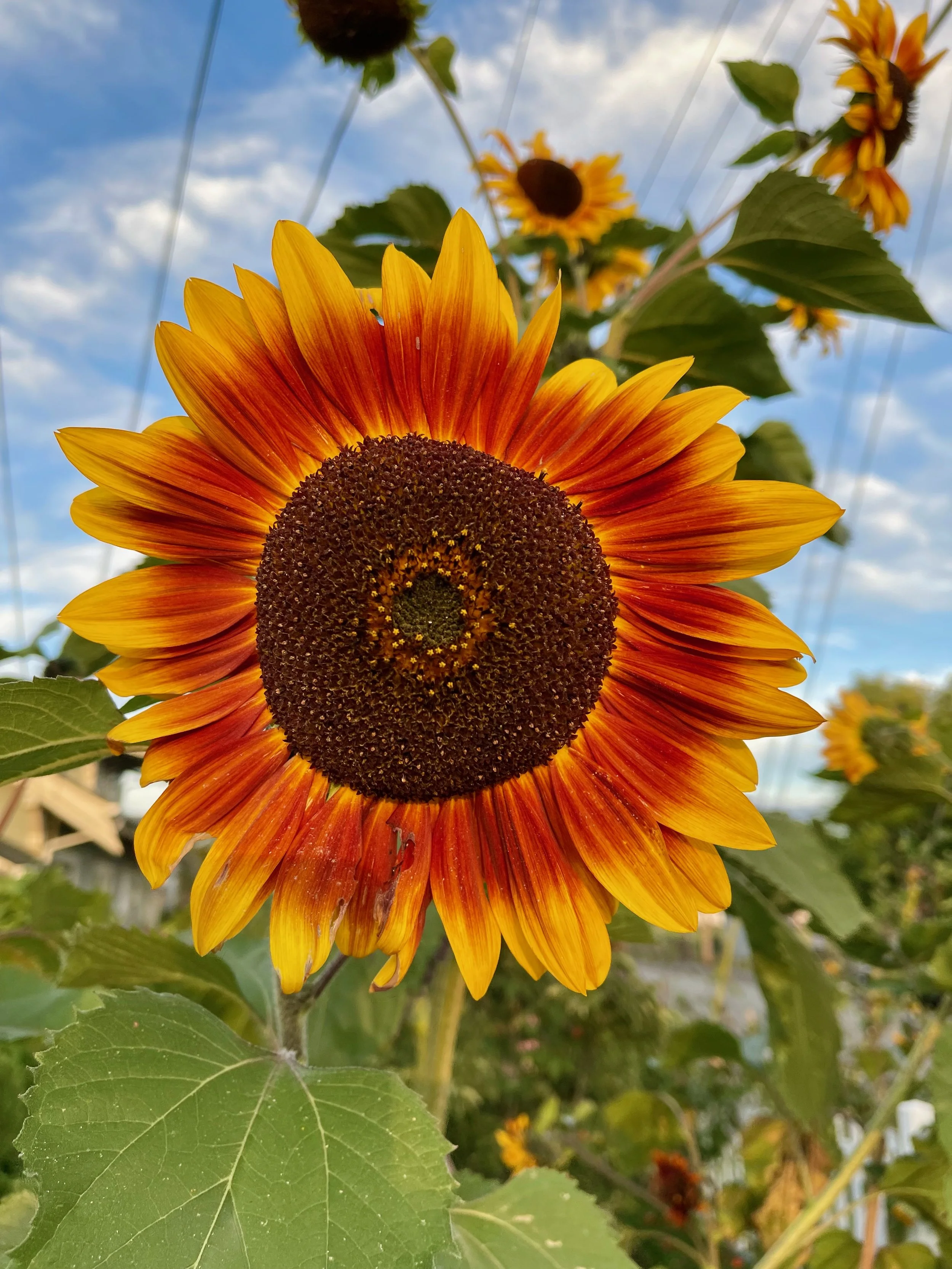
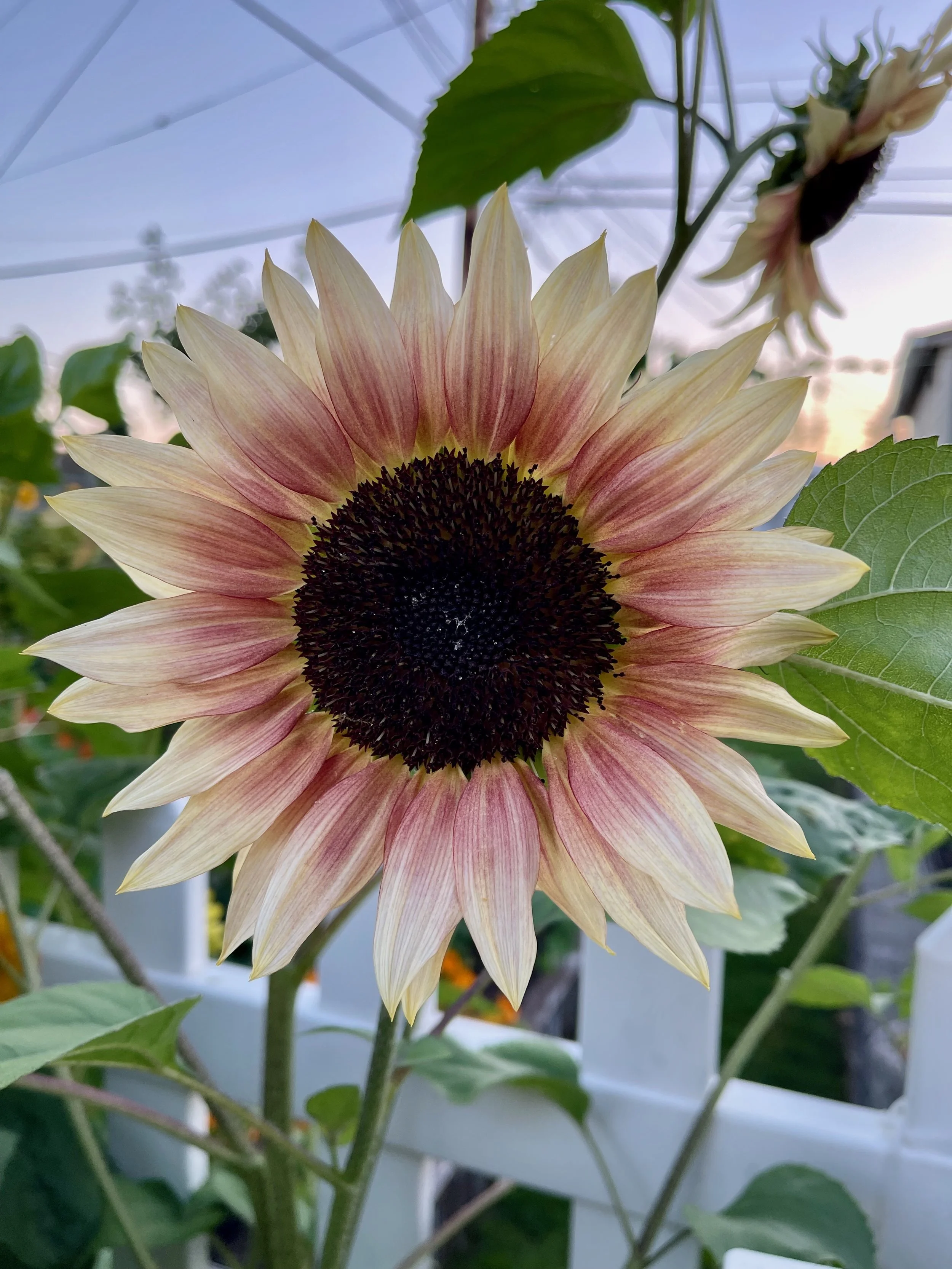
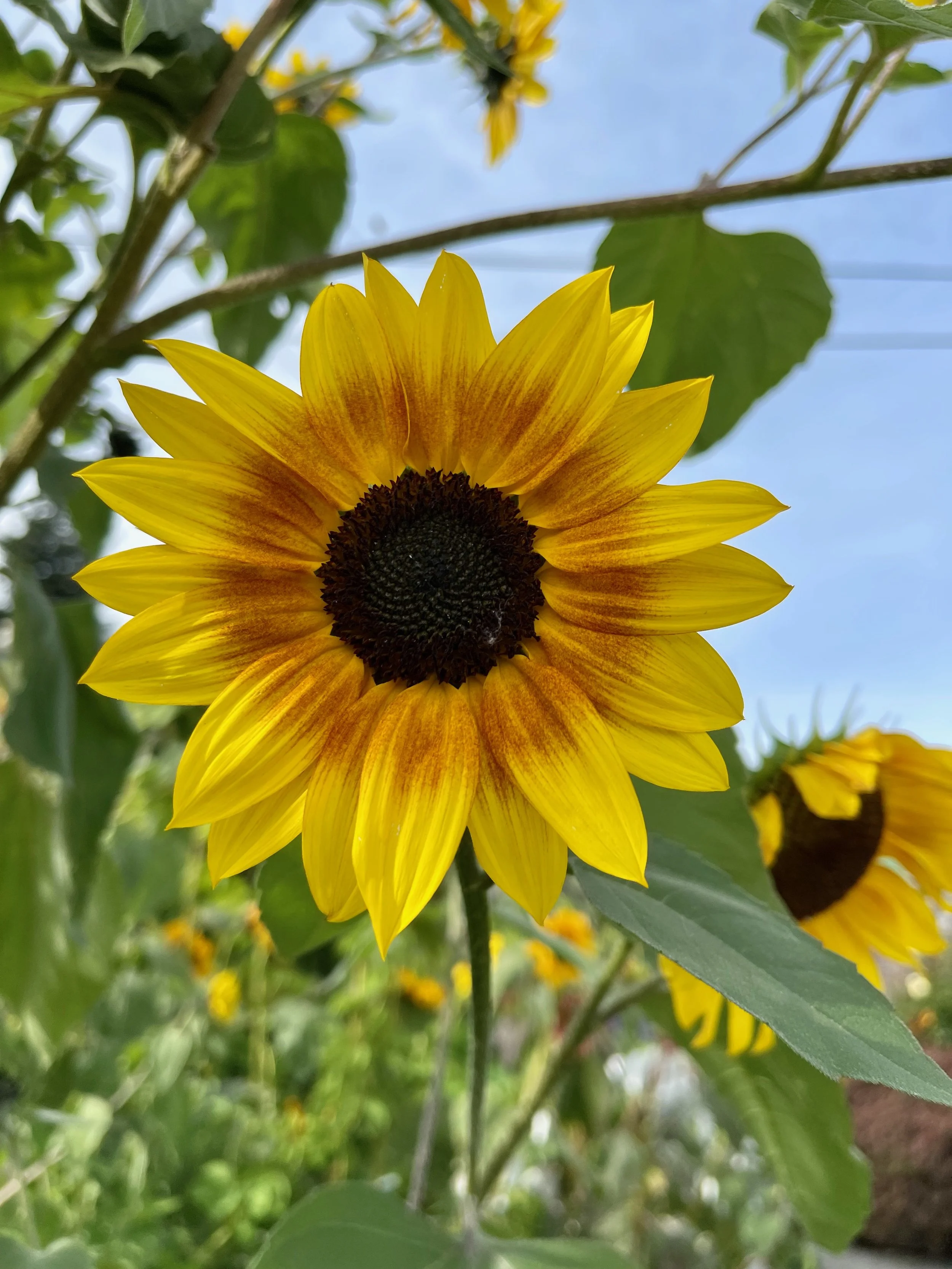
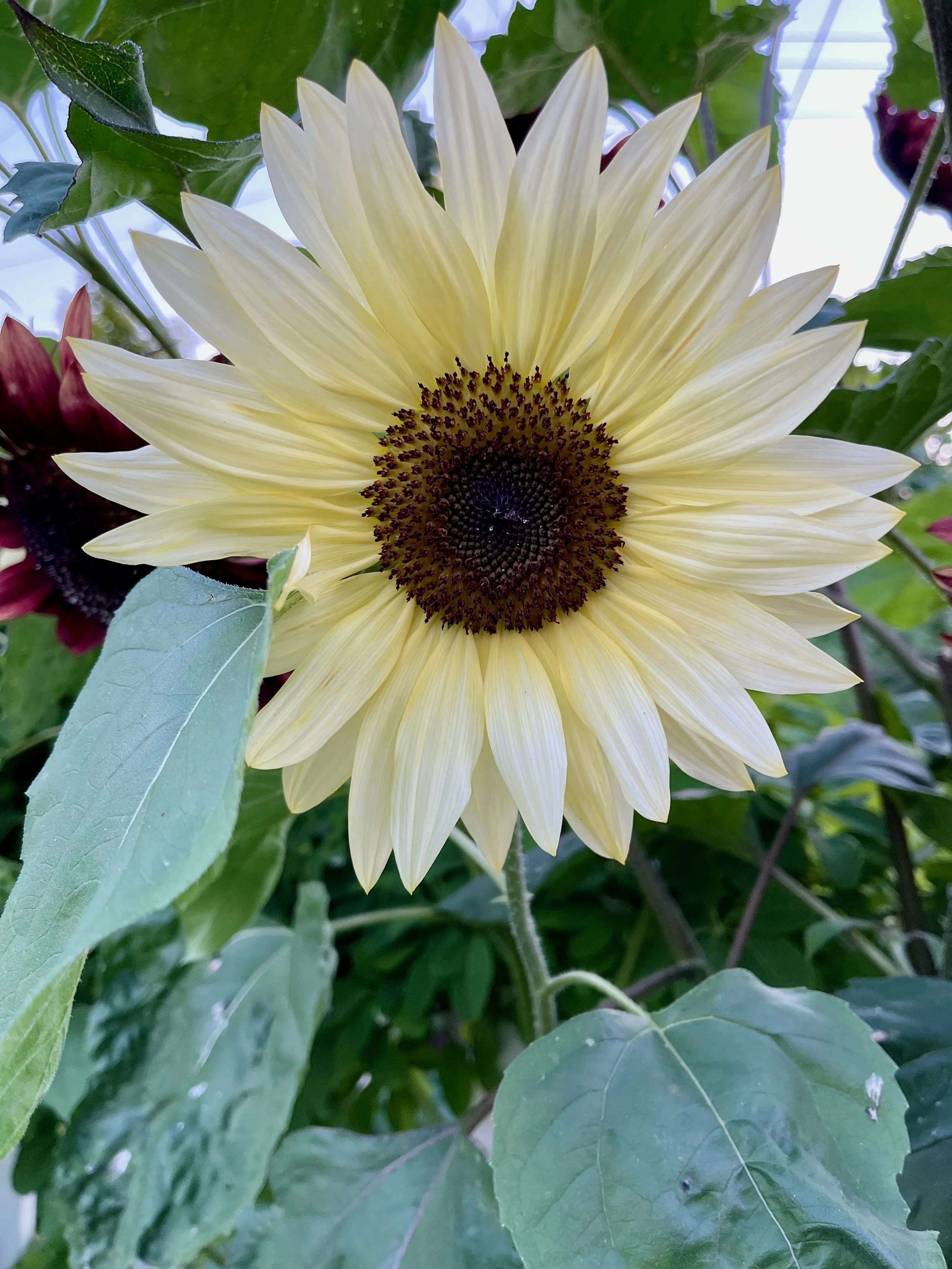
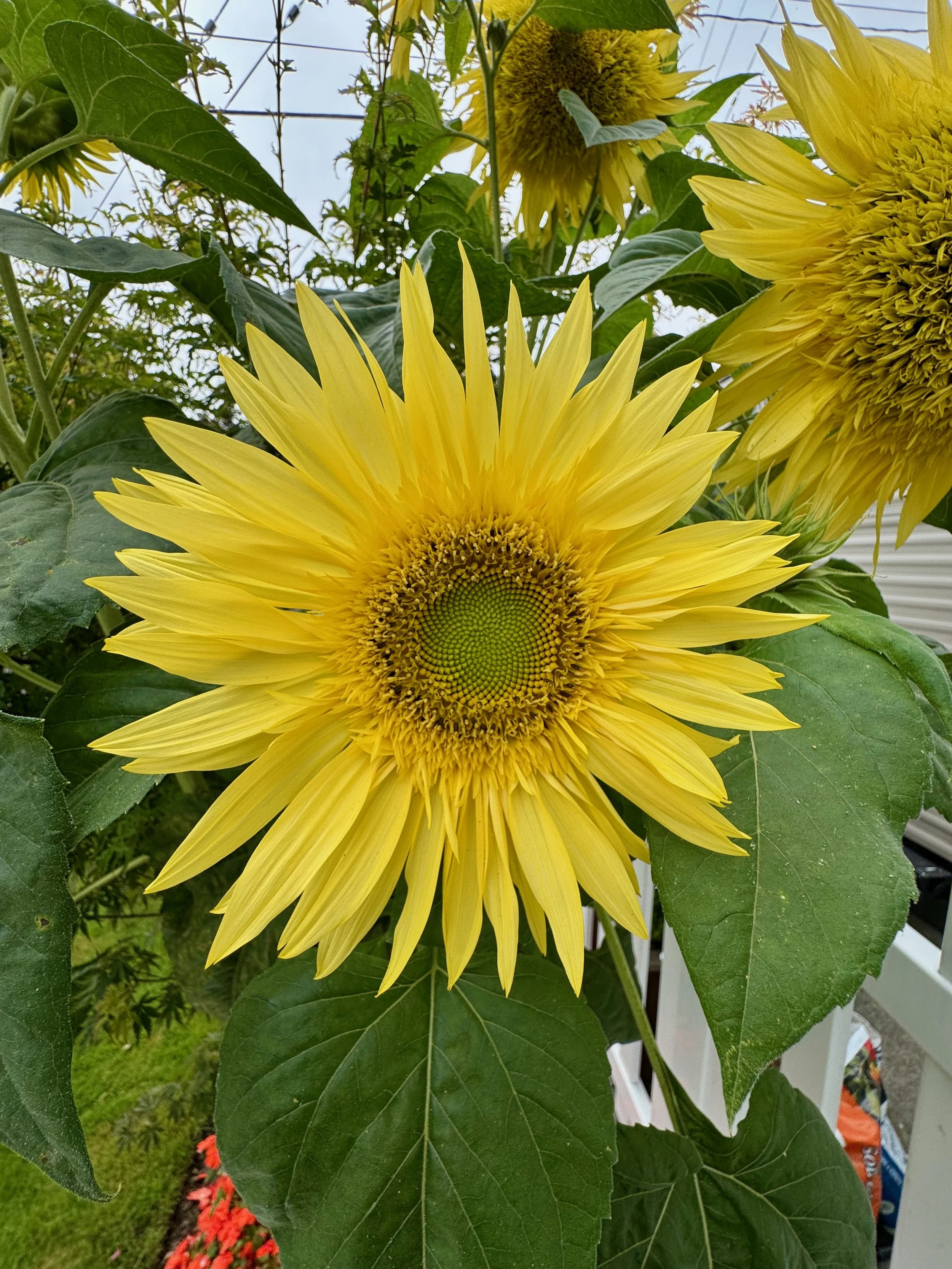
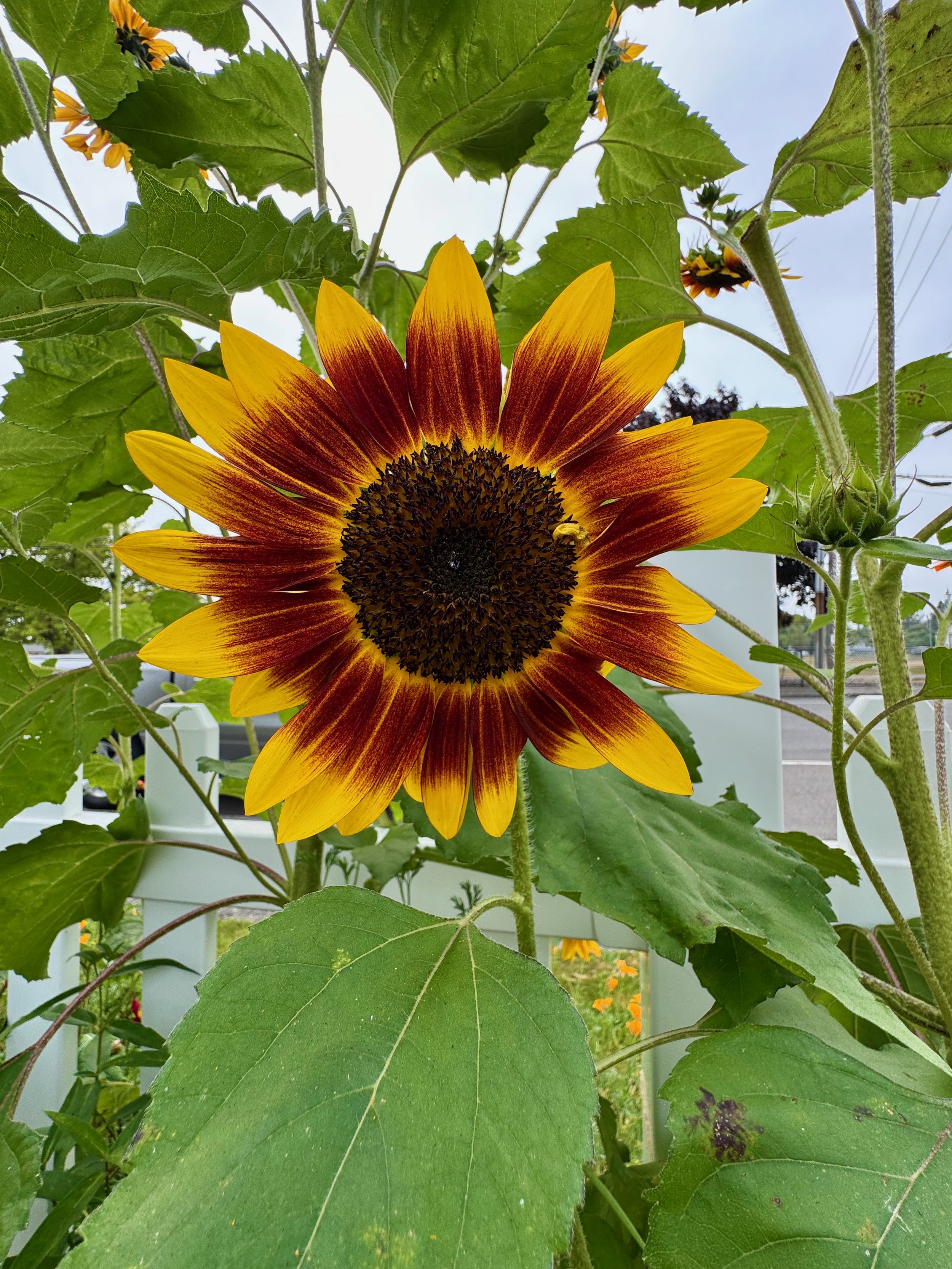
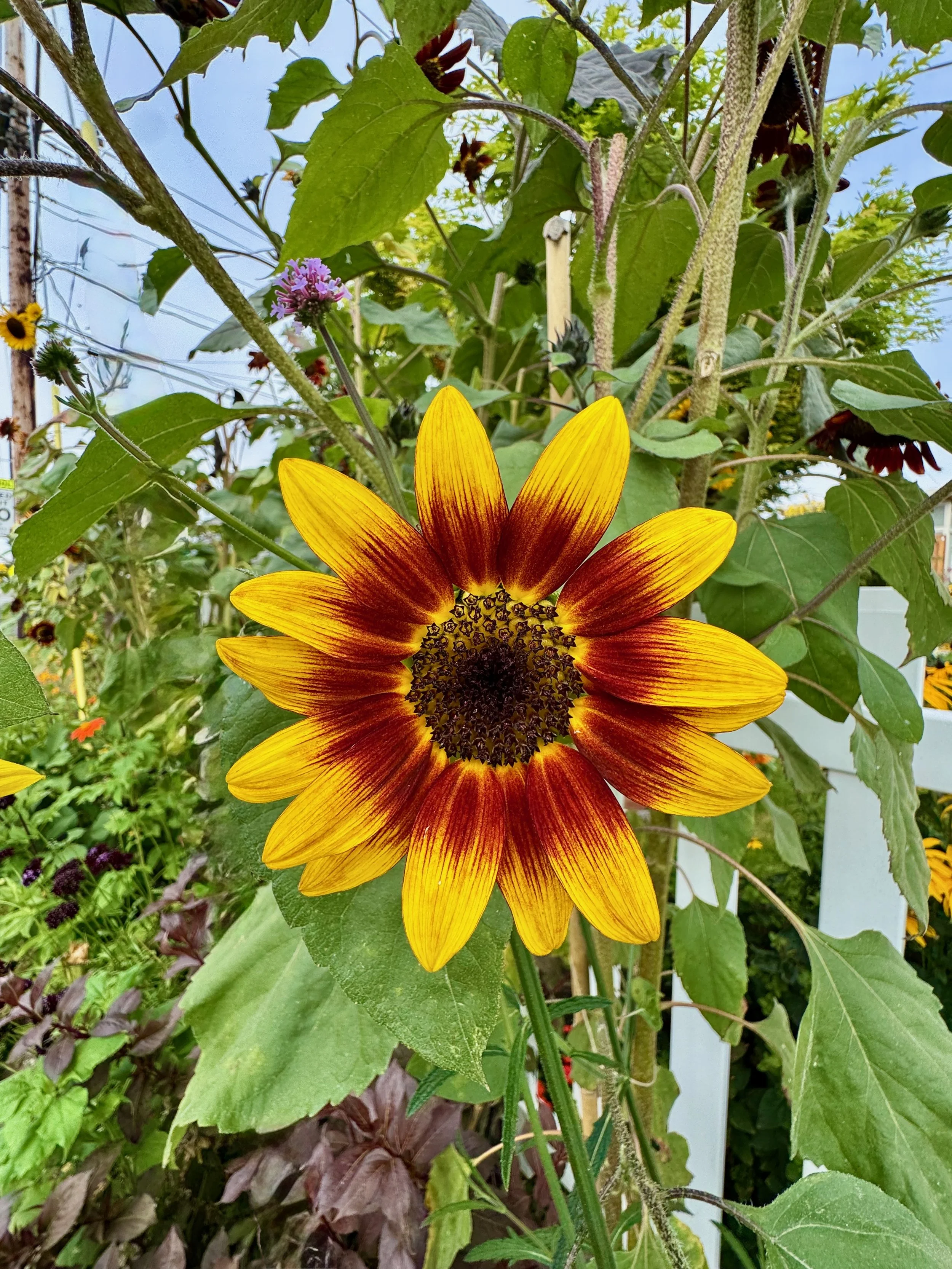
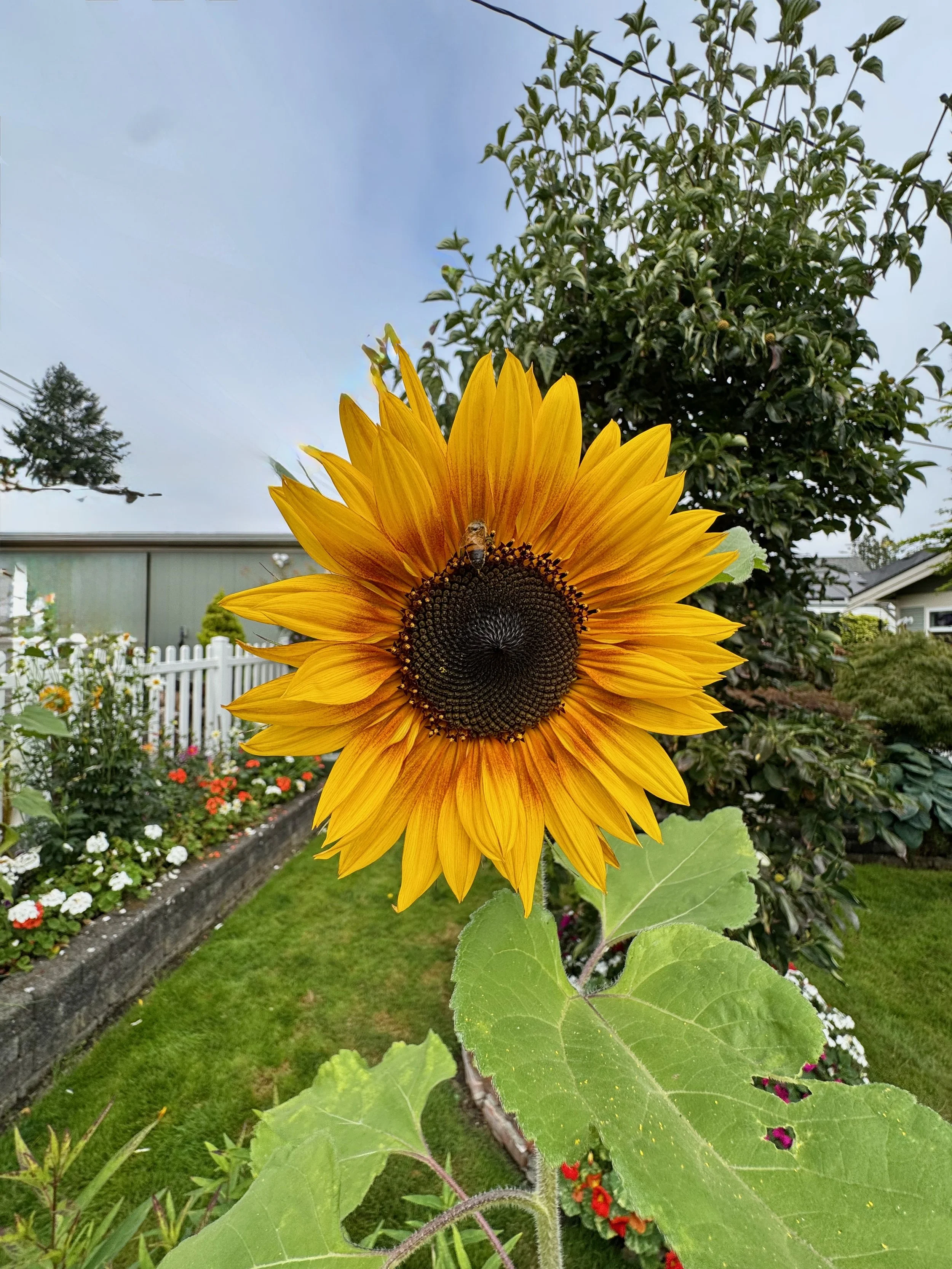
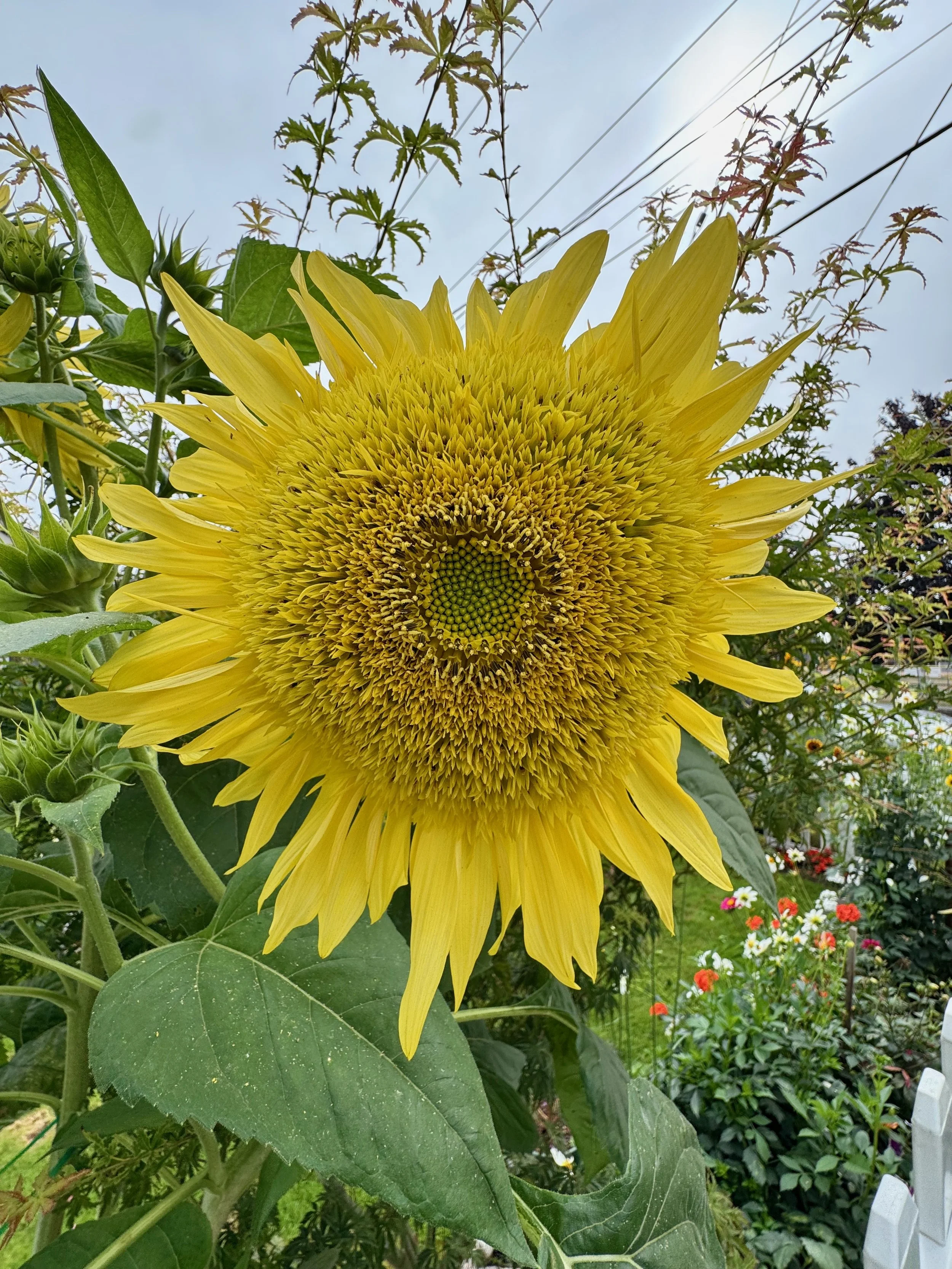
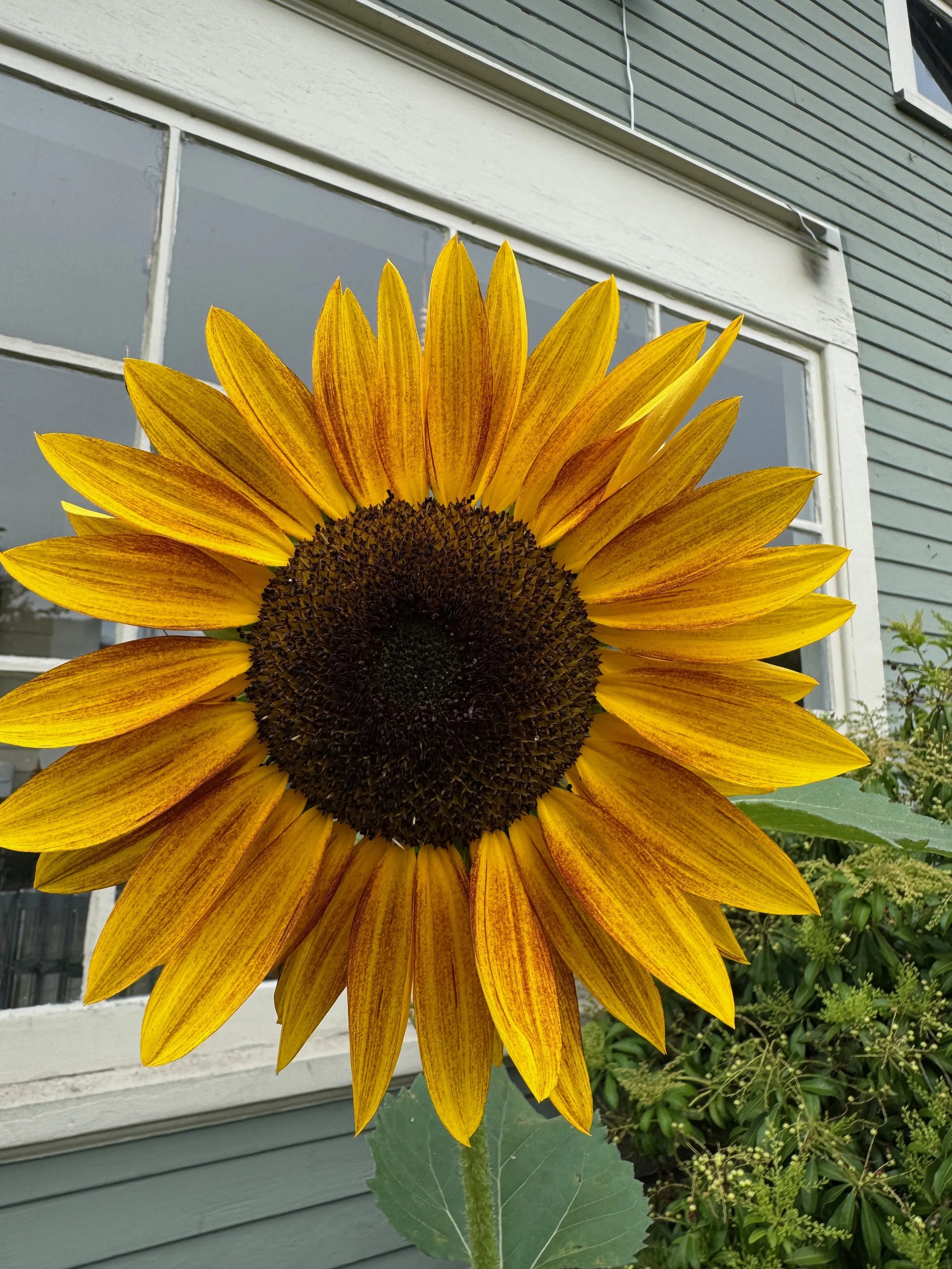
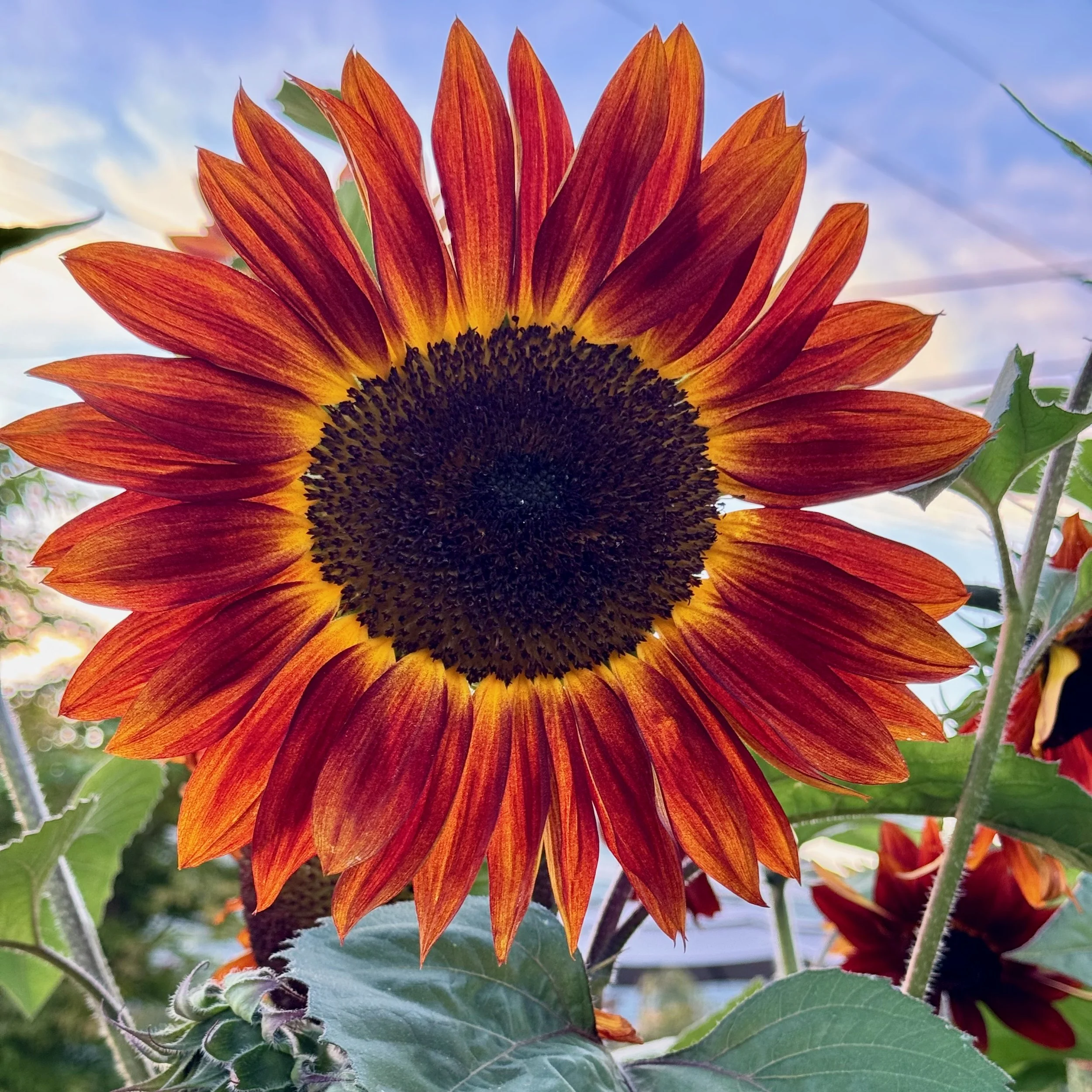
Every year, I start hundreds of sunflower seeds to bring color, height, and a little drama to the garden. Along both sides of the fence, I plant a mix of branching sunflower varieties that bloom throughout the summer, creating a vibrant backdrop filled with shades of yellow, gold, orange, and red. They not only add visual impact but also attract bees, butterflies, and other pollinators to the garden.
For how I grow hunderes of sunglowers each year, continue reading.
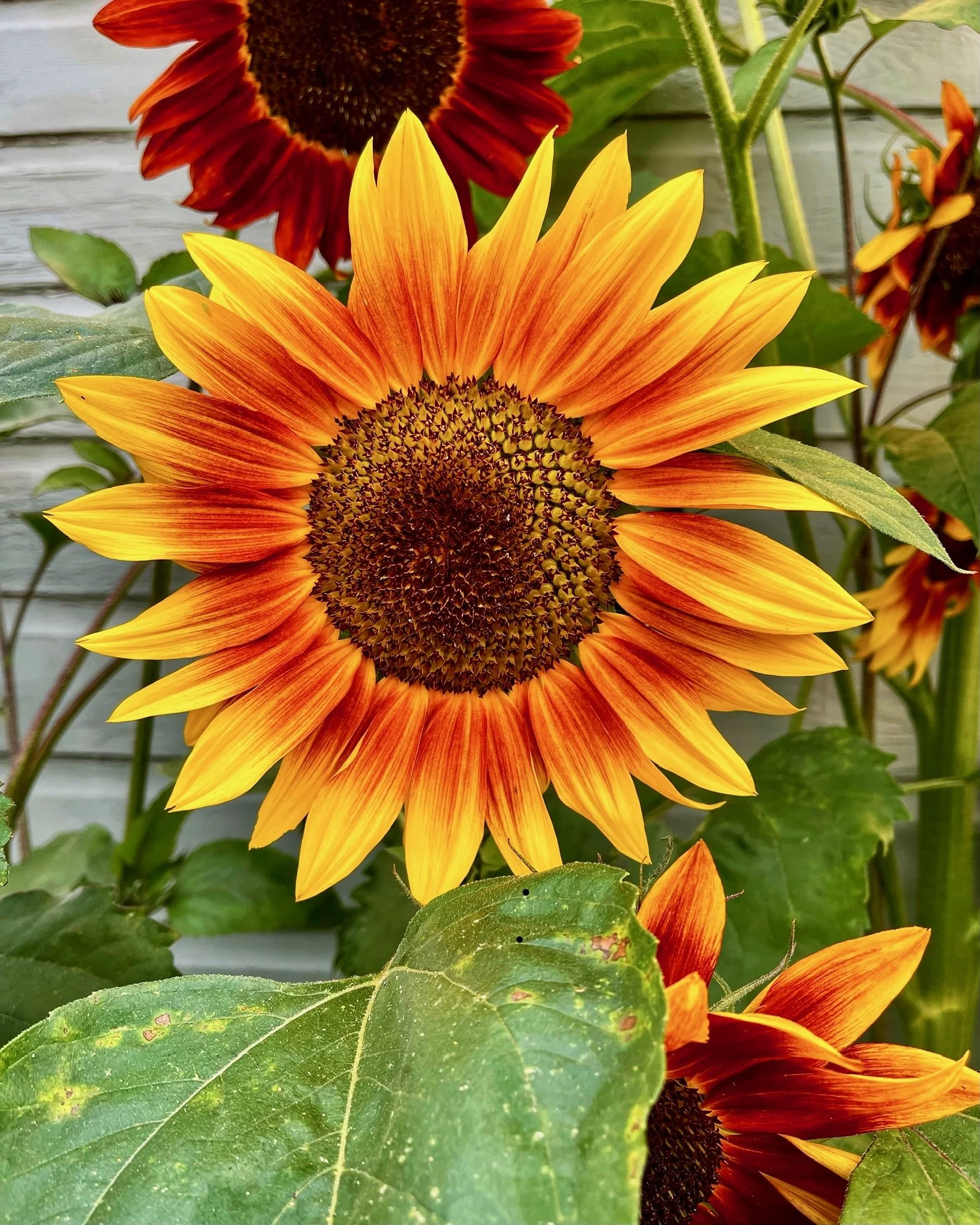
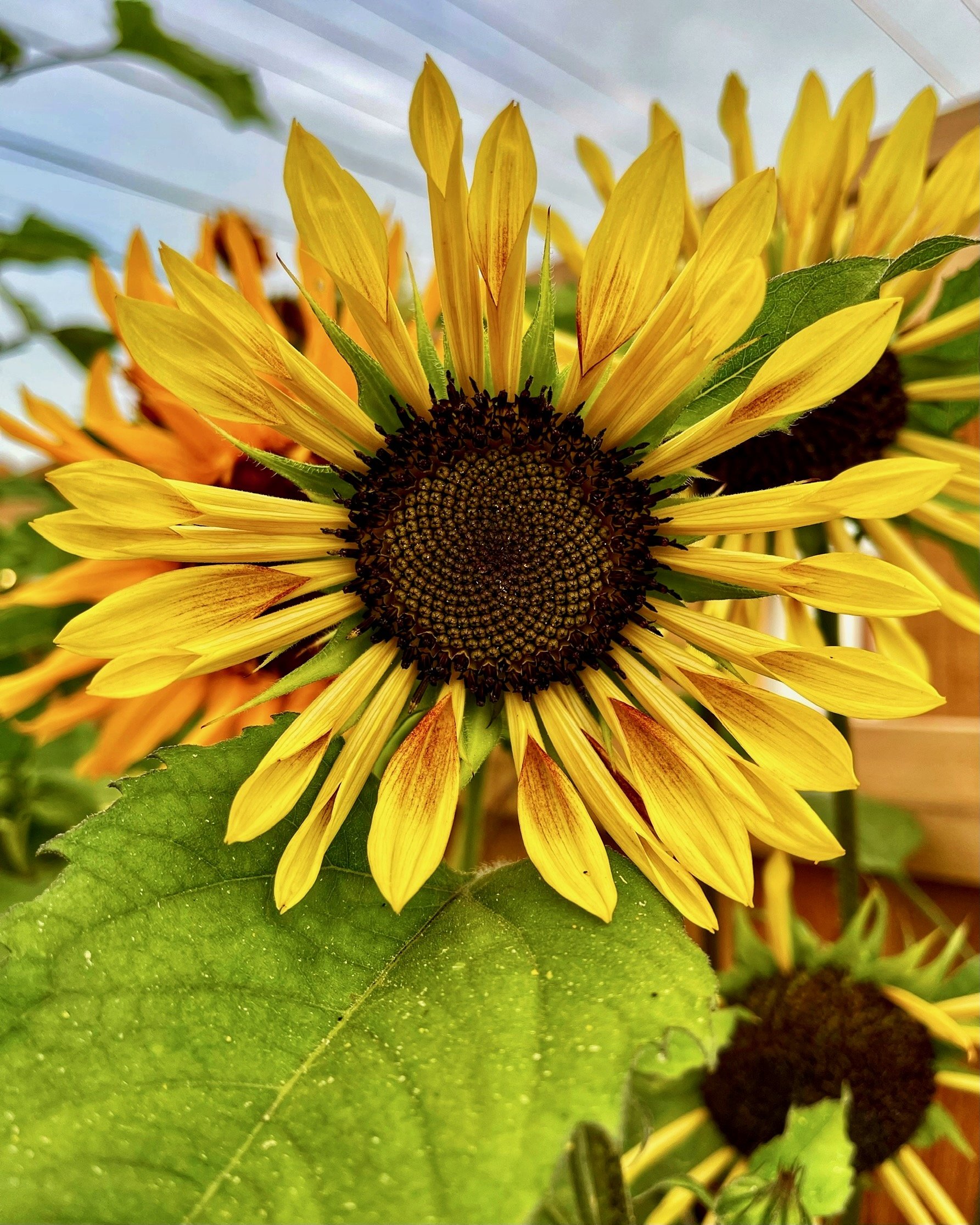
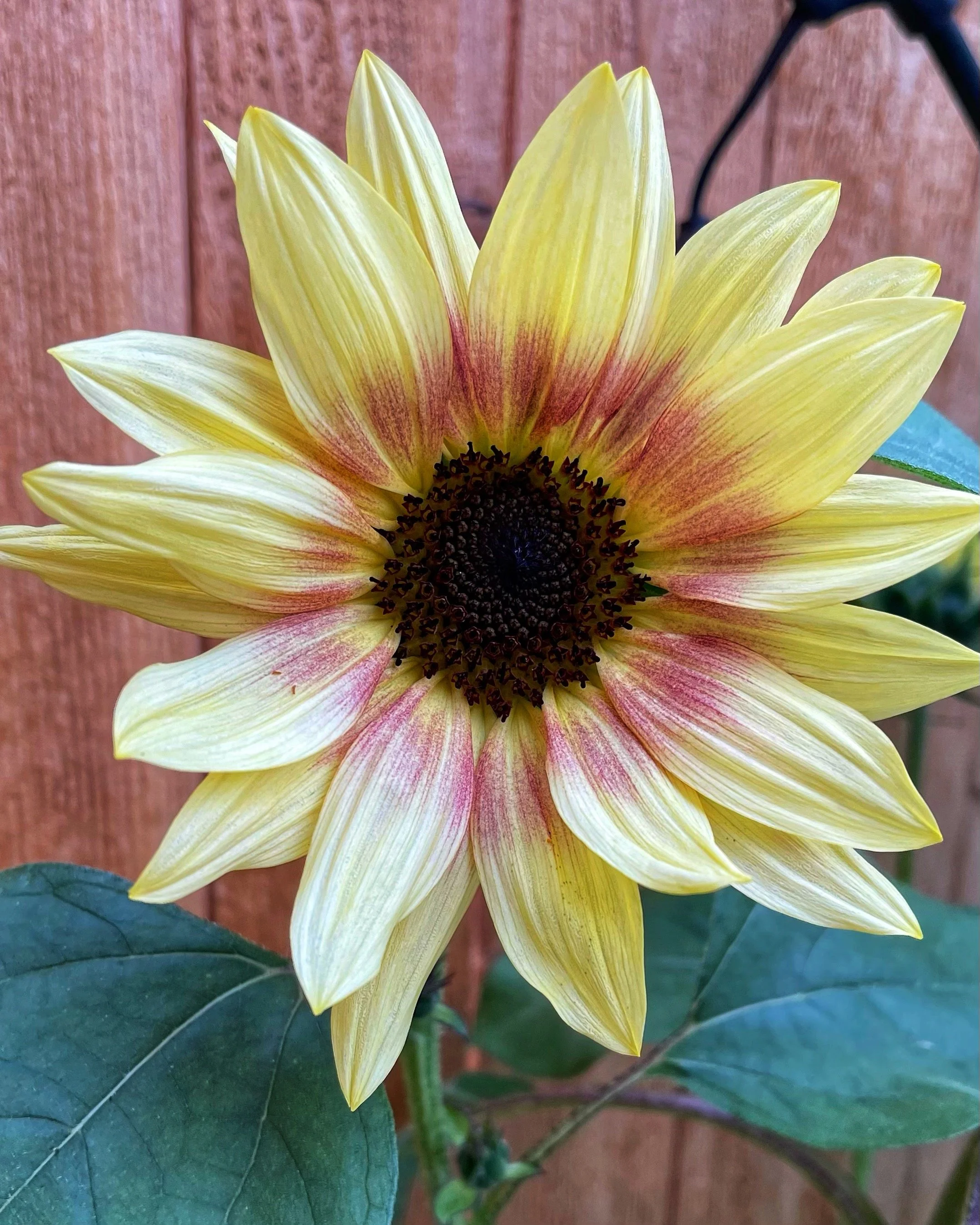
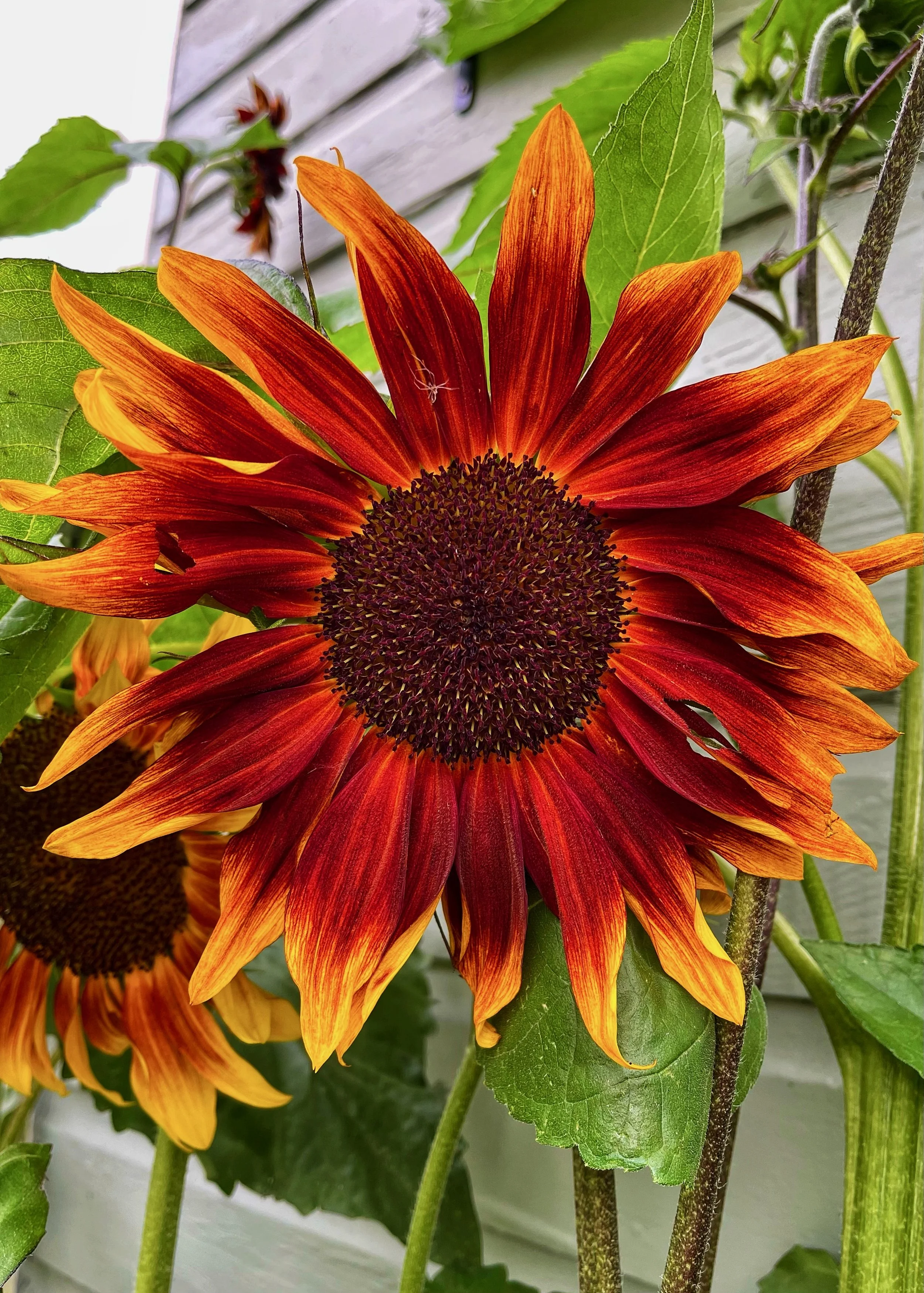
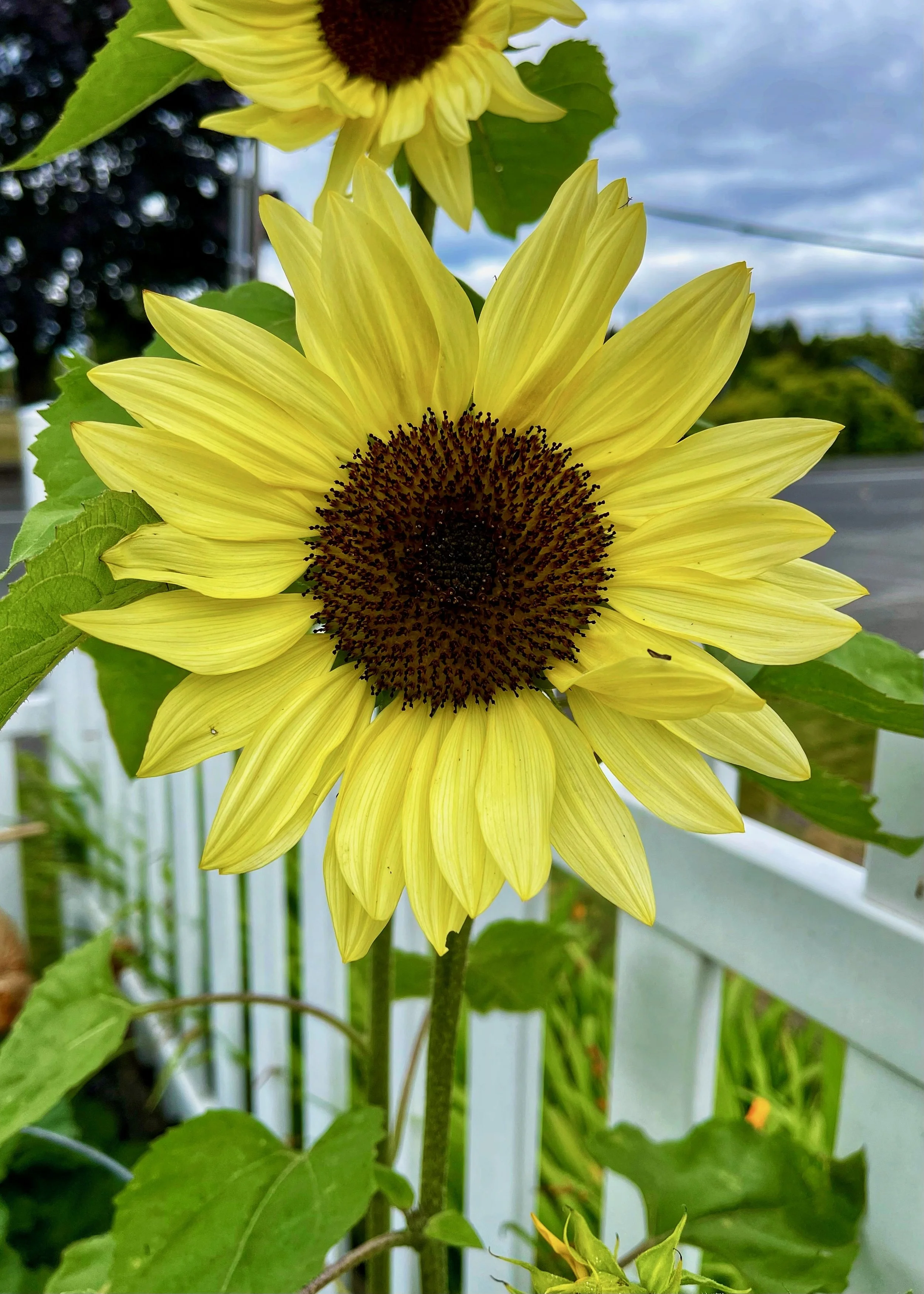
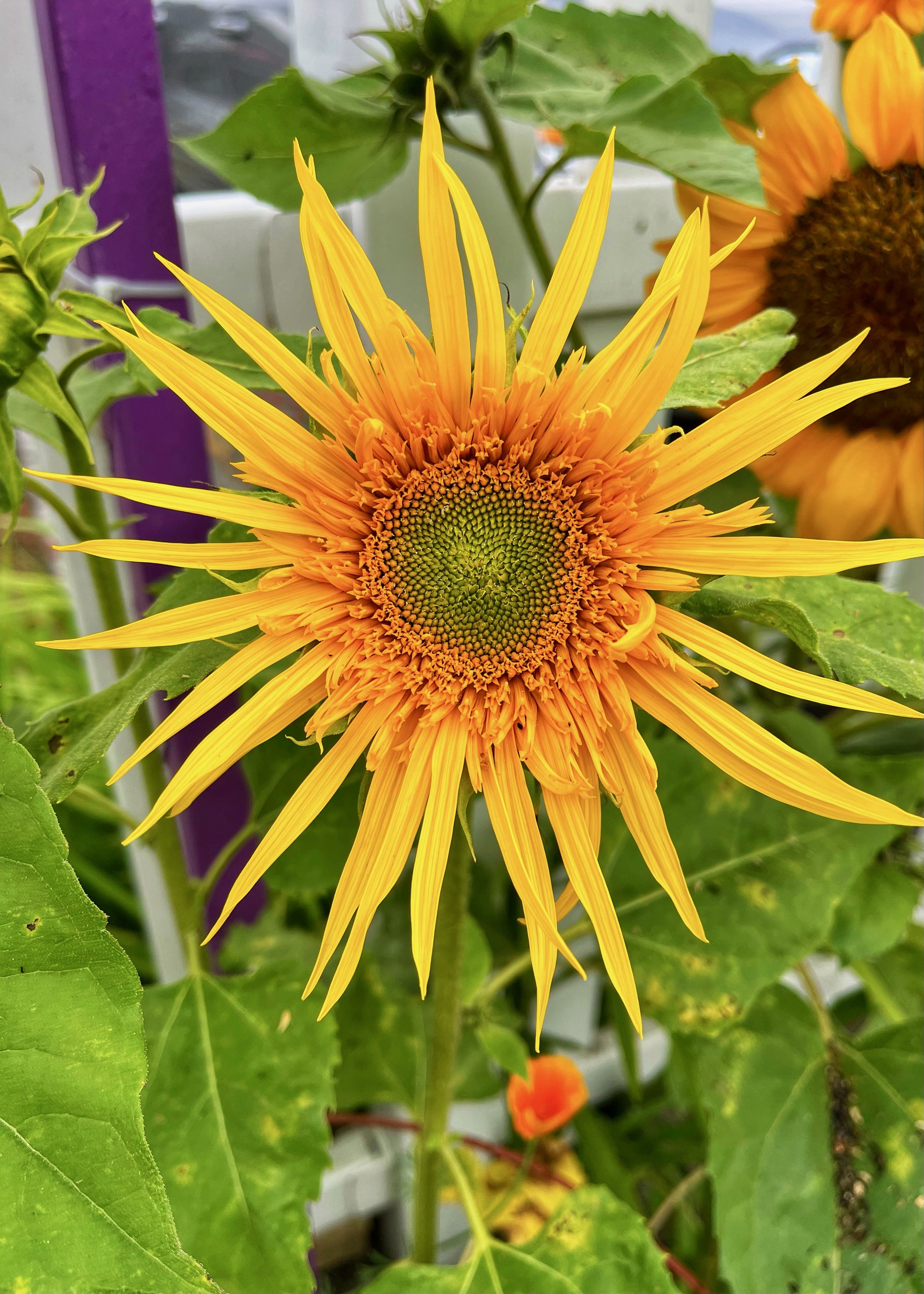
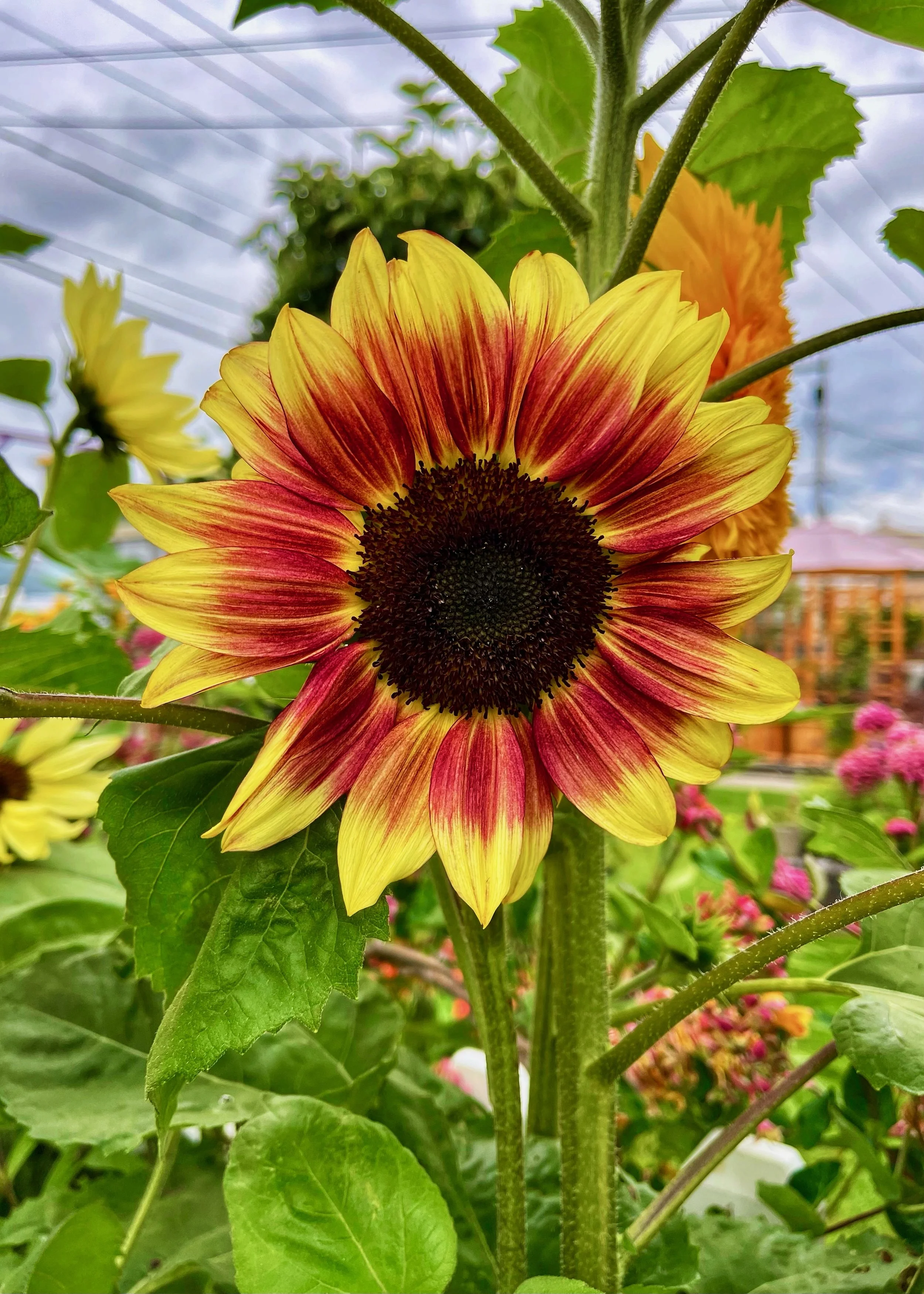
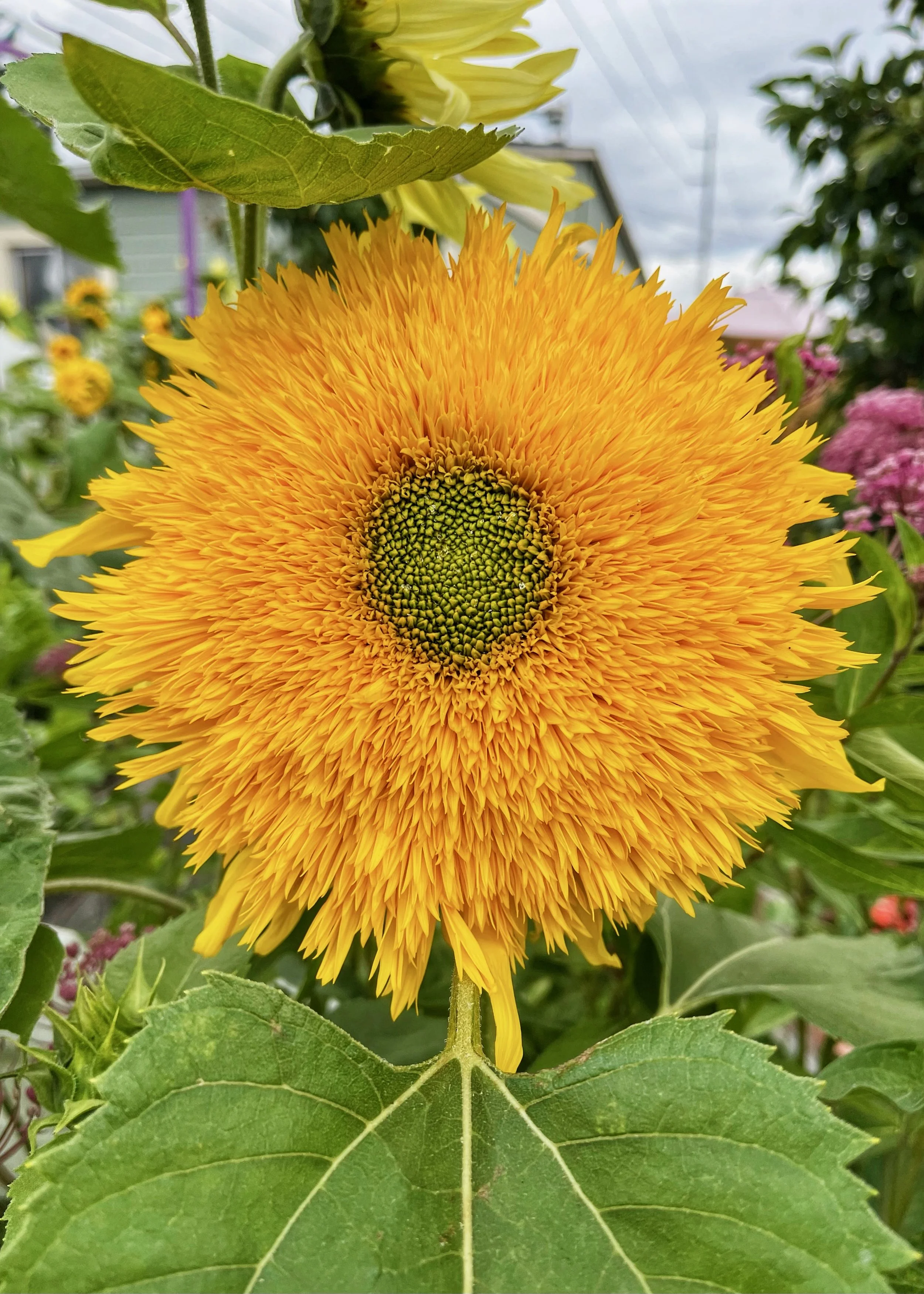
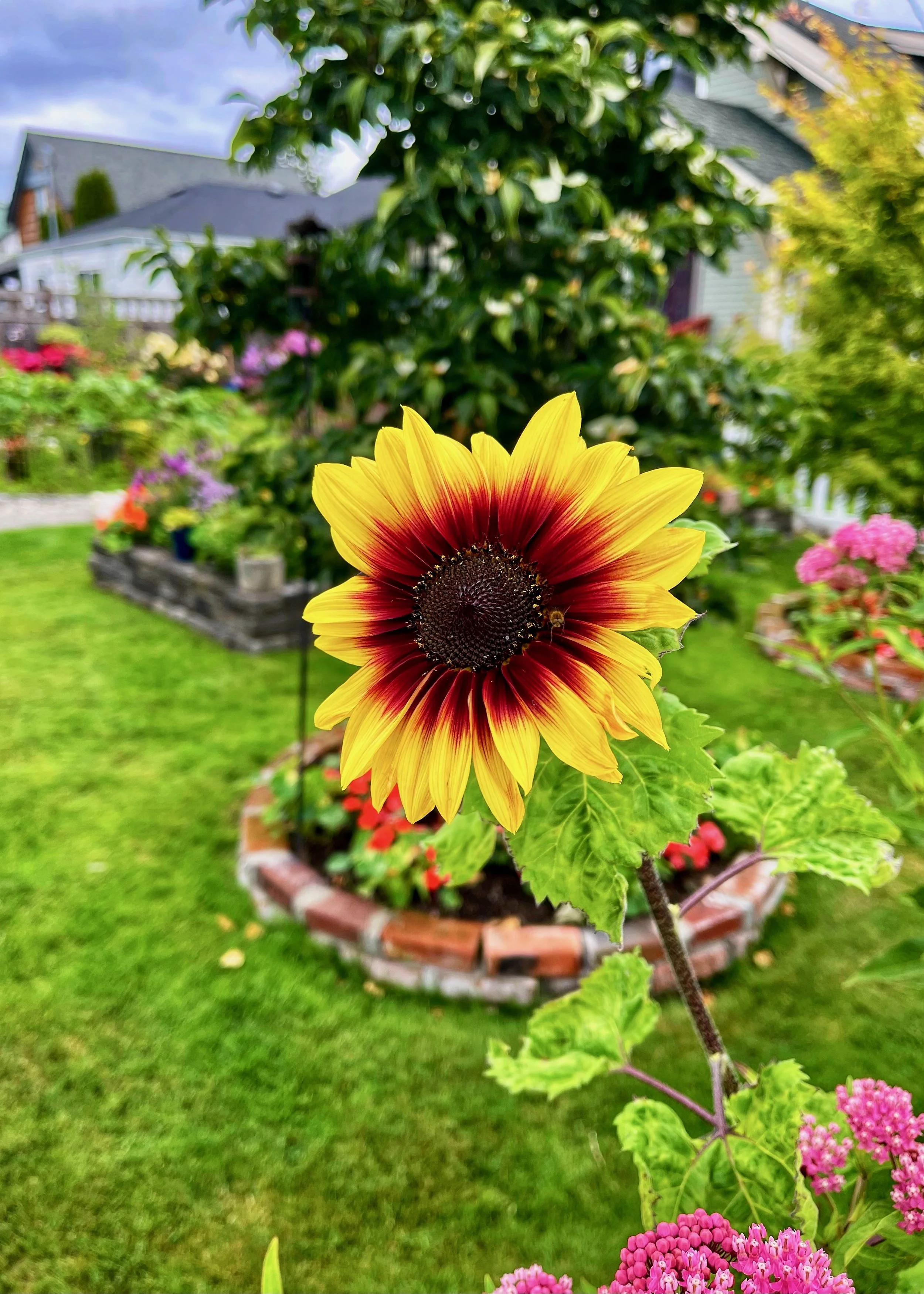
Living in the Pacific Northwest means dealing with cool, wet springs that can take their time warming up. Through years of growing sunflowers, I’ve found that starting seeds indoors gives them a much better head start.
I sow the seeds in 2-inch square plastic pots, planting two seeds per container to ensure at least one germinates. The pots are placed in trays on a heat mat, and germination is usually quick—often within just 3 to 5 days.
Once the seedlings have emerged, I move them outdoors during the day to a shaded location and bring them back inside at night. At this point, the heat mat is no longer needed. When the first true leaves appear, I gradually introduce the seedlings to more sunlight to harden them off.
Sunflowers grow incredibly fast, and within 15 to 18 days they are typically ready to be planted in the garden. I don’t use any fertilizer at this stage—just keep the soil evenly moist after planting, and they’ll be off to a strong start.
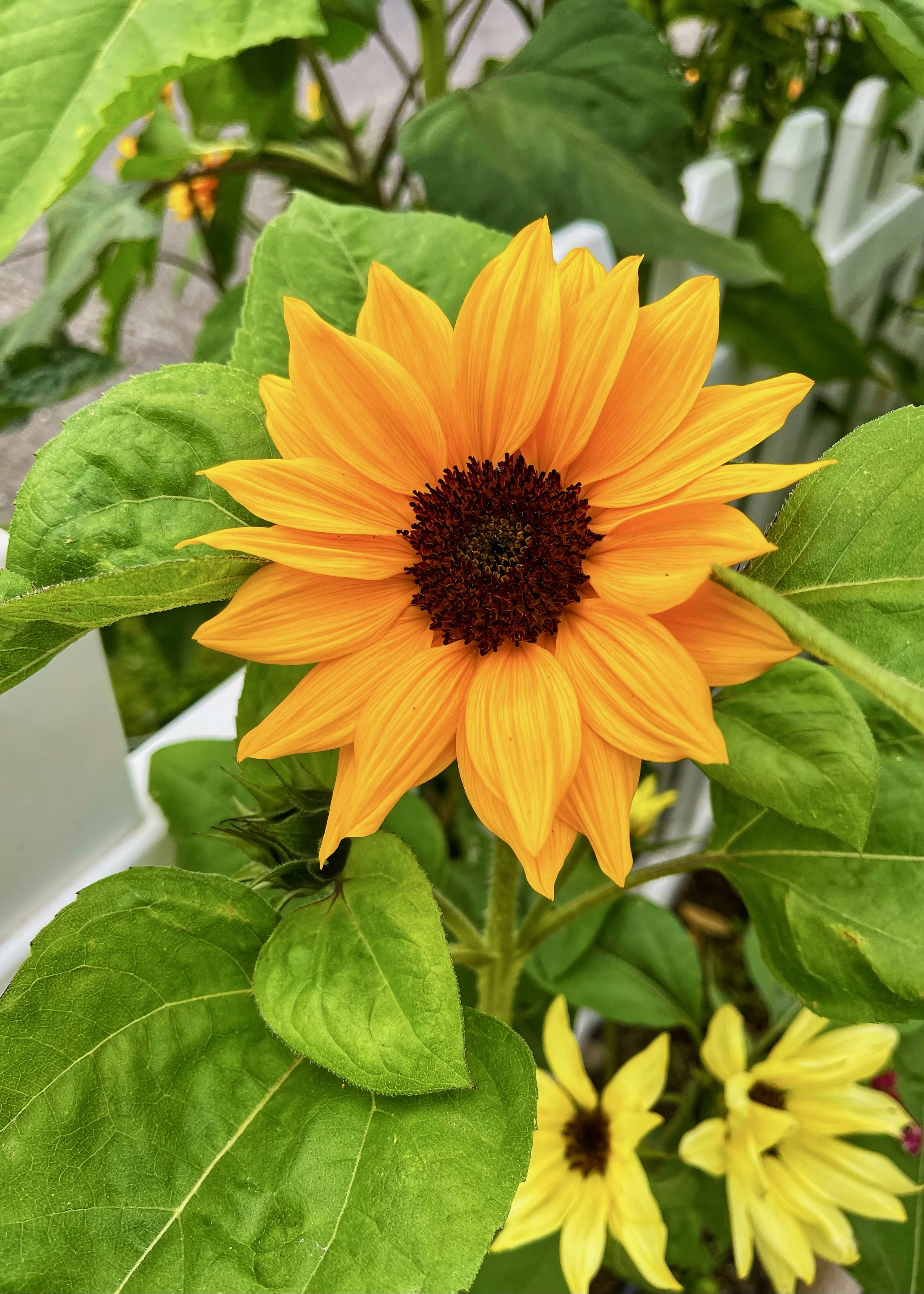
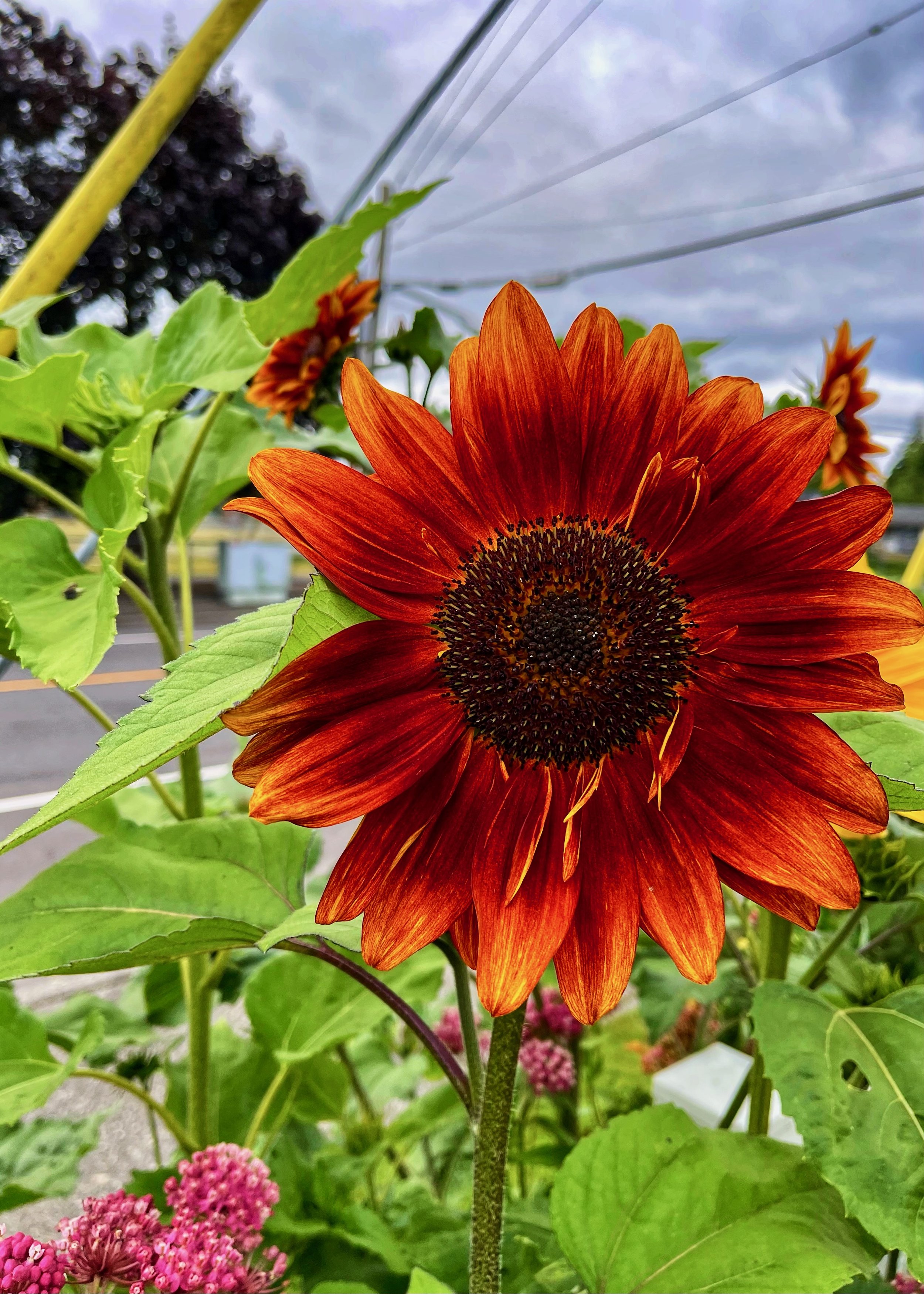
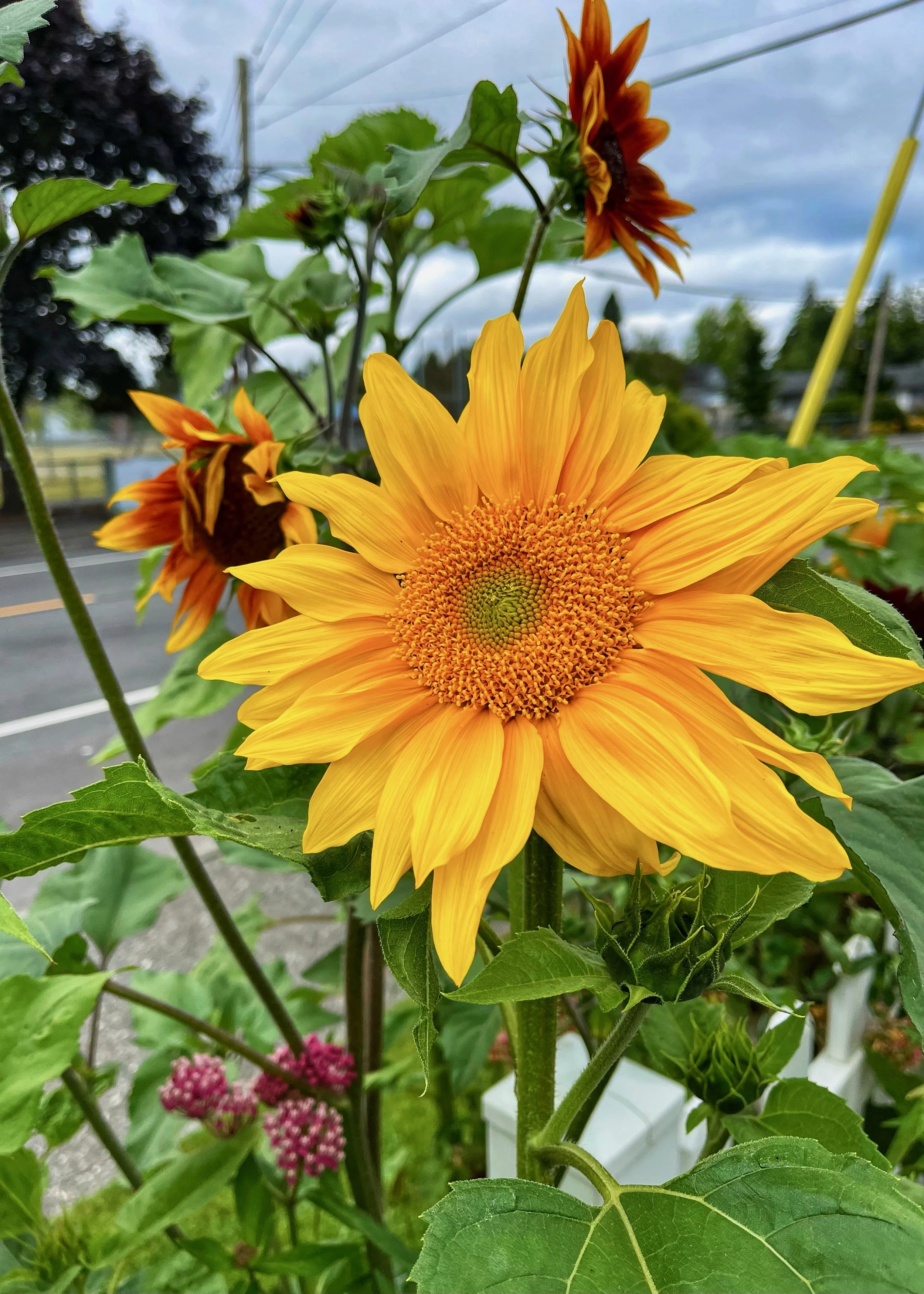
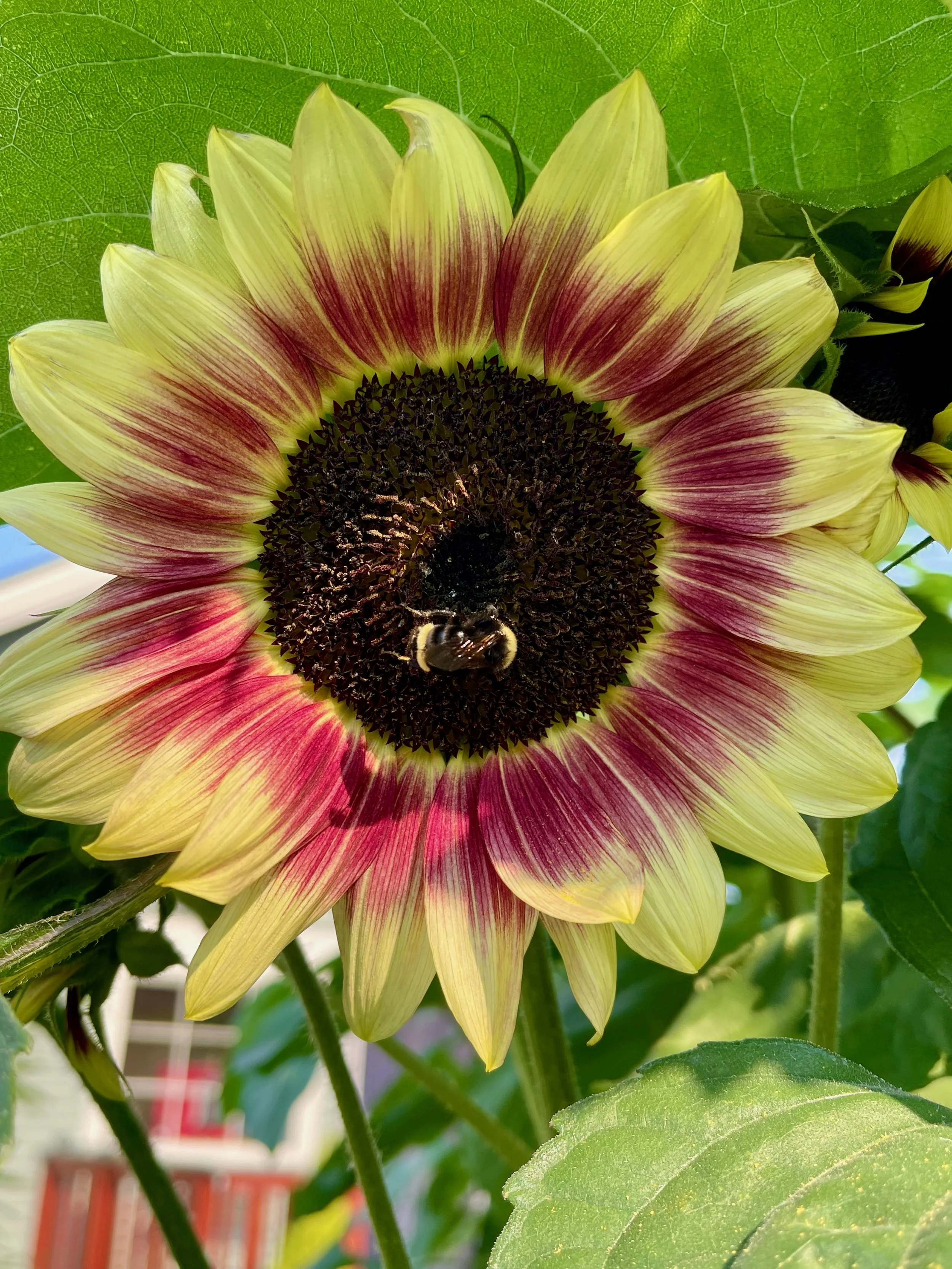
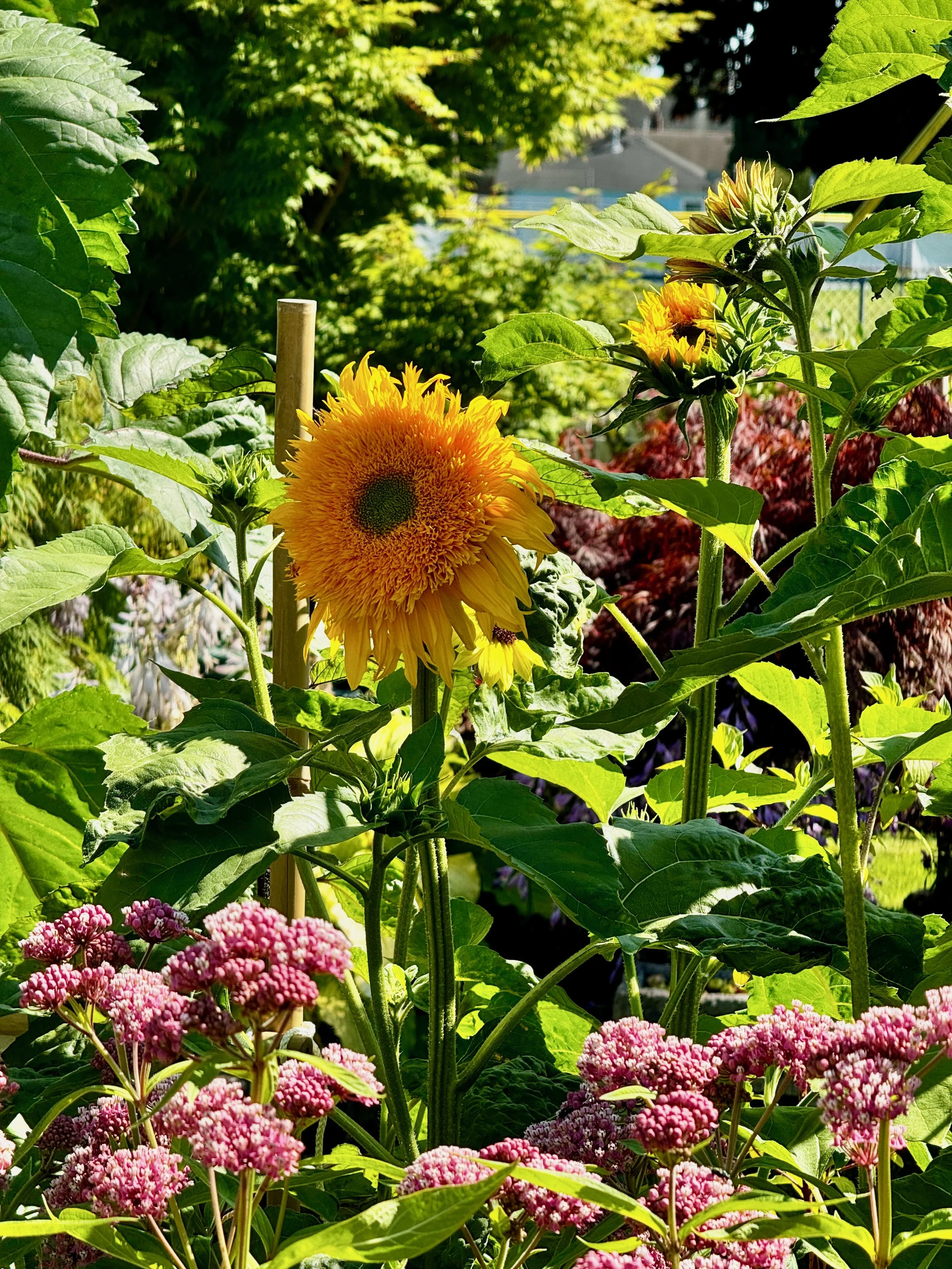
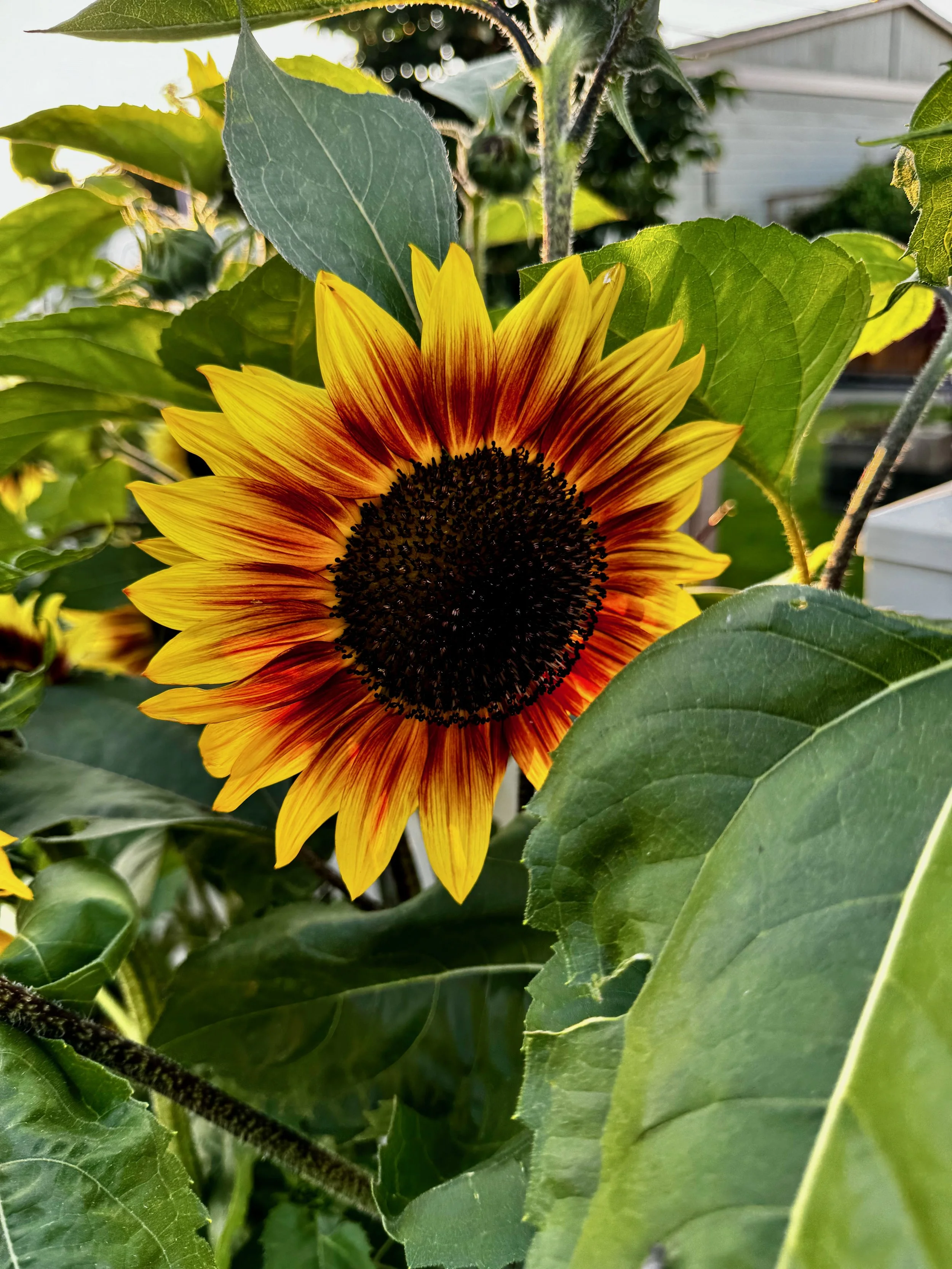
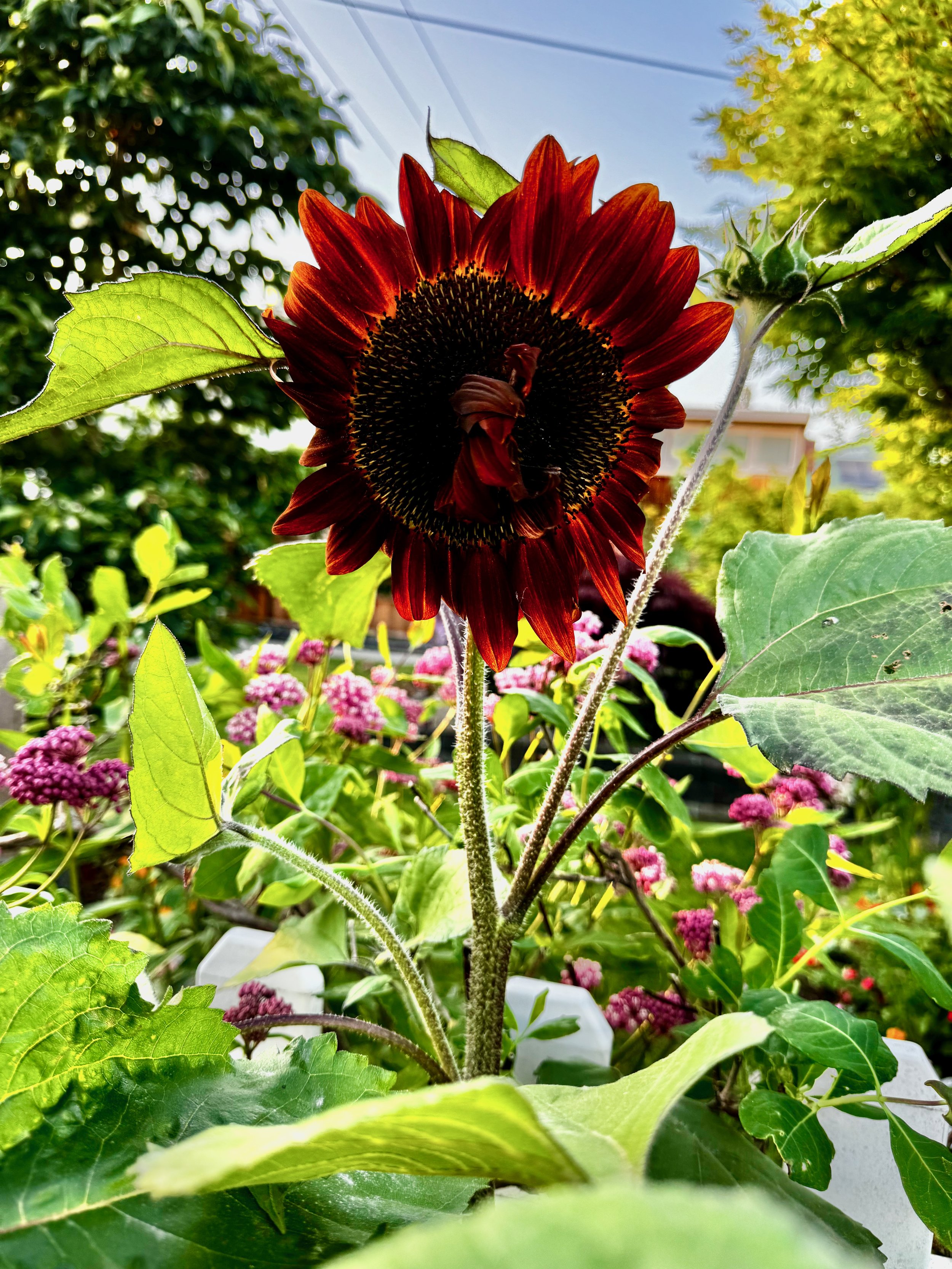
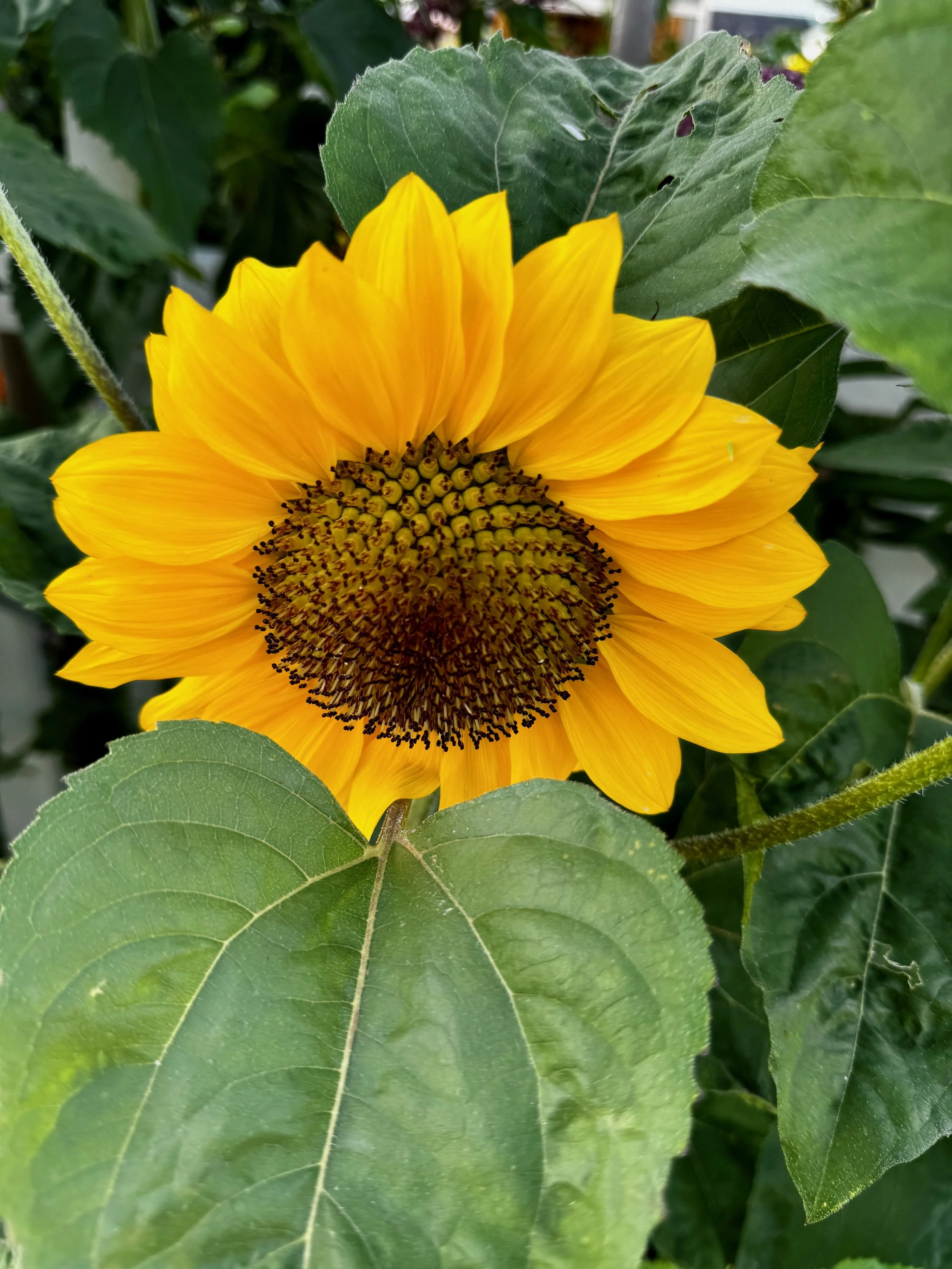
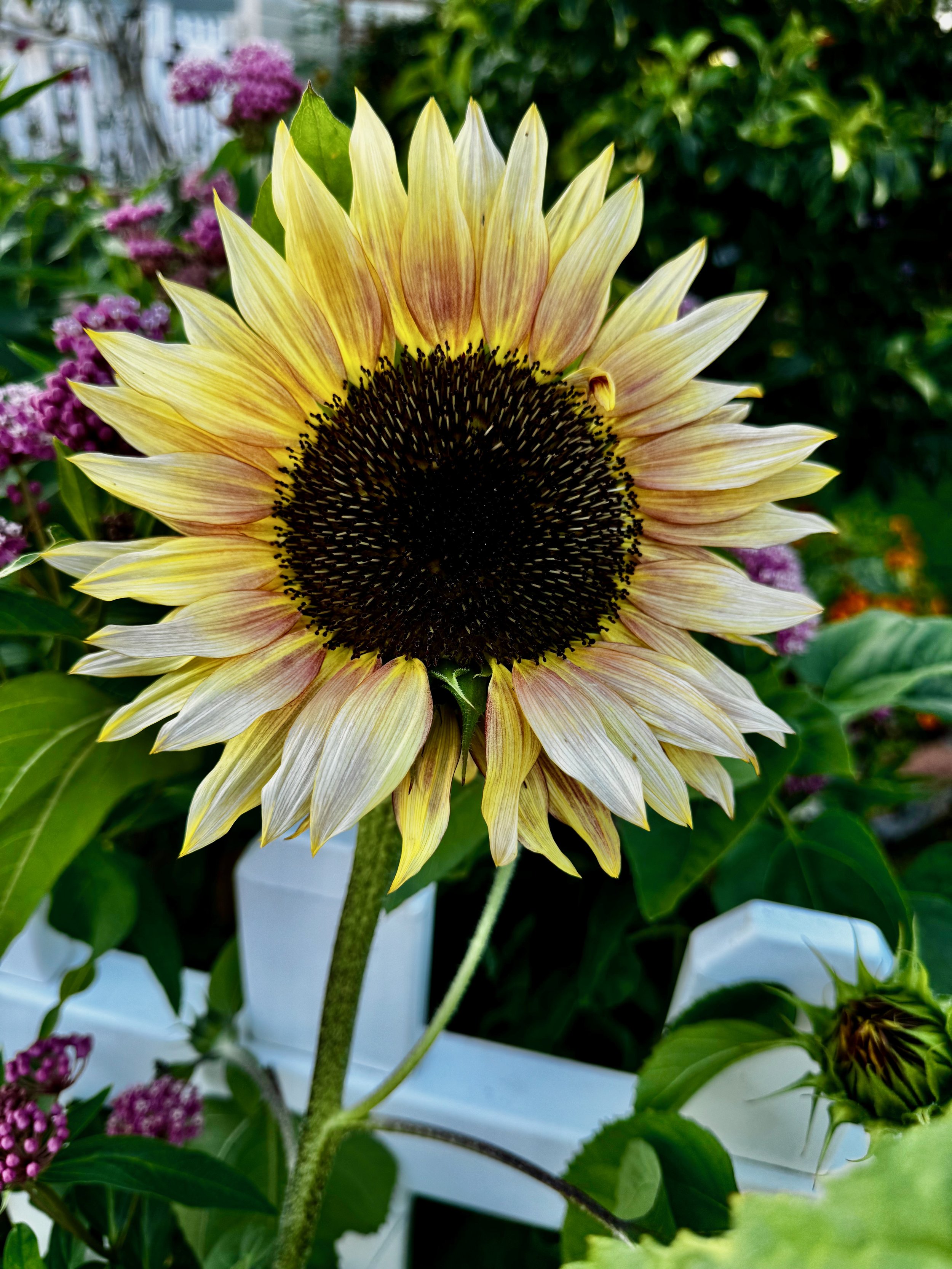
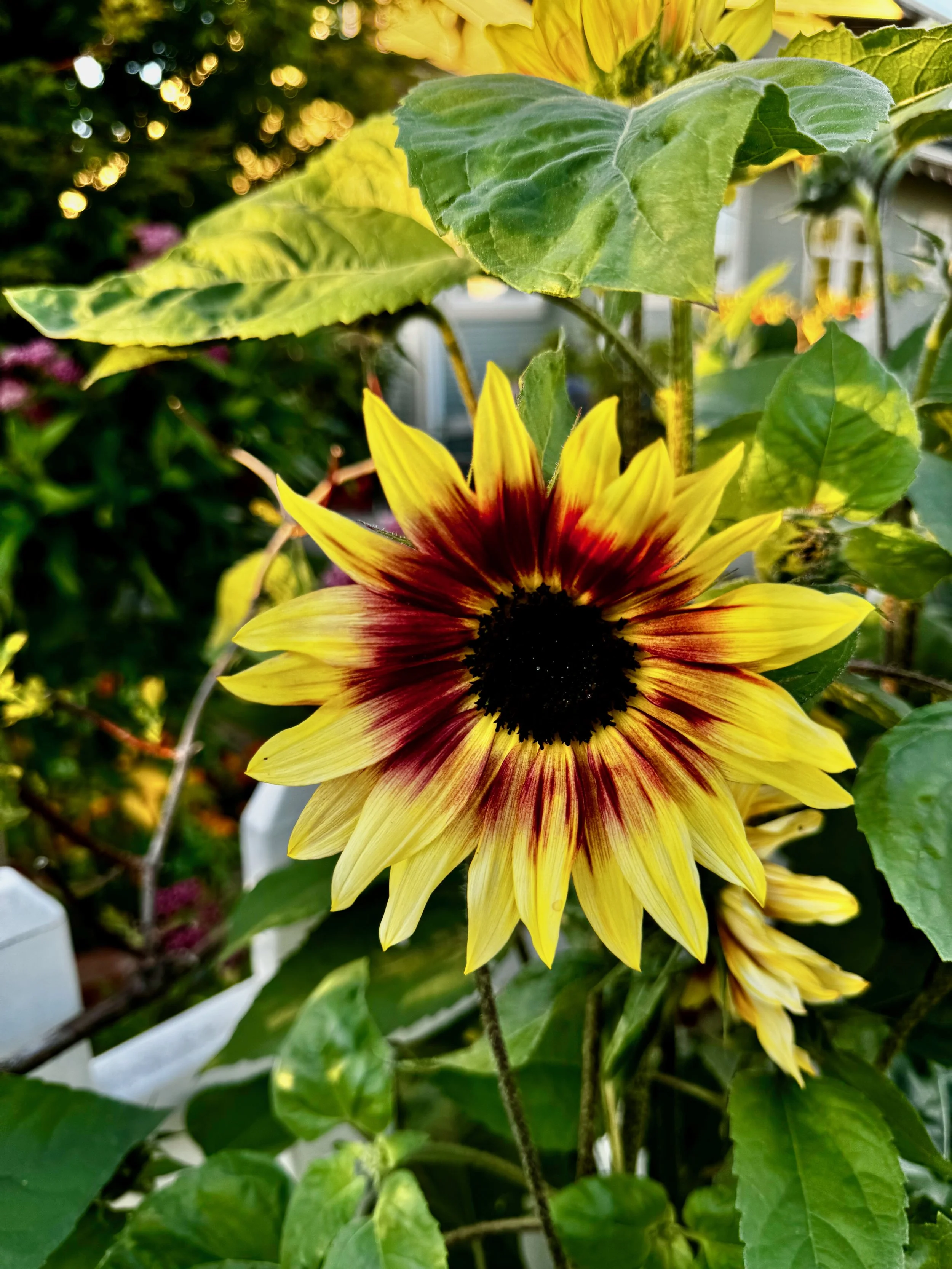
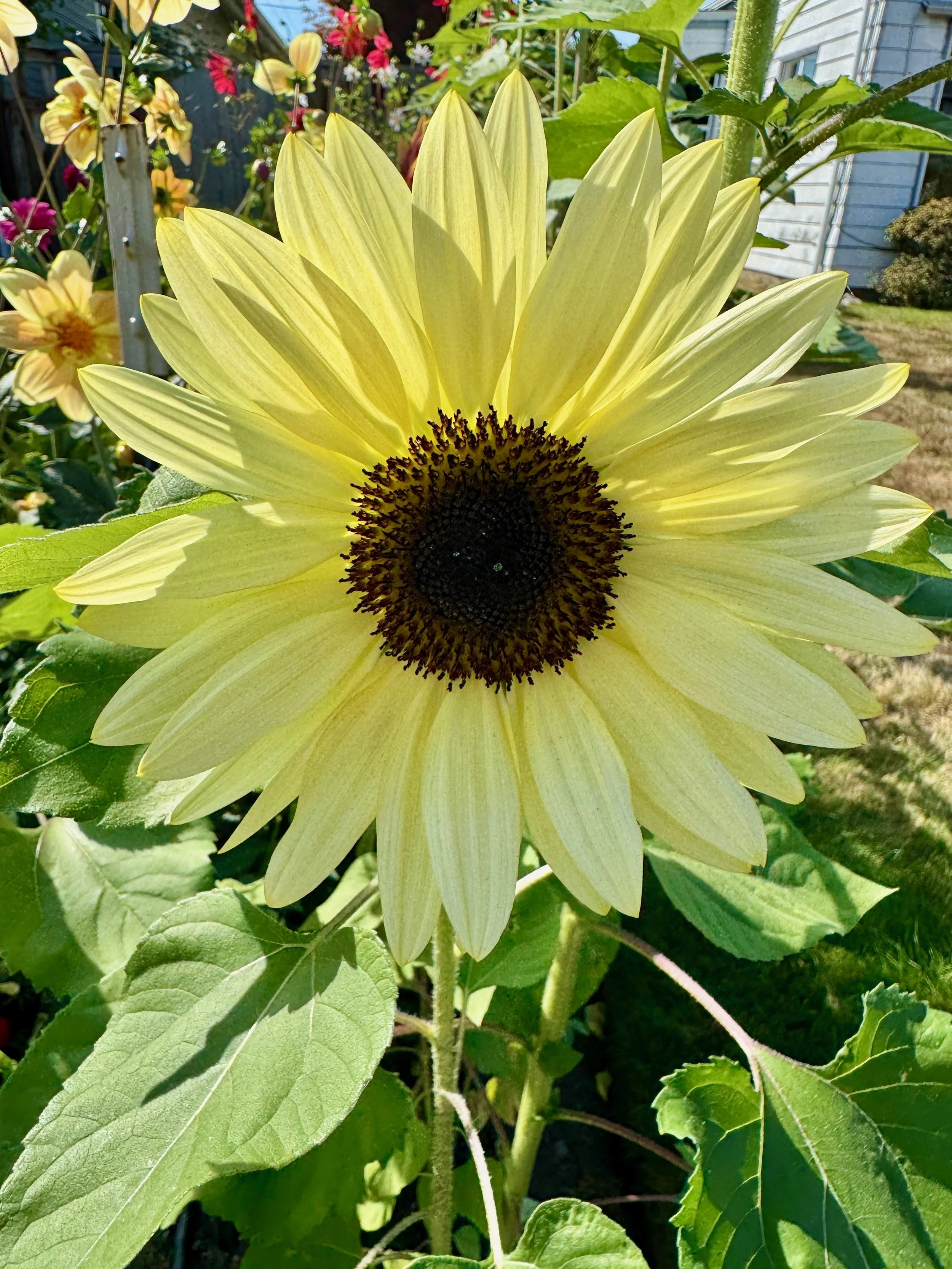
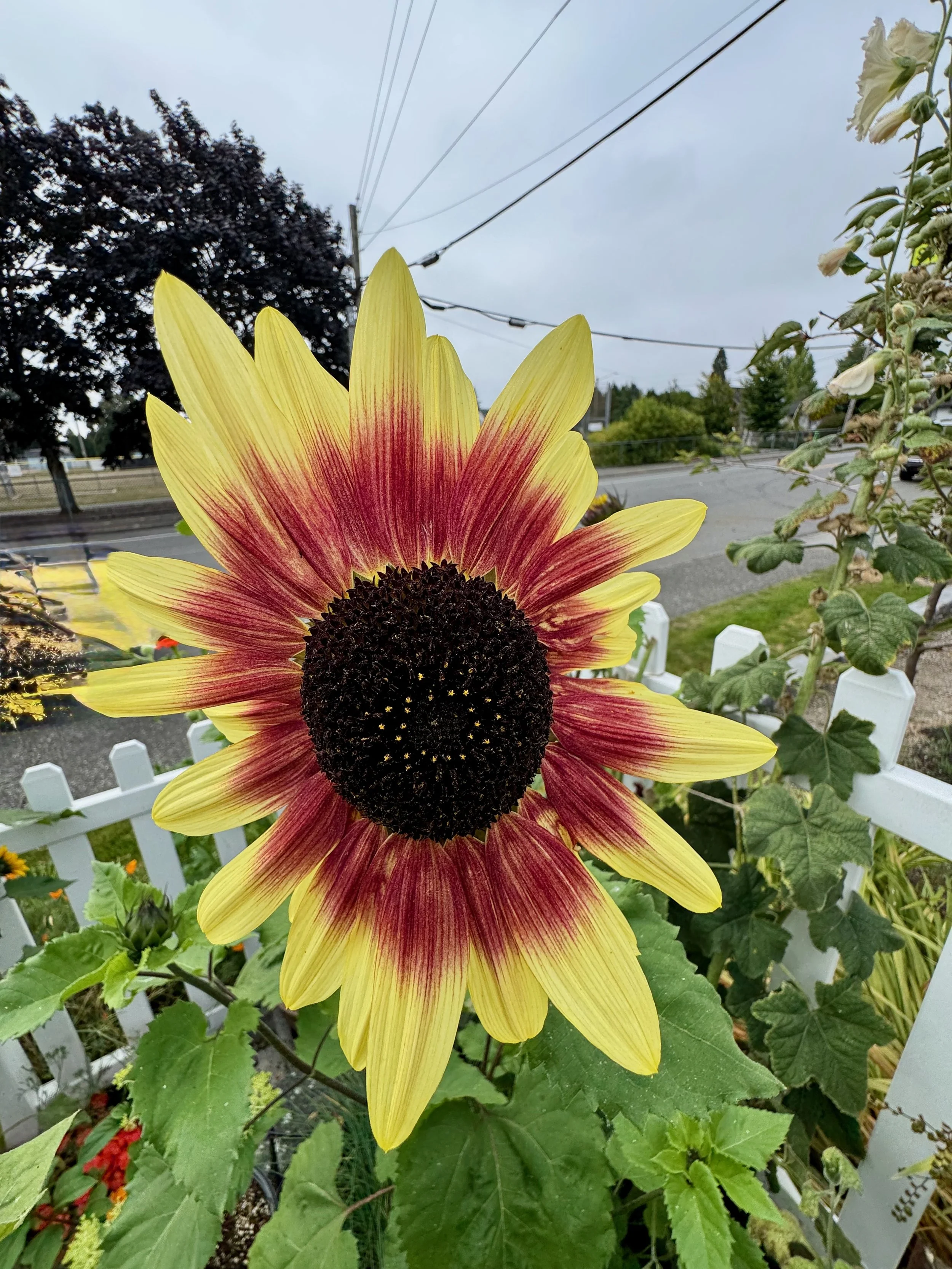
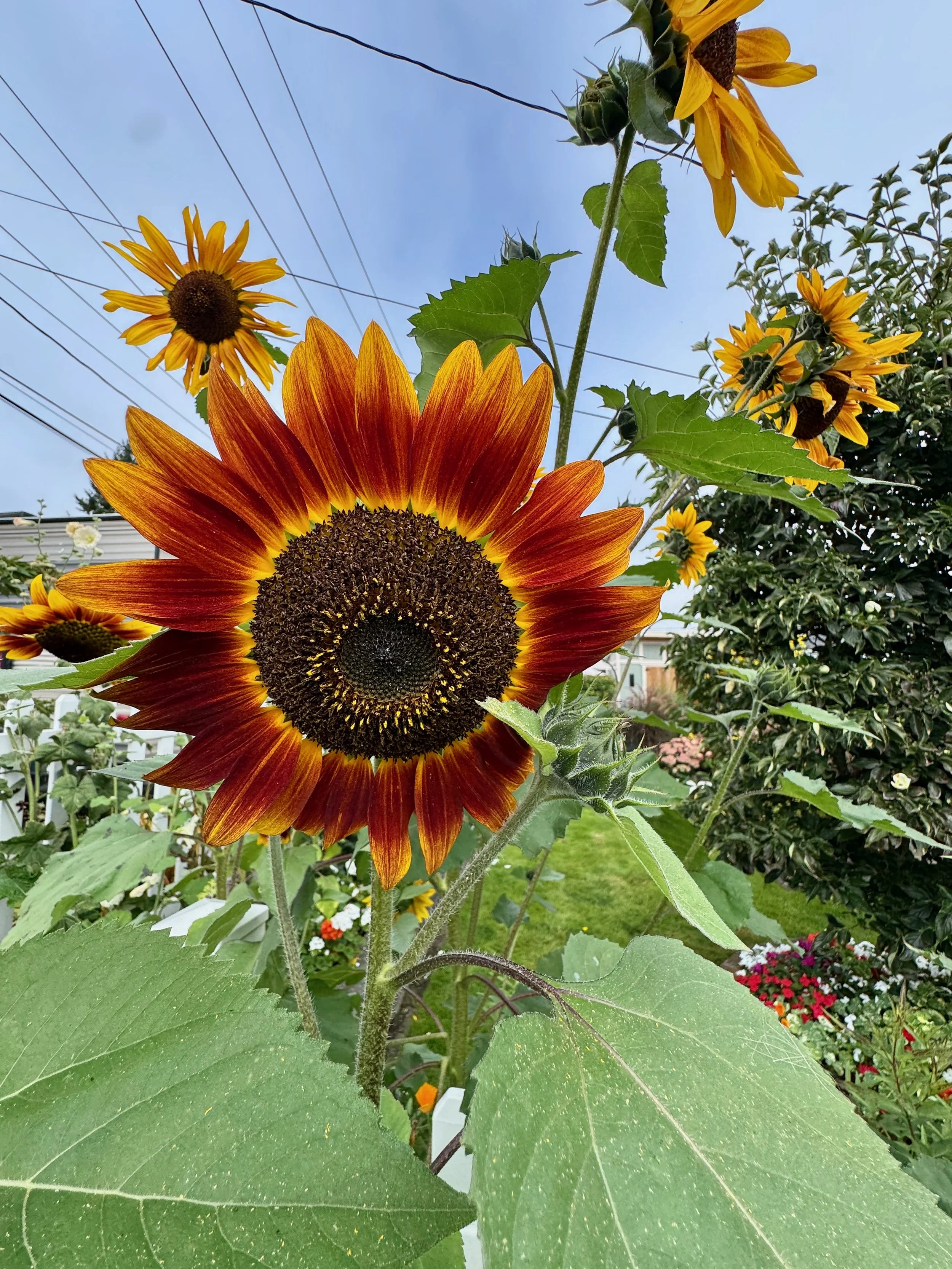
Thanks to years of plant breeding, sunflowers are available in an amazing range of colors, from creamy whites and soft yellows to vibrant oranges, deep reds, and rich burgundy shades. However, there are still a few colors you won’t find naturally in sunflowers, including true blue, purple, violet, pink, lavender, and true black.
Many seed companies offer both color mixes and specific color selections, making it easy to create exactly the look you want in the garden. Sunflowers also come in two basic growth habits: single-flowering and branching varieties.
Single-flowering sunflowers produce one large bloom per plant. The ProCut® series is a great example, offering an excellent selection of colors and sizes. These varieties are popular for cutting gardens because they produce a single, uniform flower on each stem.
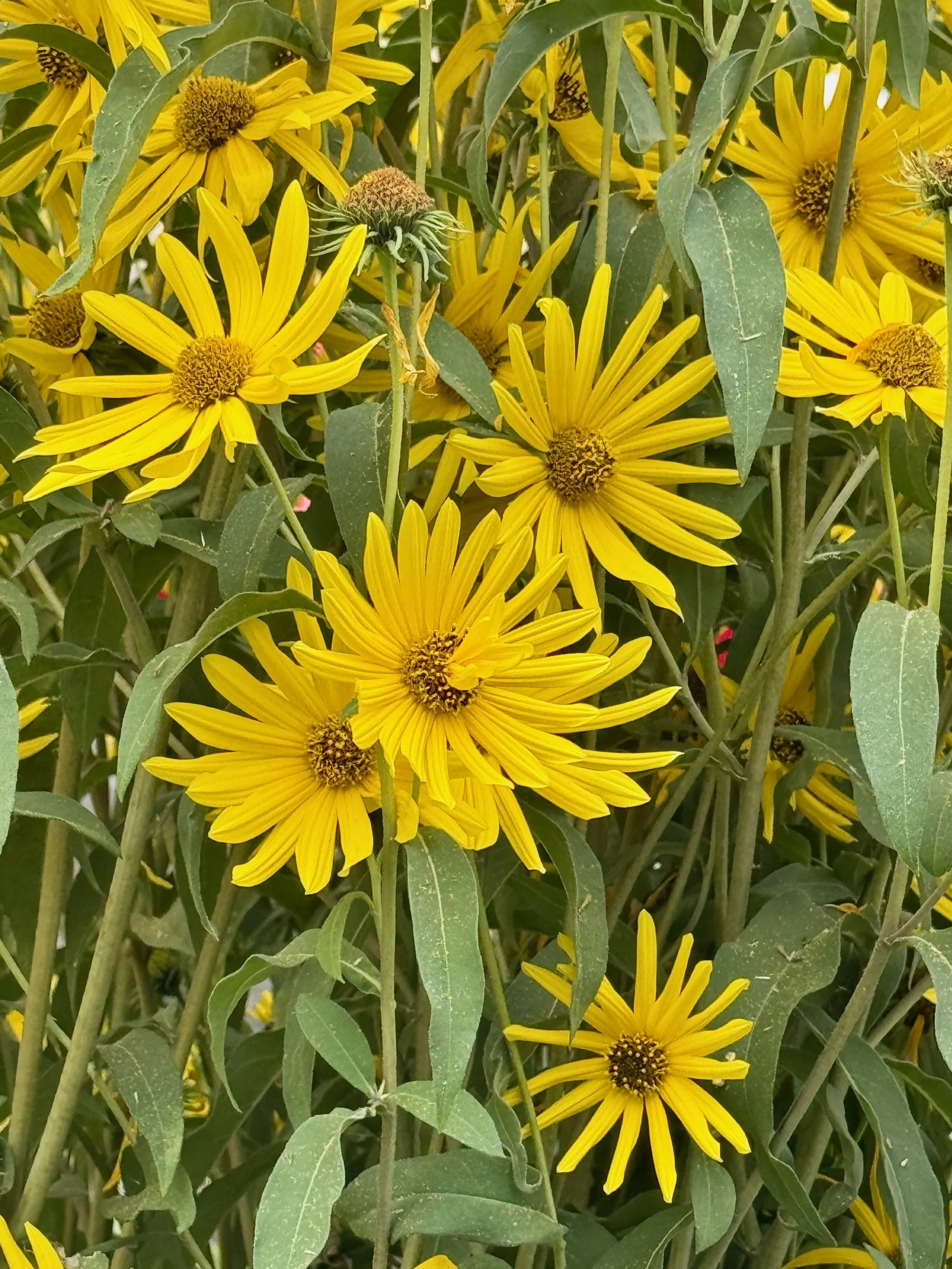
Branching sunflowers, on the other hand, provide a much longer display. They typically produce one large main flower followed by multiple smaller blooms along the side branches as the season progresses. For gardeners looking for weeks of color and a constant supply of flowers for bouquets, branching varieties are hard to beat.
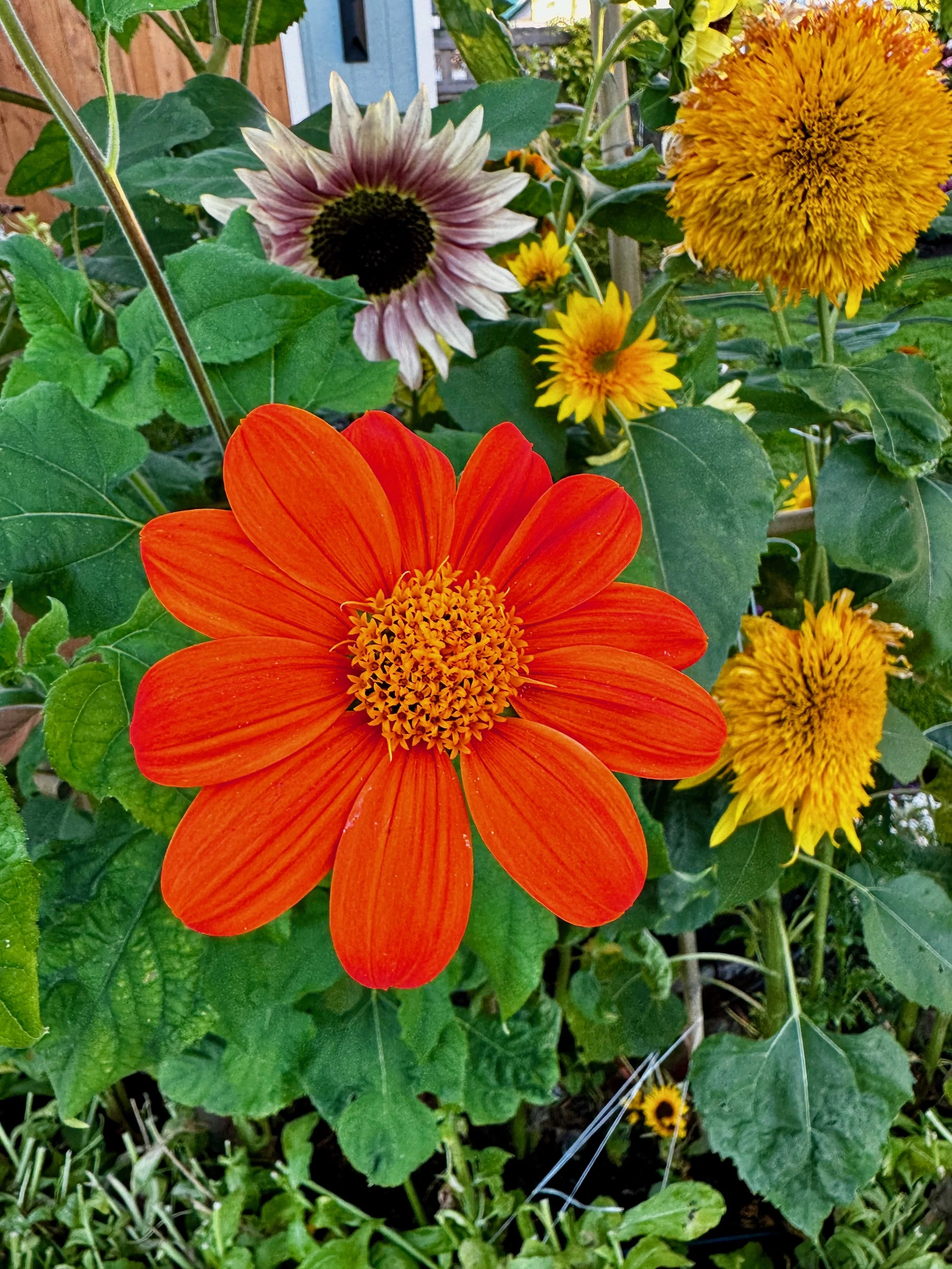
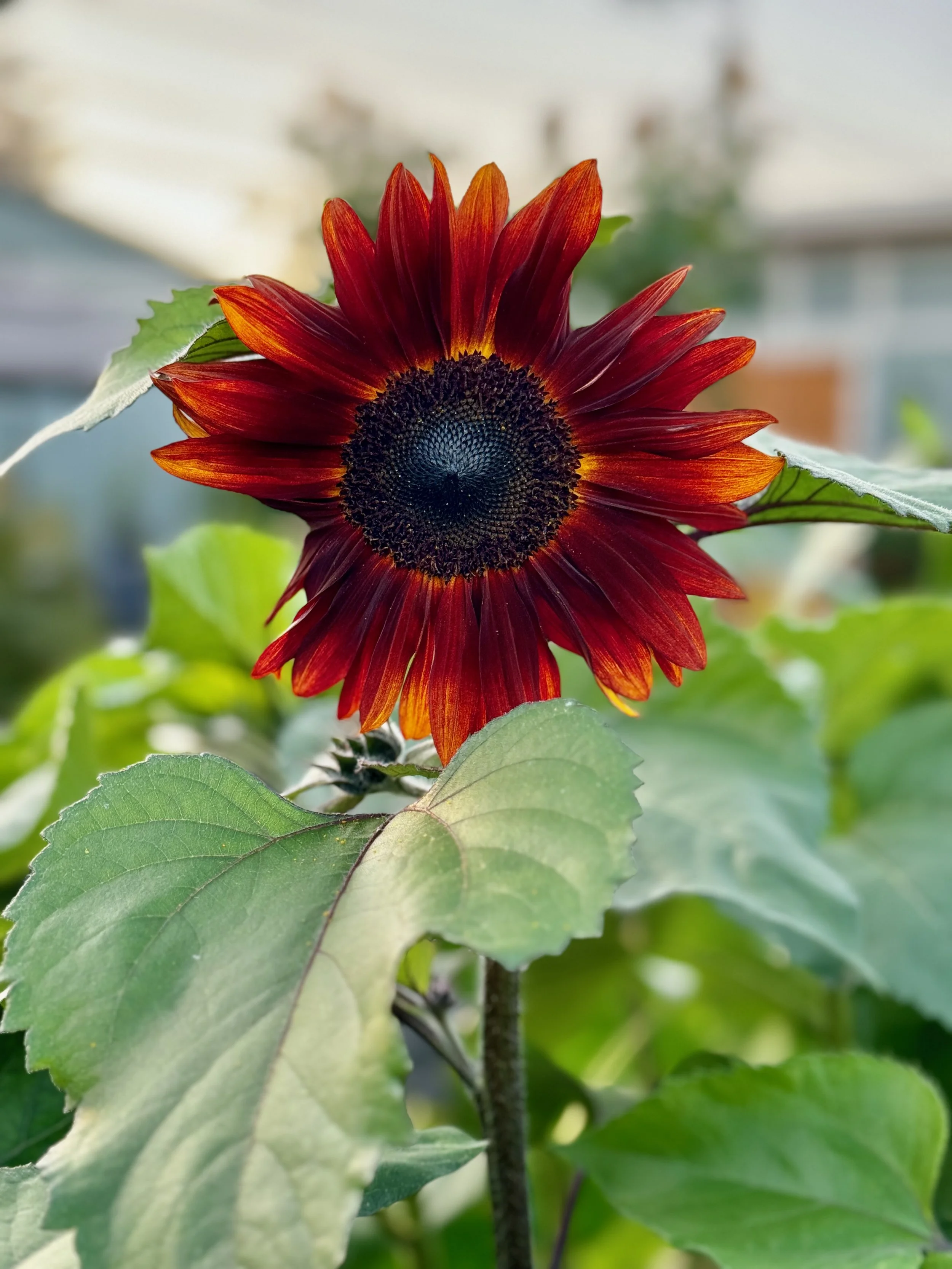
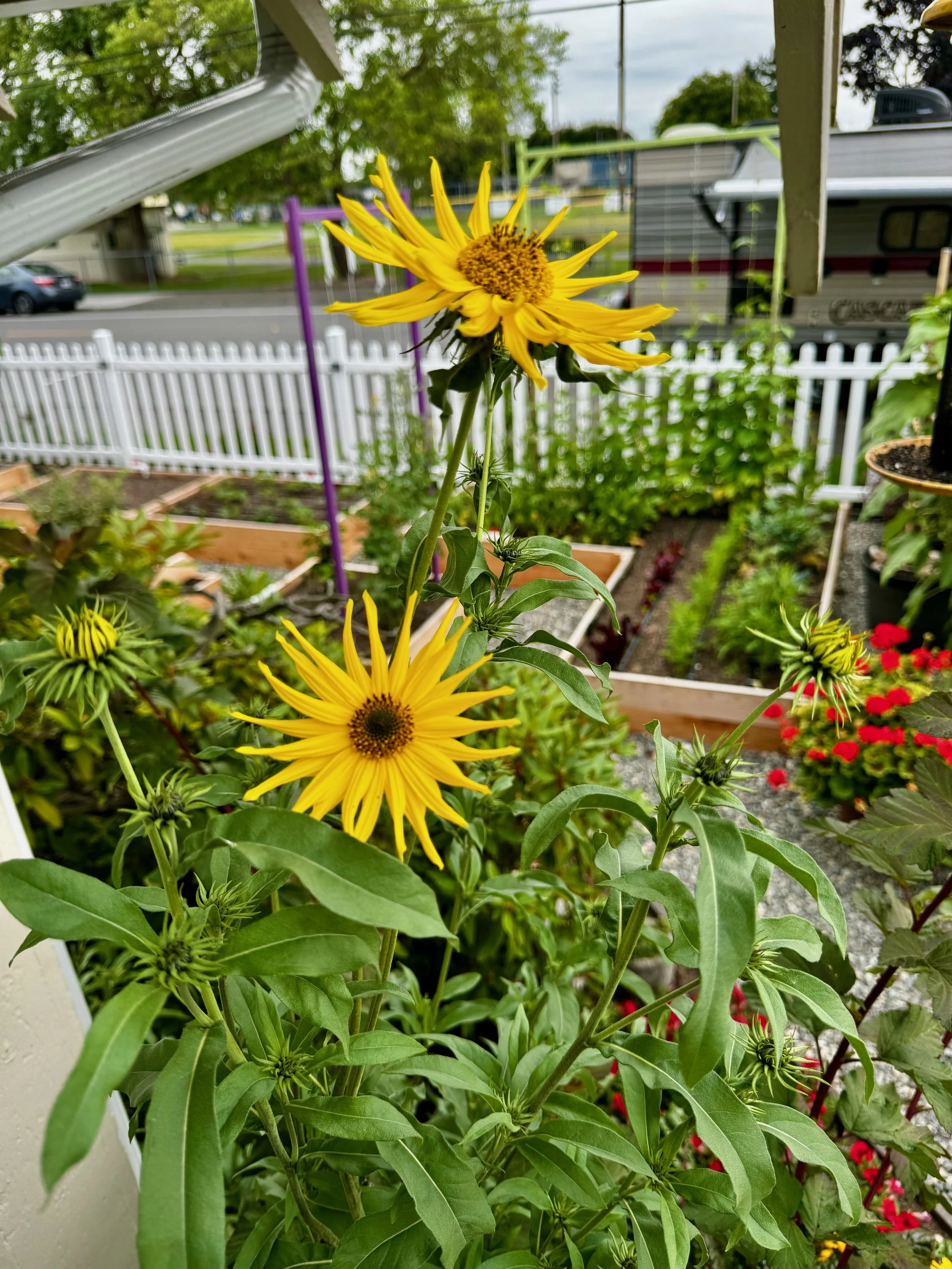
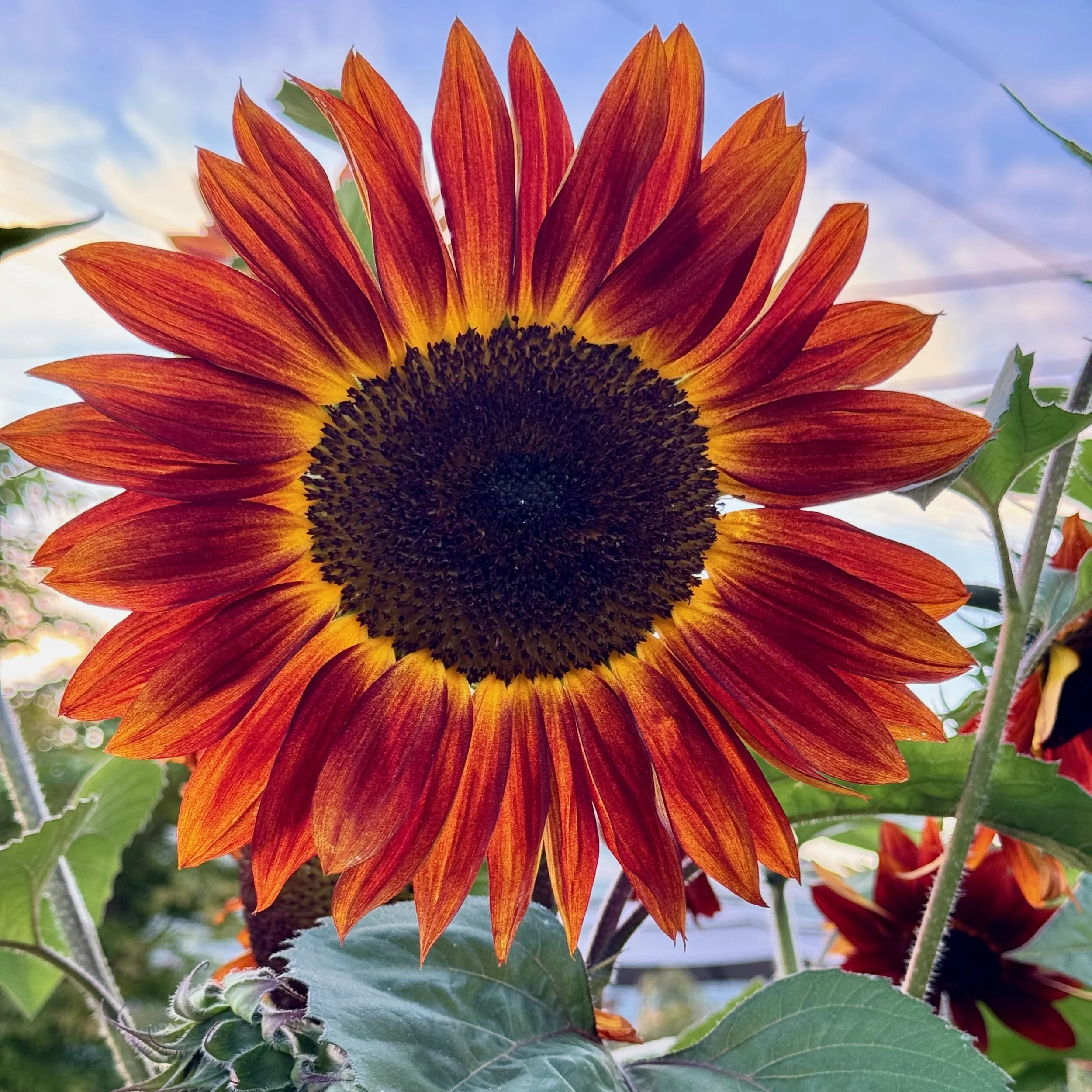
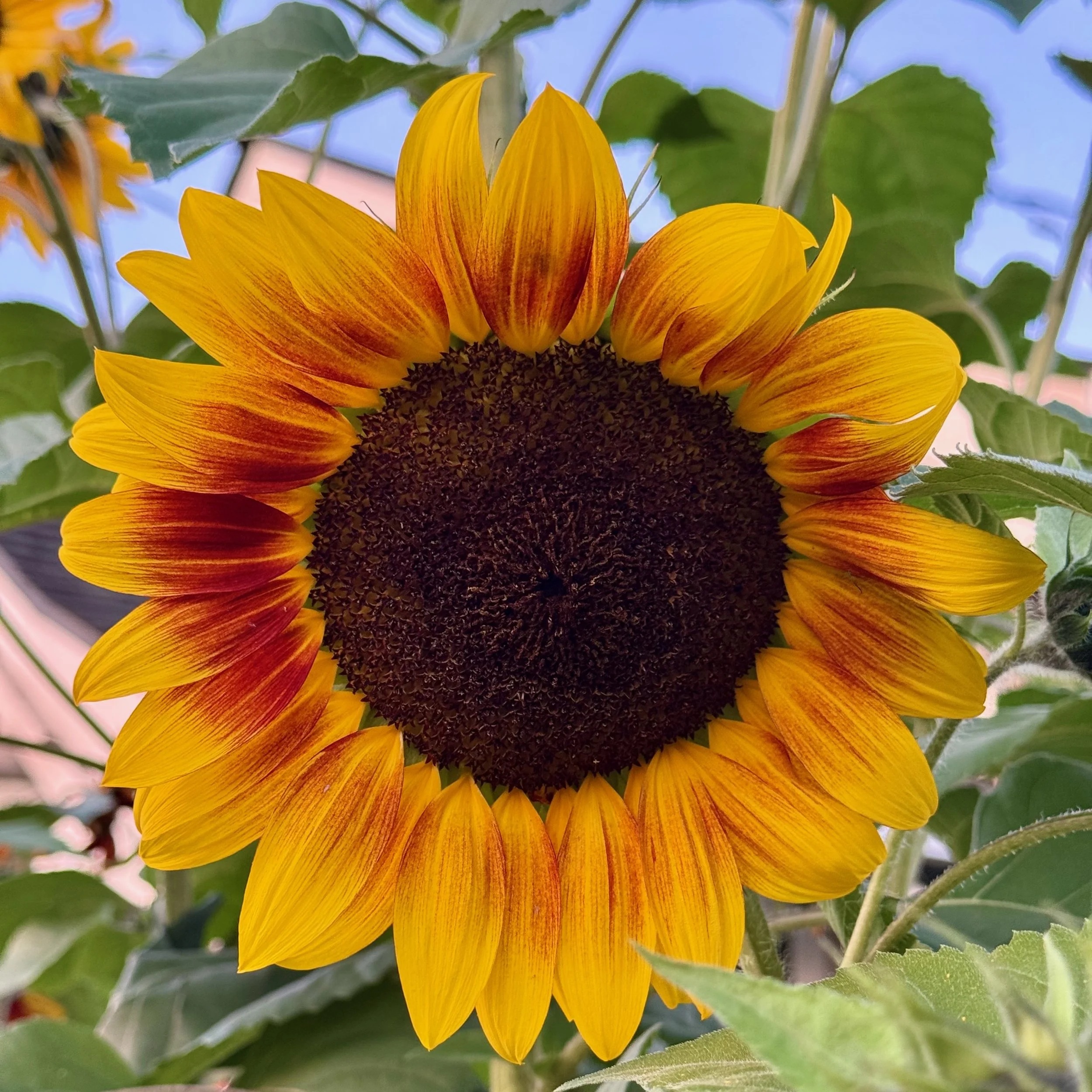
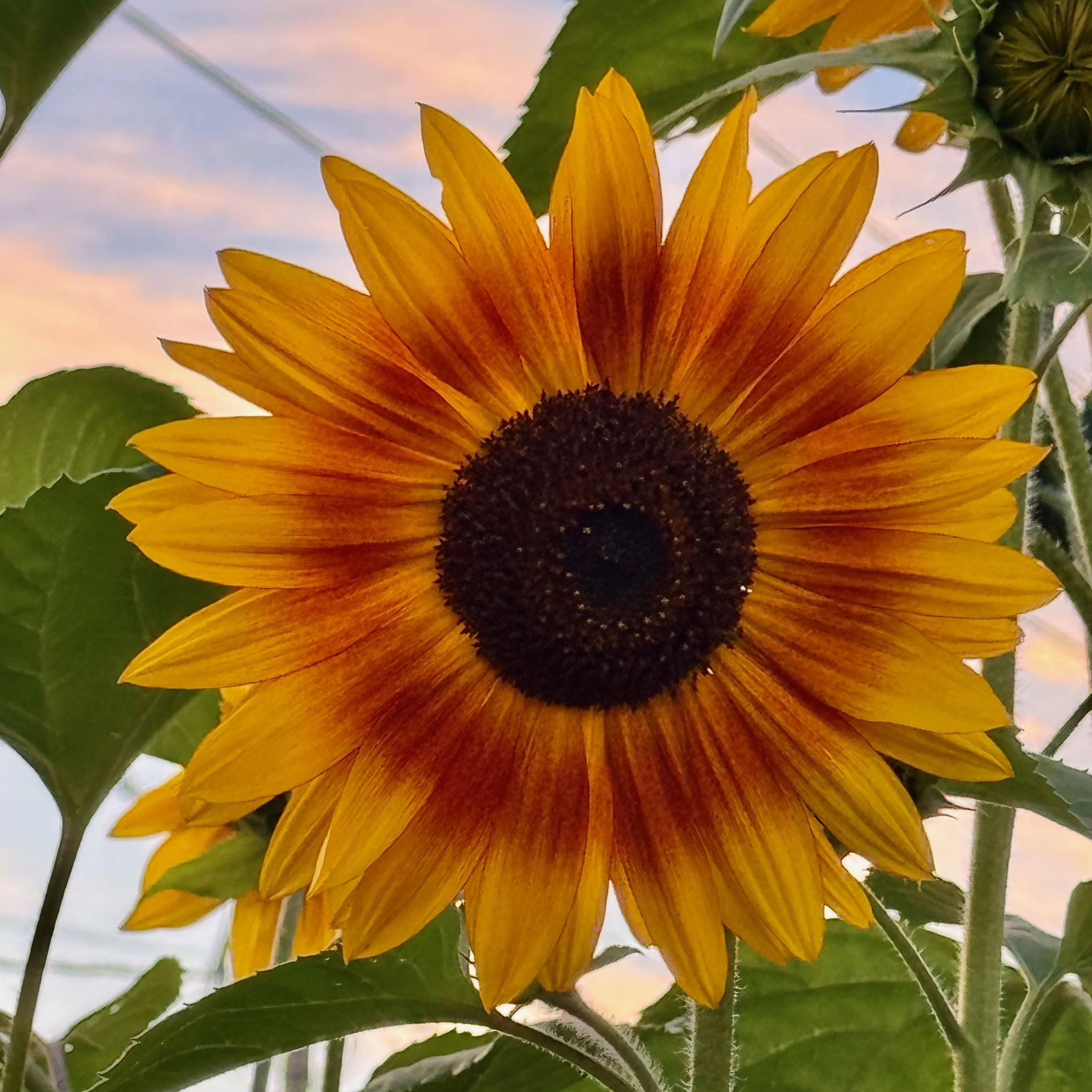
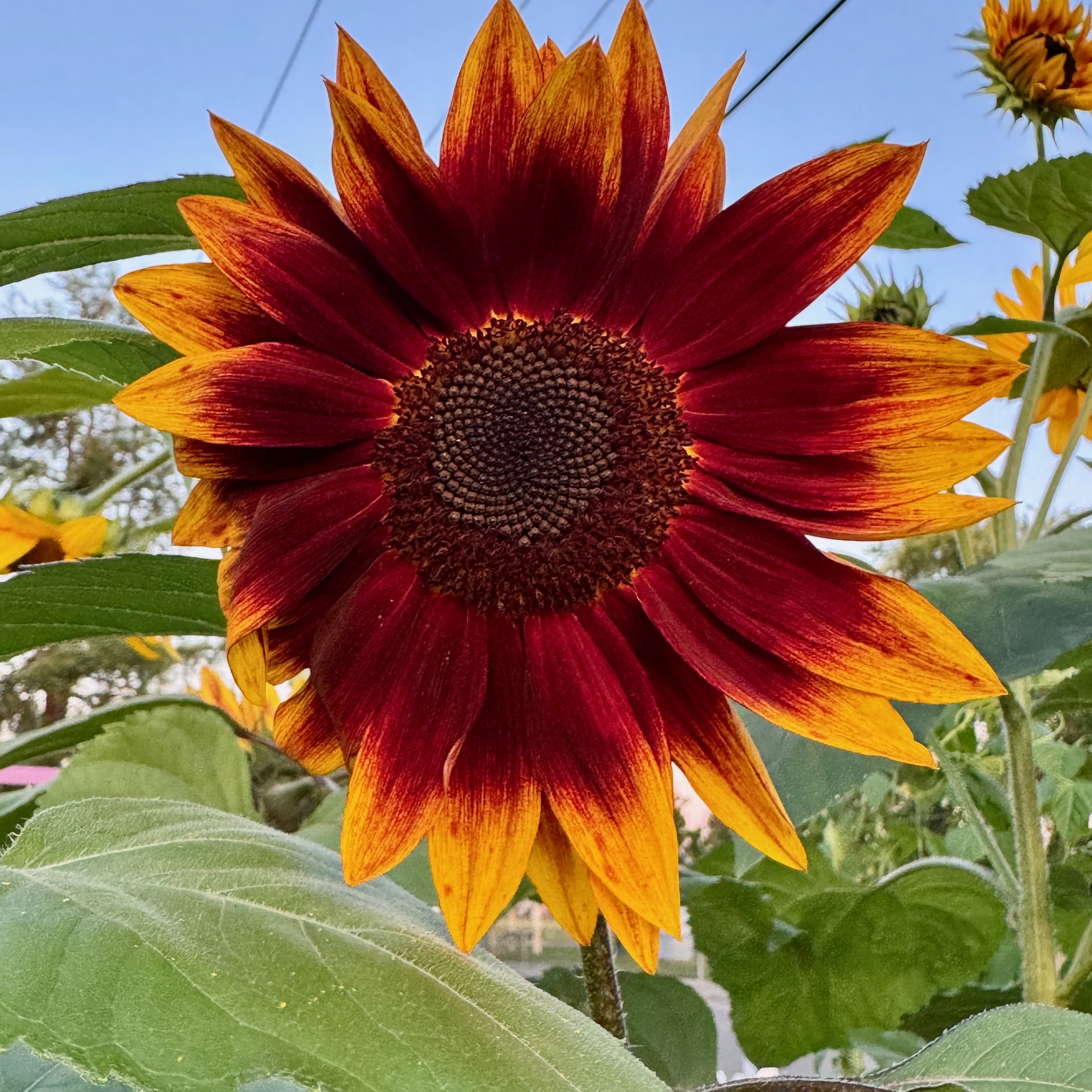
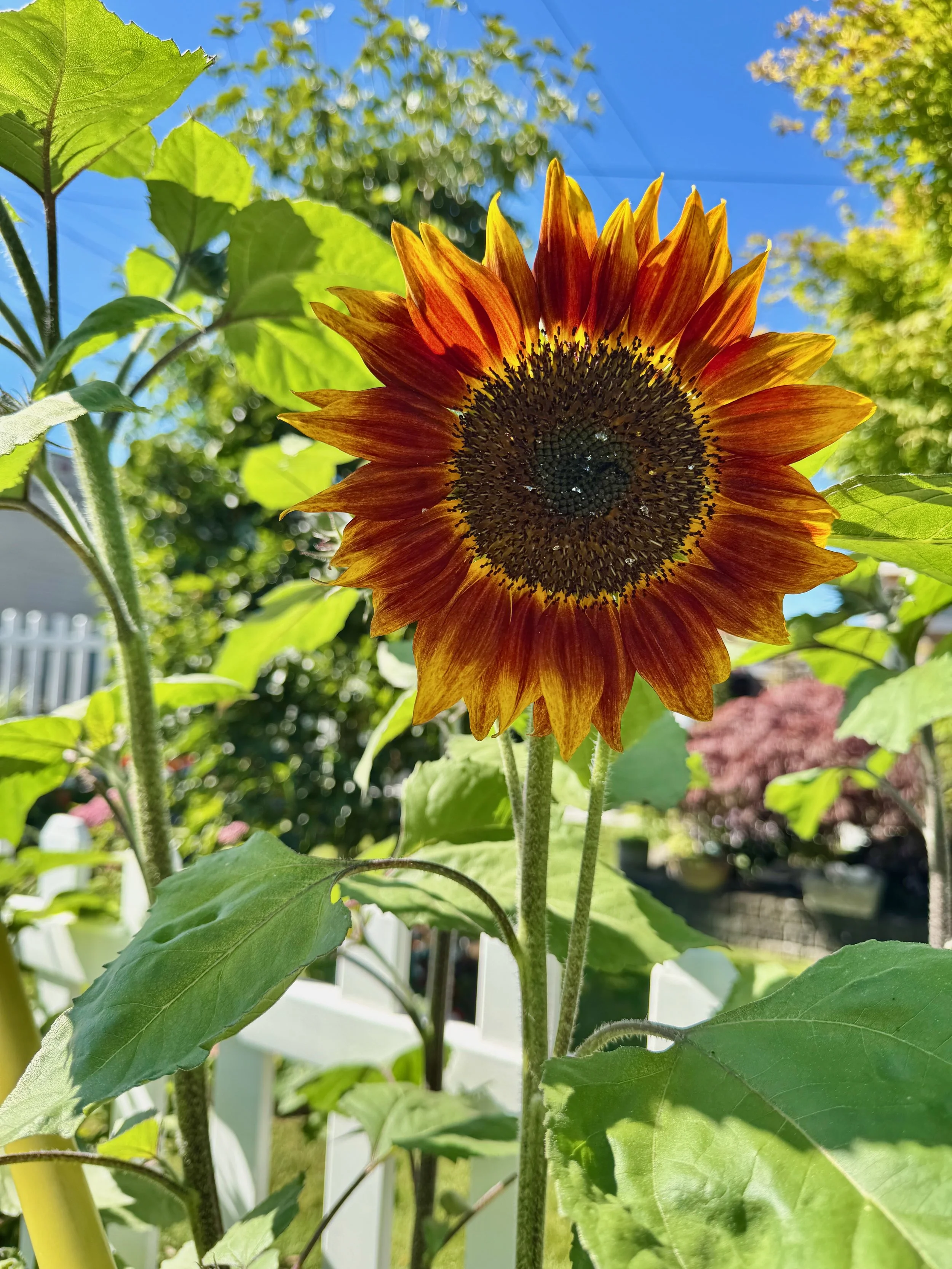
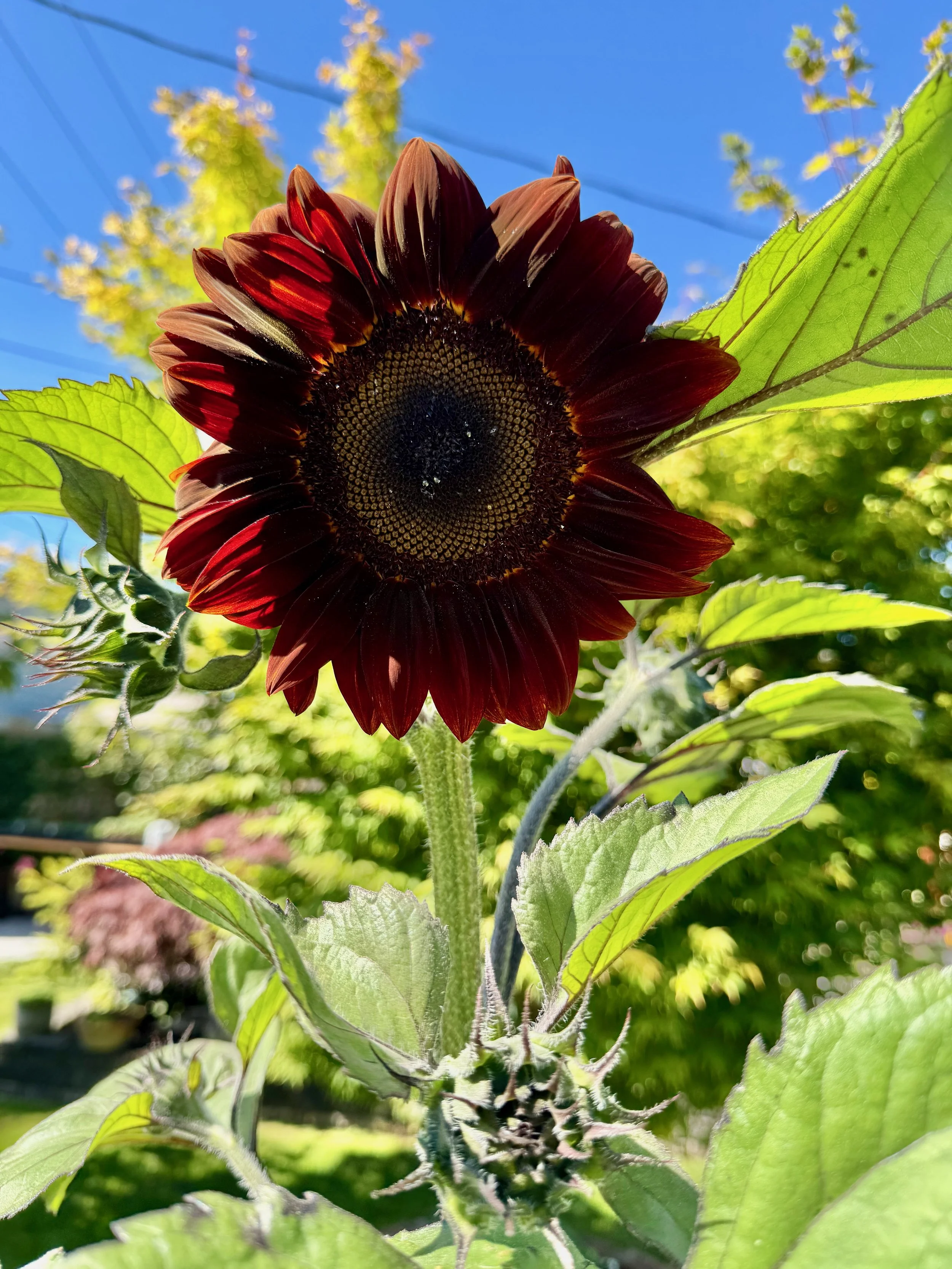
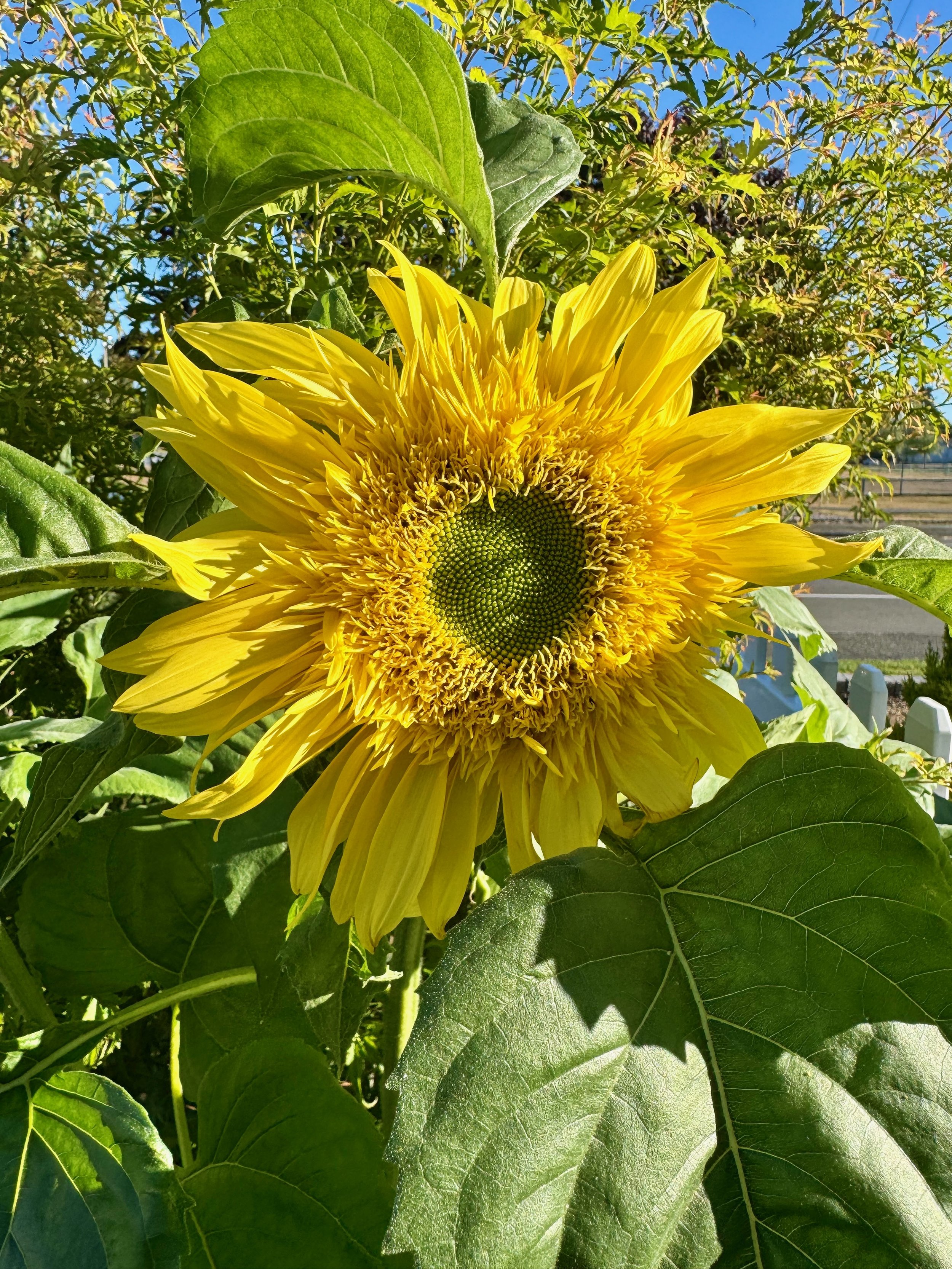
Sunflowers make excellent cut flowers and are best harvested just as the last petals are beginning to unfurl. Don’t wait until the blooms start dropping petals, as their vase life will be much shorter.
If you’re growing branching varieties and want to encourage more blooms, remove the spent flower head once the petals have fallen. Cut the old bloom off close to the main stem. Over time, smaller flowers will begin to develop in the leaf joints along the stem, extending the flowering season and providing weeks of additional color.
As the season progresses, some of the taller varieties may need staking, especially in windy locations. Once a sunflower stem bends or falls over, that plant is usually finished for the season.
Sunflowers are among the easiest and most rewarding flowers to grow. Whether planted in a cutting garden, along a fence, or as a colorful backdrop in a flower bed, they bring height, color, and a cheerful presence to any garden.