
Mid-Summer Garden Update Part 2: Succulents in the Pacific Northwest
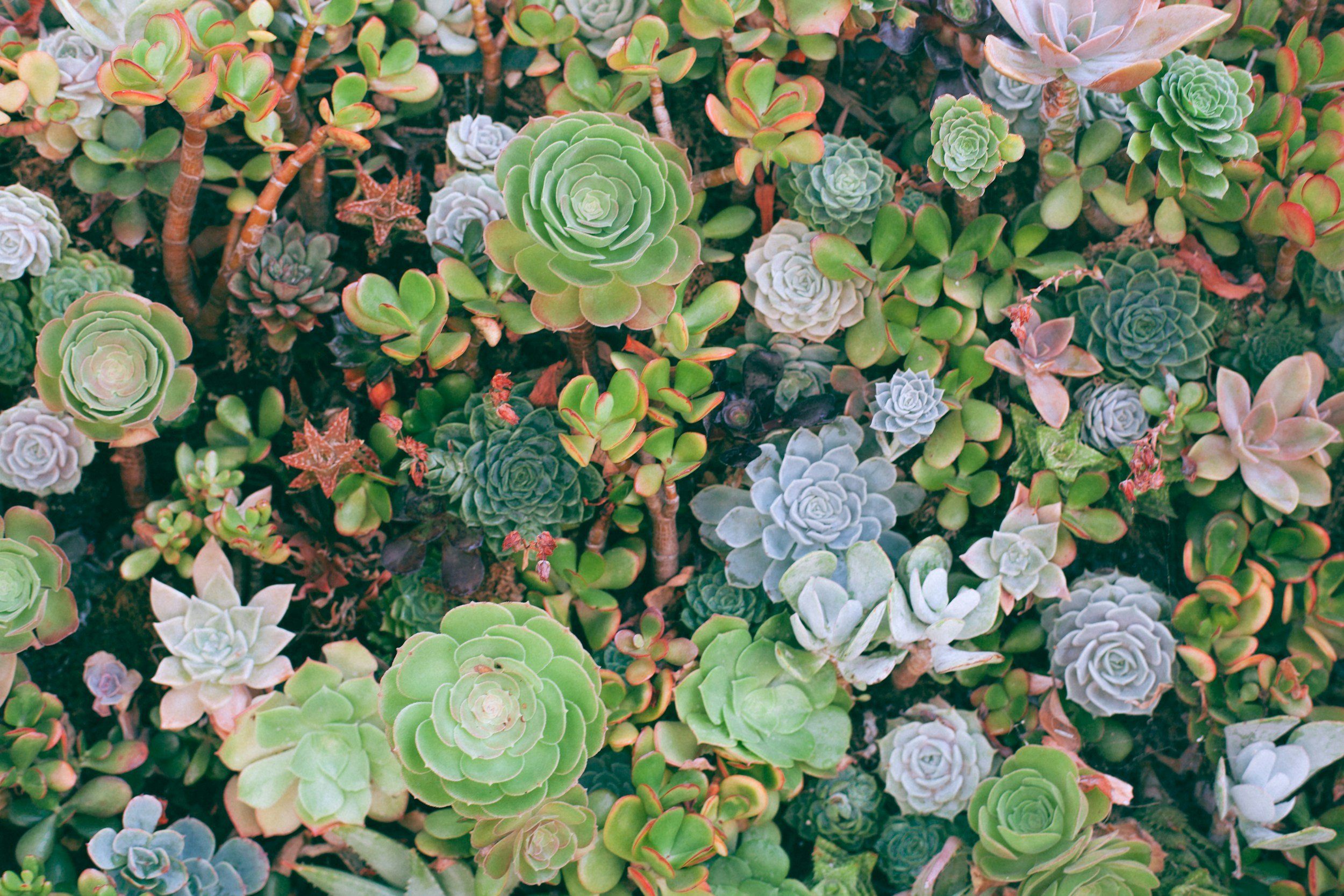
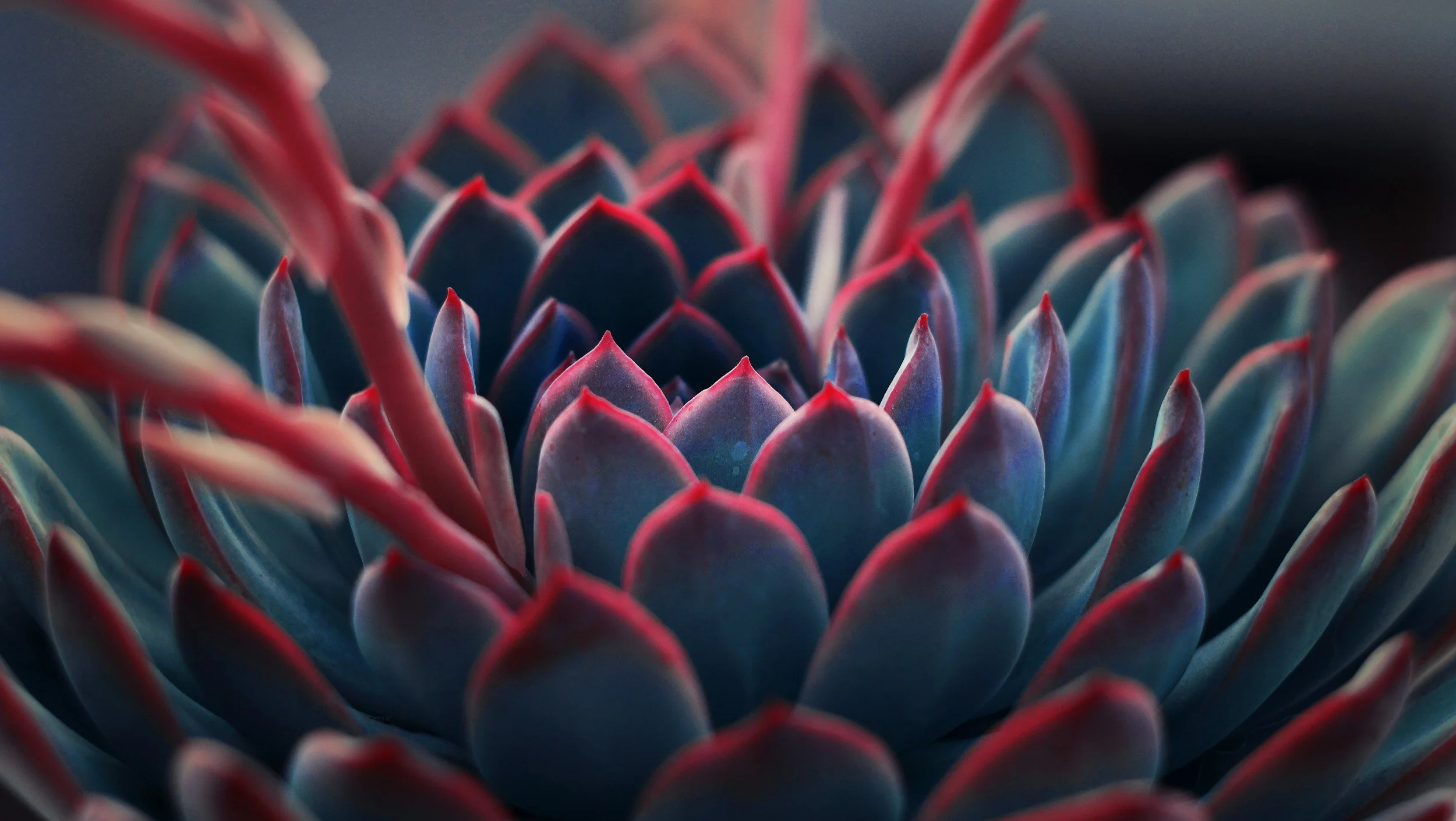
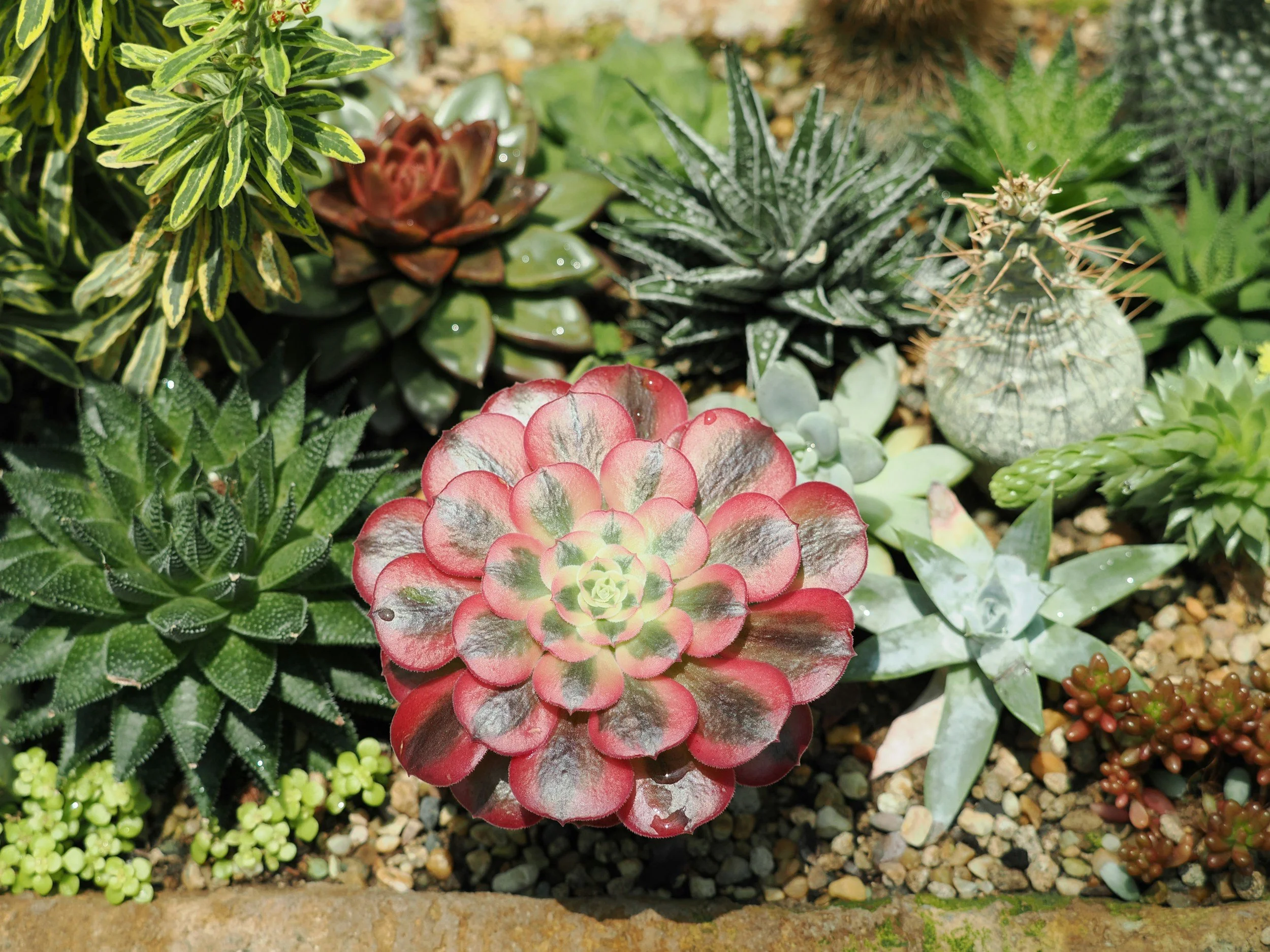
Growing up in California, succulents were one of those gardener “go-to” plants. They needed very little care, very little water, and every couple of years they benefited from a good cutback or replanting.
My mom loved succulents. She had several garden beds filled to the brim with all kinds of them. Her soil was sandy, never amended with compost or fertilizer, and the plants were watered only a couple of times during the dry summer season—and they thrived.
Back then, I hated succulents. Now, living in the Pacific Northwest, I wish I could grow more of them. Unfortunately, many varieties don’t appreciate our winter weather and can’t handle a hard freeze.
I still remember visiting relatives in Salinas, California. My mom and my Aunt Bette would head out on neighborhood walks through an area with some beautiful yards. If a succulent caught Mom’s eye, she had a funny little trick. She would “accidentally” drop something near the plant, bend down to pick it up, and somehow a tiny piece of that succulent would end up in her hand at the same time. She was also known to occasionally pull that trick at a nursery. Apparently, her love of succulents knew few boundaries.
A Favorite Stop in California
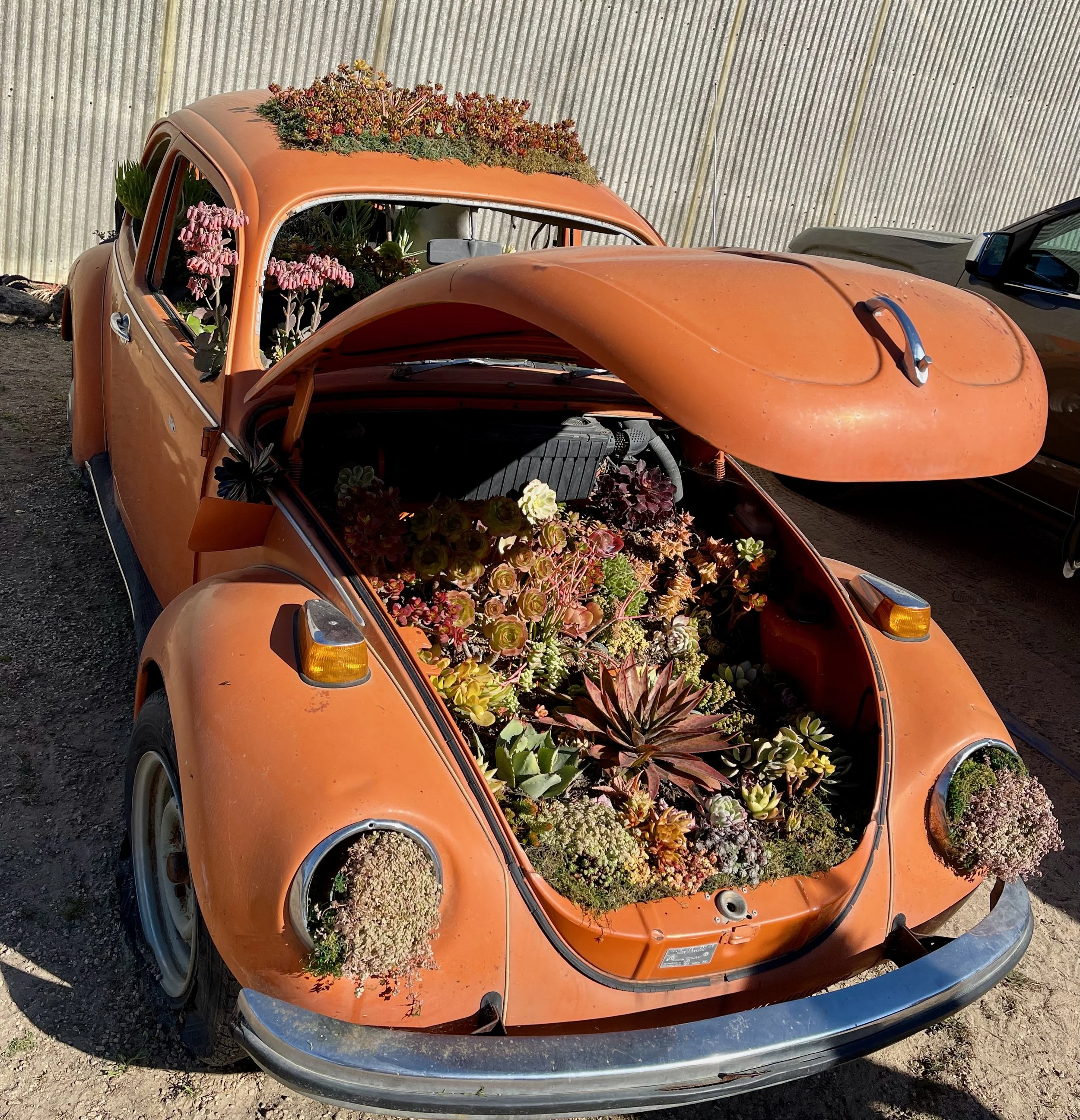
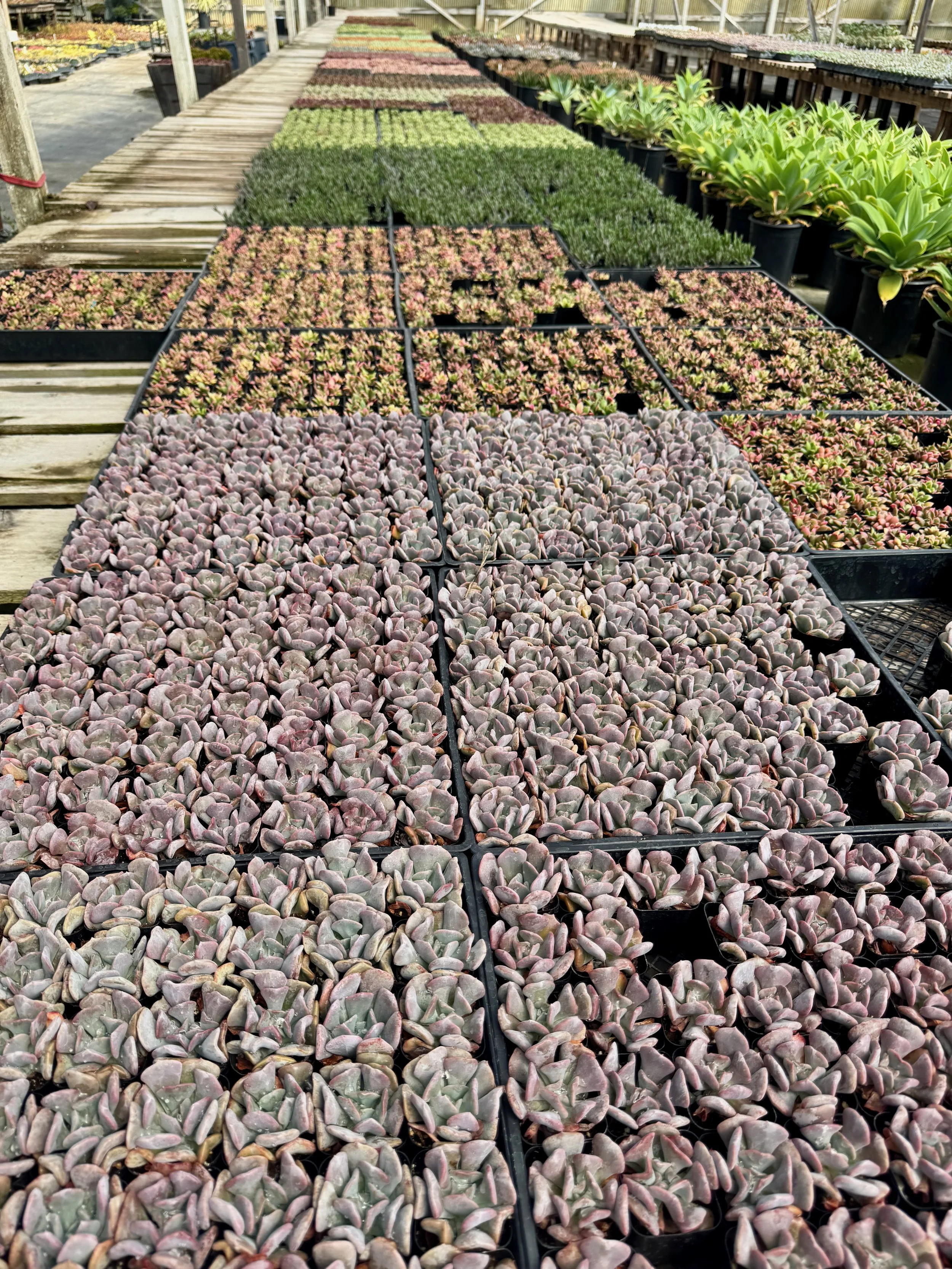
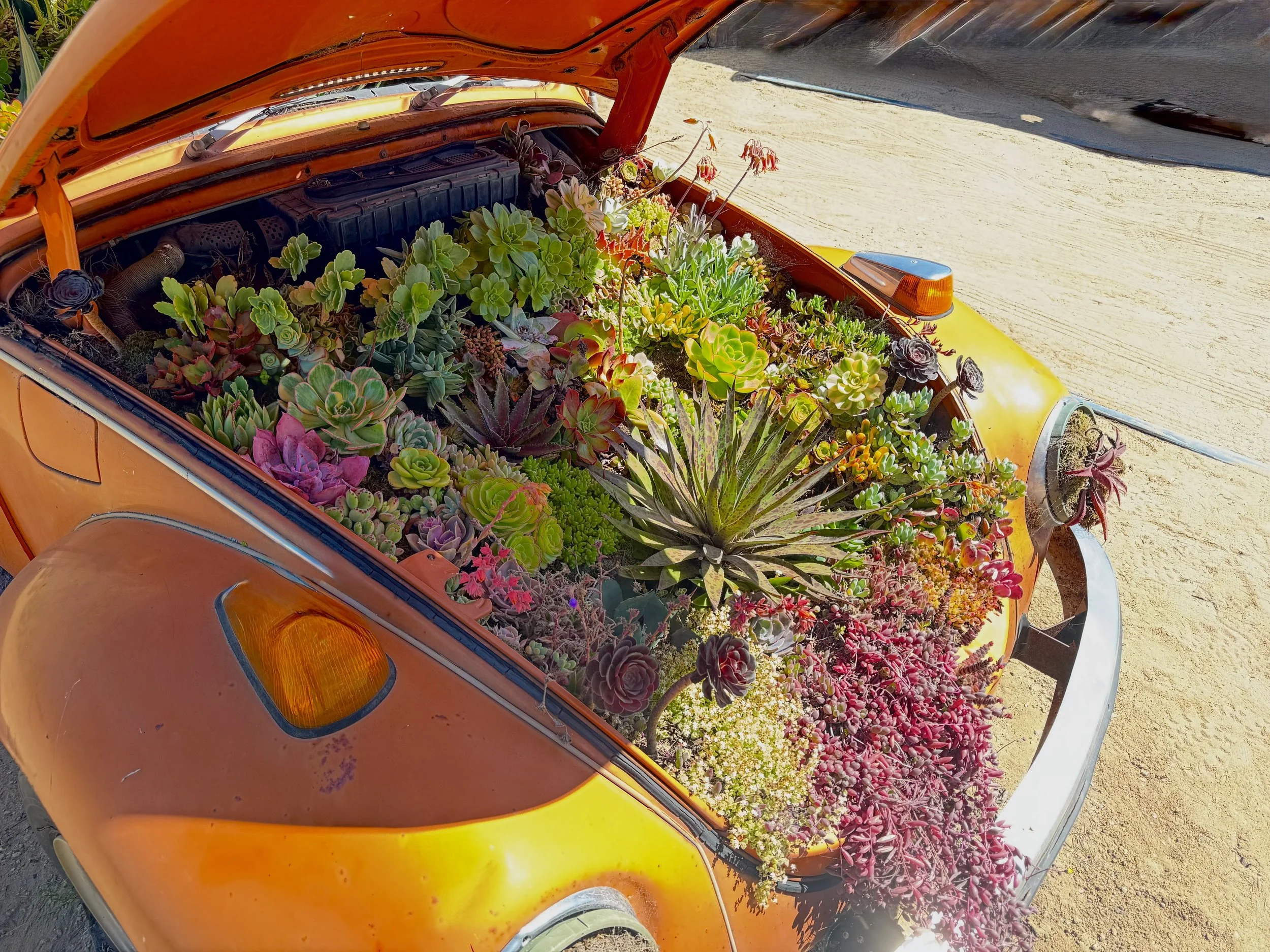
When we visit family in the Monterey area along the California coast, we usually make a quick trip to Succulent Gardens in Castroville. It is a boutique nursery dedicated to growing more than 400 varieties of succulents, from popular favorites to some fairly unusual plants.
The nursery covers more than three acres, with plants displayed both inside greenhouses and outdoors. There are plenty of examples showing how succulents can be used in containers and in the landscape, with everything from little 2-inch pots to large specimen plants.
For anyone who likes succulents, it is an easy place to spend some time wandering around—and usually an equally easy place to leave with a few new plants.
What Works in Our Pacific Northwest Garden
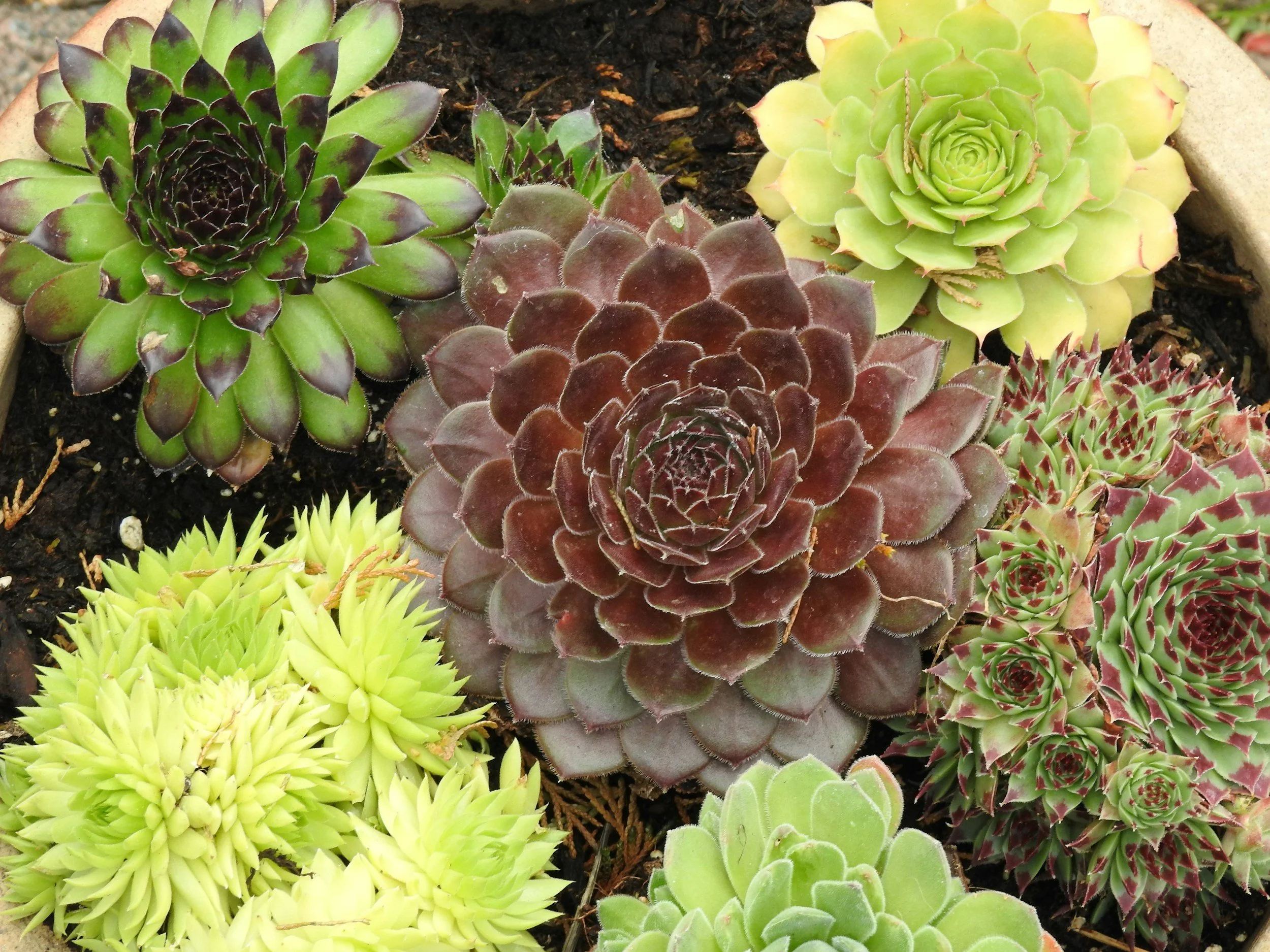
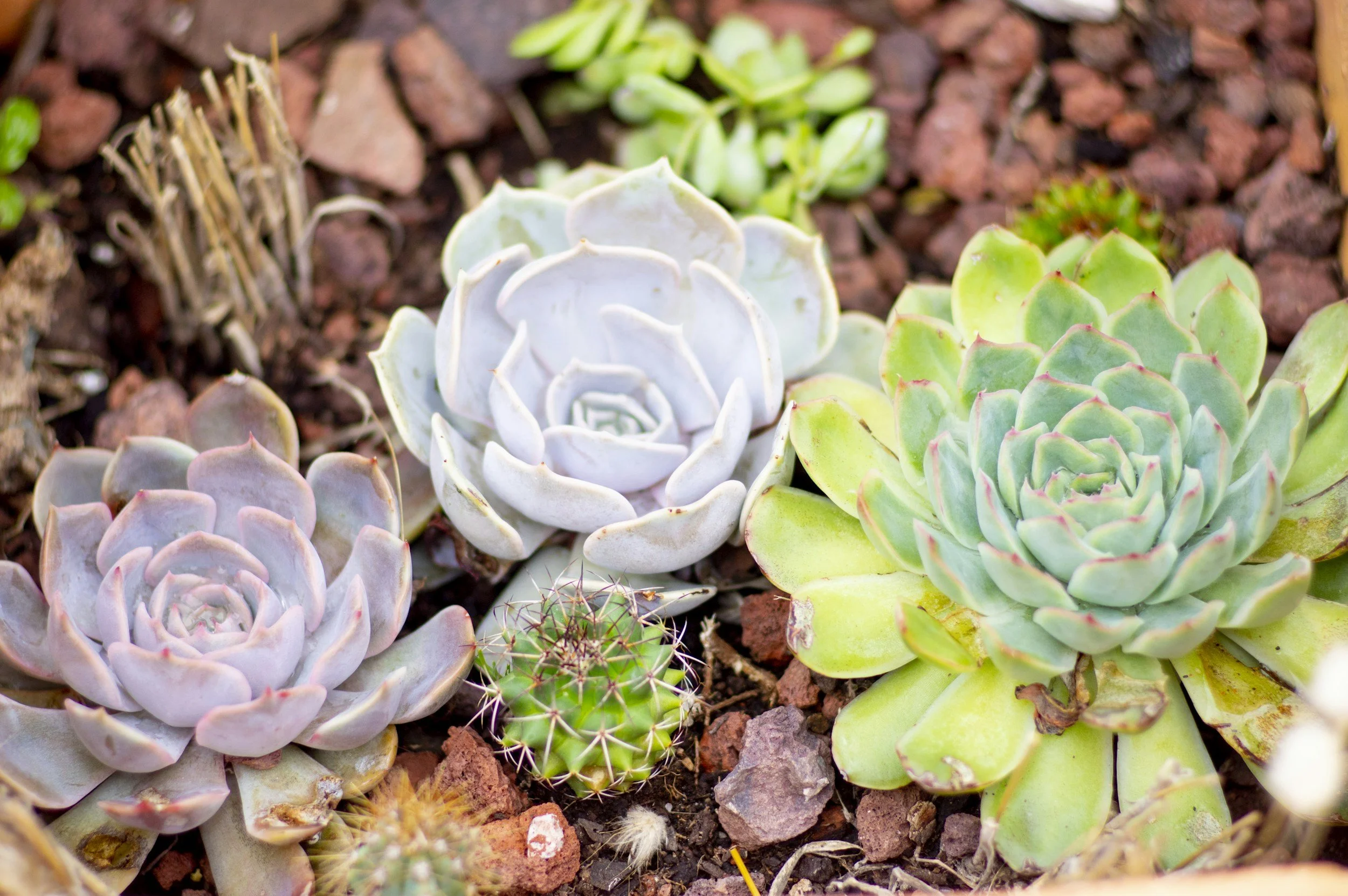
Since we live in USDA Zone 8b, many of the succulents sold in California are not winter hardy here. Sempervivum, better known as Hens & Chicks, are probably one of the safest choices. They form great-looking rosettes and spread by producing little “chicks” around the parent plant. They work especially well in rock gardens, along pathways, tucked into small spaces, or spilling over a wall.
Sedum, or Stonecrop, also does well here. The bigger issue with both Sempervivum and Sedum isn’t always the cold—it can be our wet winter soil. Succulents really don’t like sitting in soggy conditions.
I didn’t keep the identification tags from the succulents I bought, so I can’t tell you exactly which varieties I have. Sometimes you just buy what catches your eye.
My Workaround for Tender Succulents
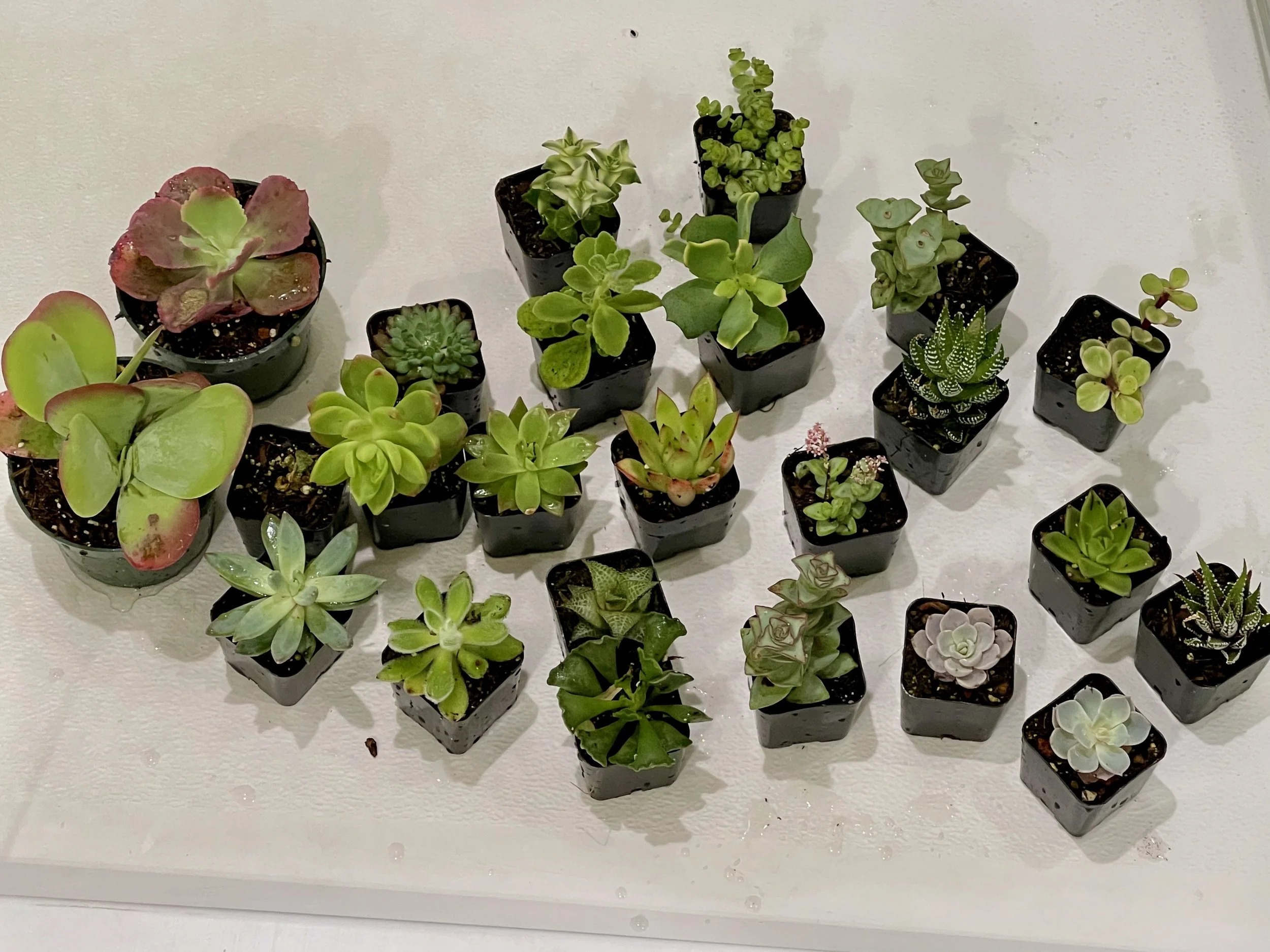
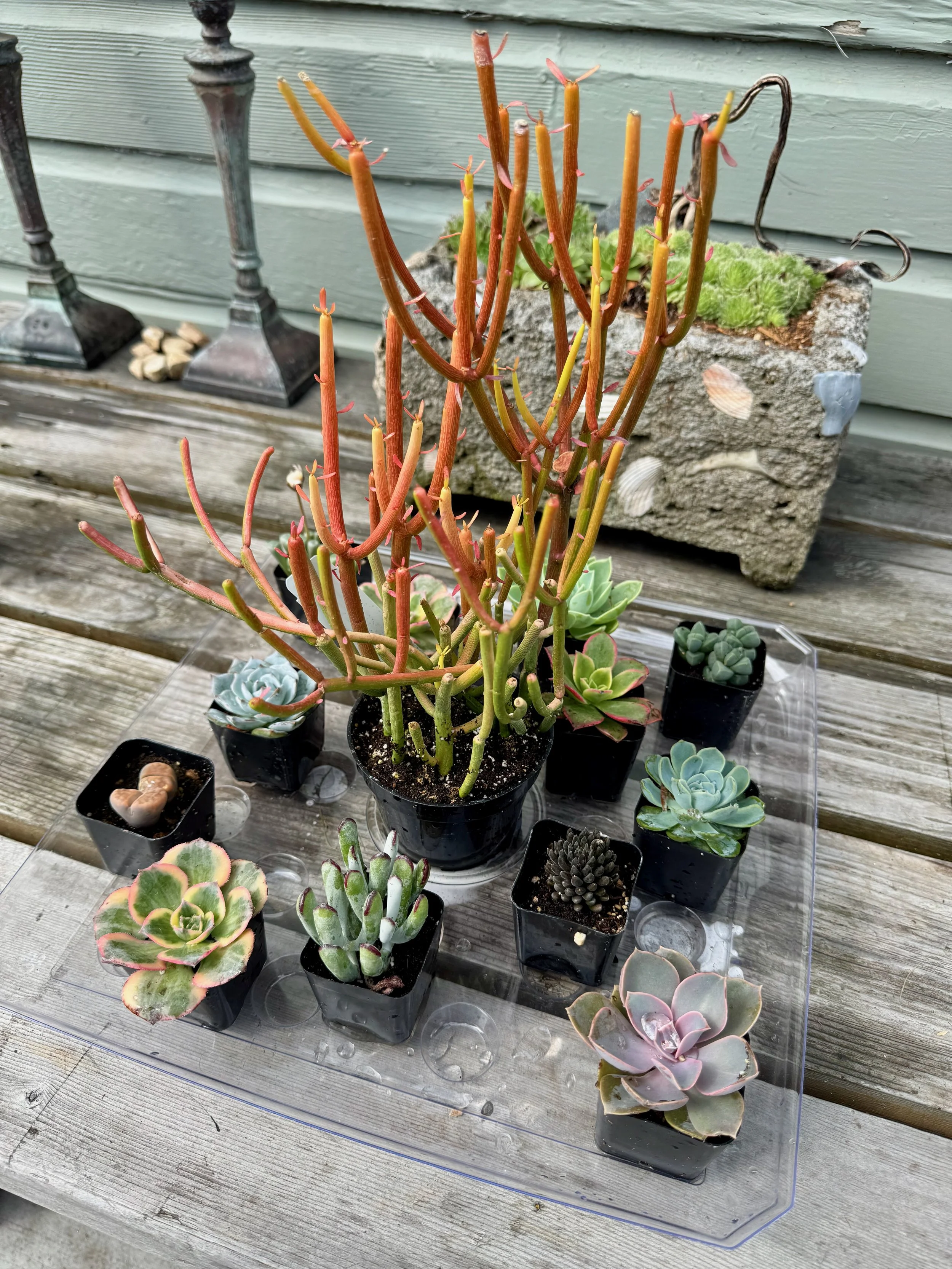
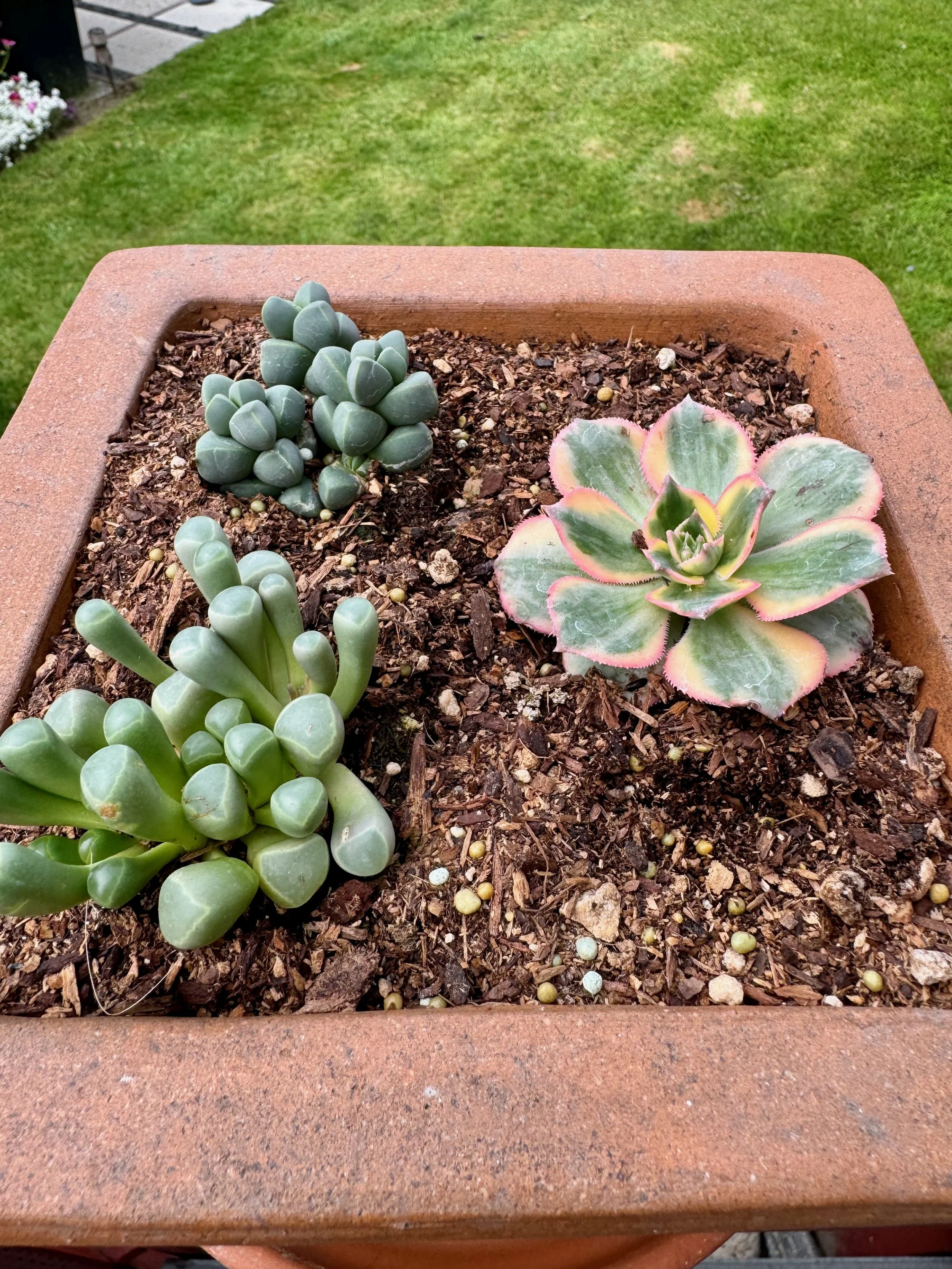
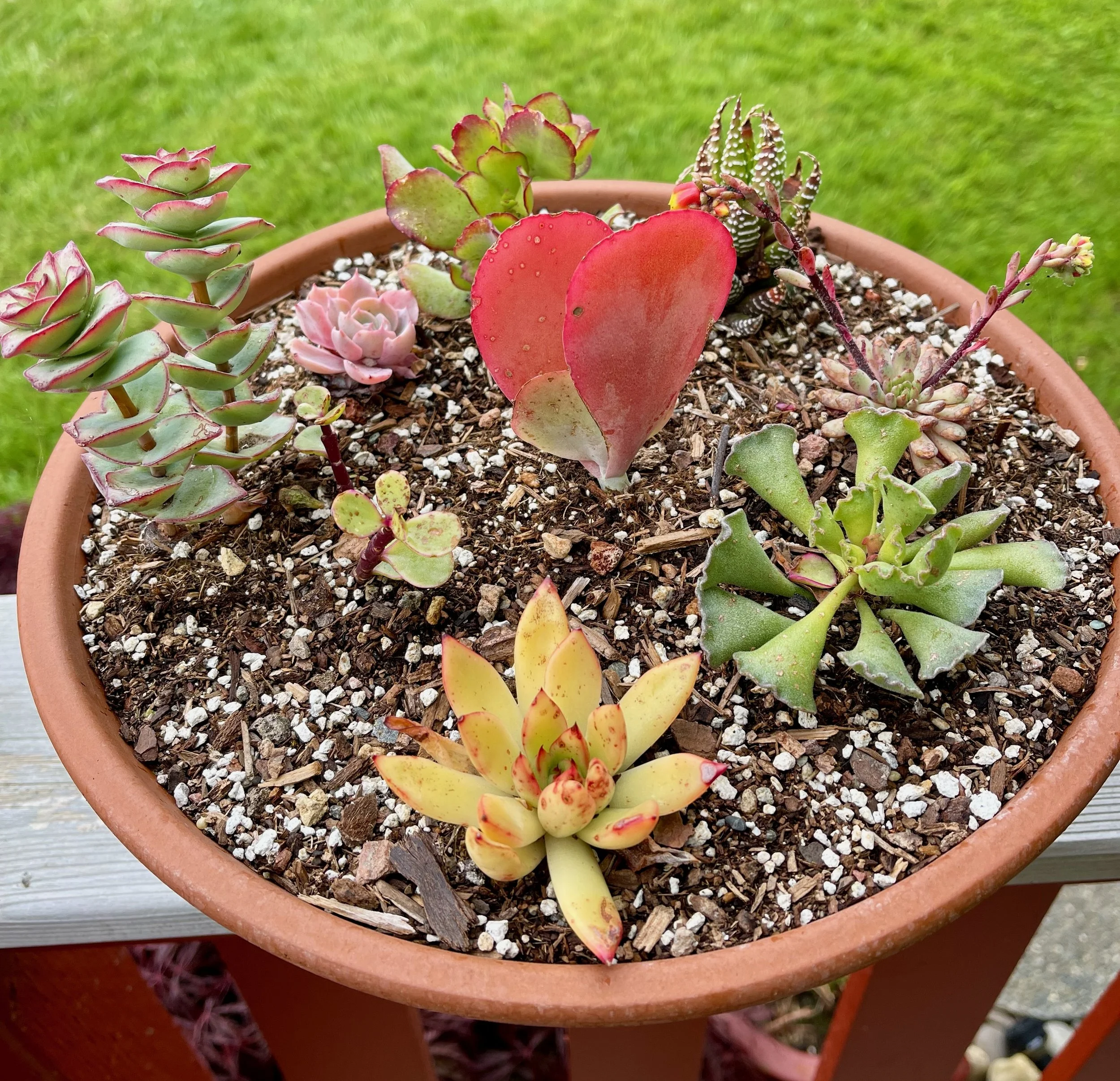
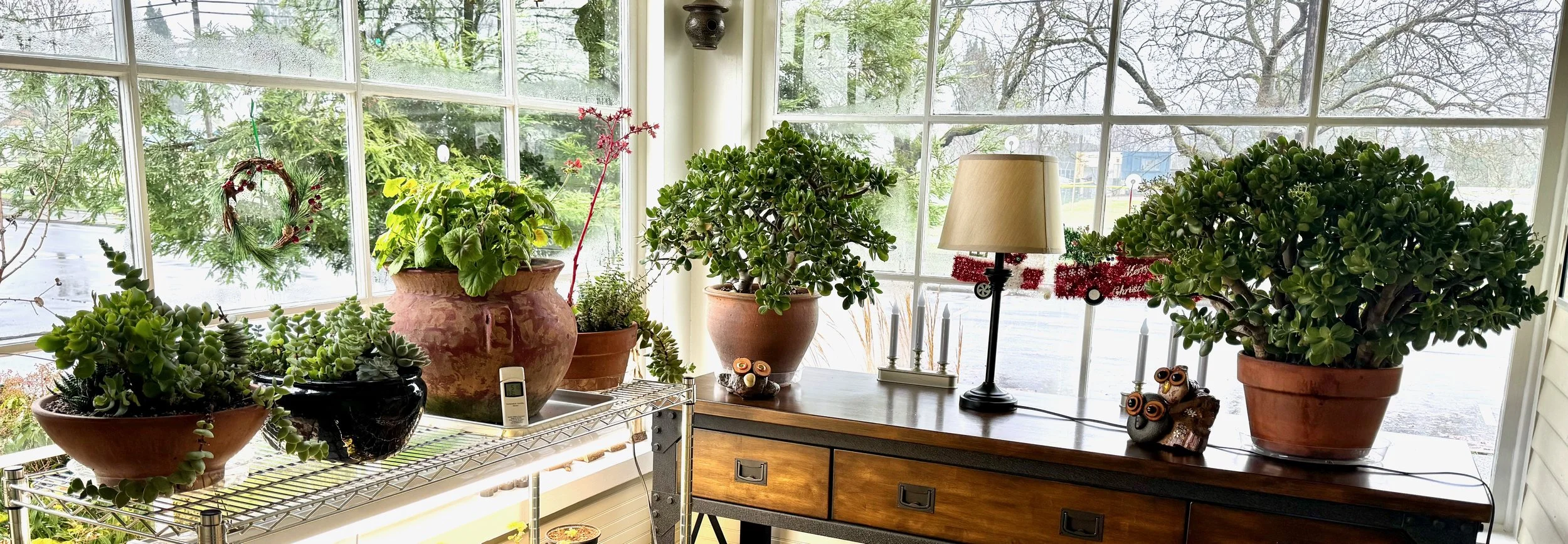
For succulents that aren’t hardy enough to stay outside all winter, I keep them in pots—and more importantly, pots that are small enough to actually move.
When nighttime temperatures begin dropping into the upper 30s or low 40s, I bring them inside. If the soil is dry, I give them a good watering first, then place them on a table next to an east/south-facing window.
The room itself is unheated, but I use an electric oil-filled radiator heater to keep the temperature around 40 degrees. With plenty of light and an occasional watering through the winter, they do just fine.
Then, once spring arrives and temperatures warm up, they head back outside for another summer.
How I Plant and Care for Them
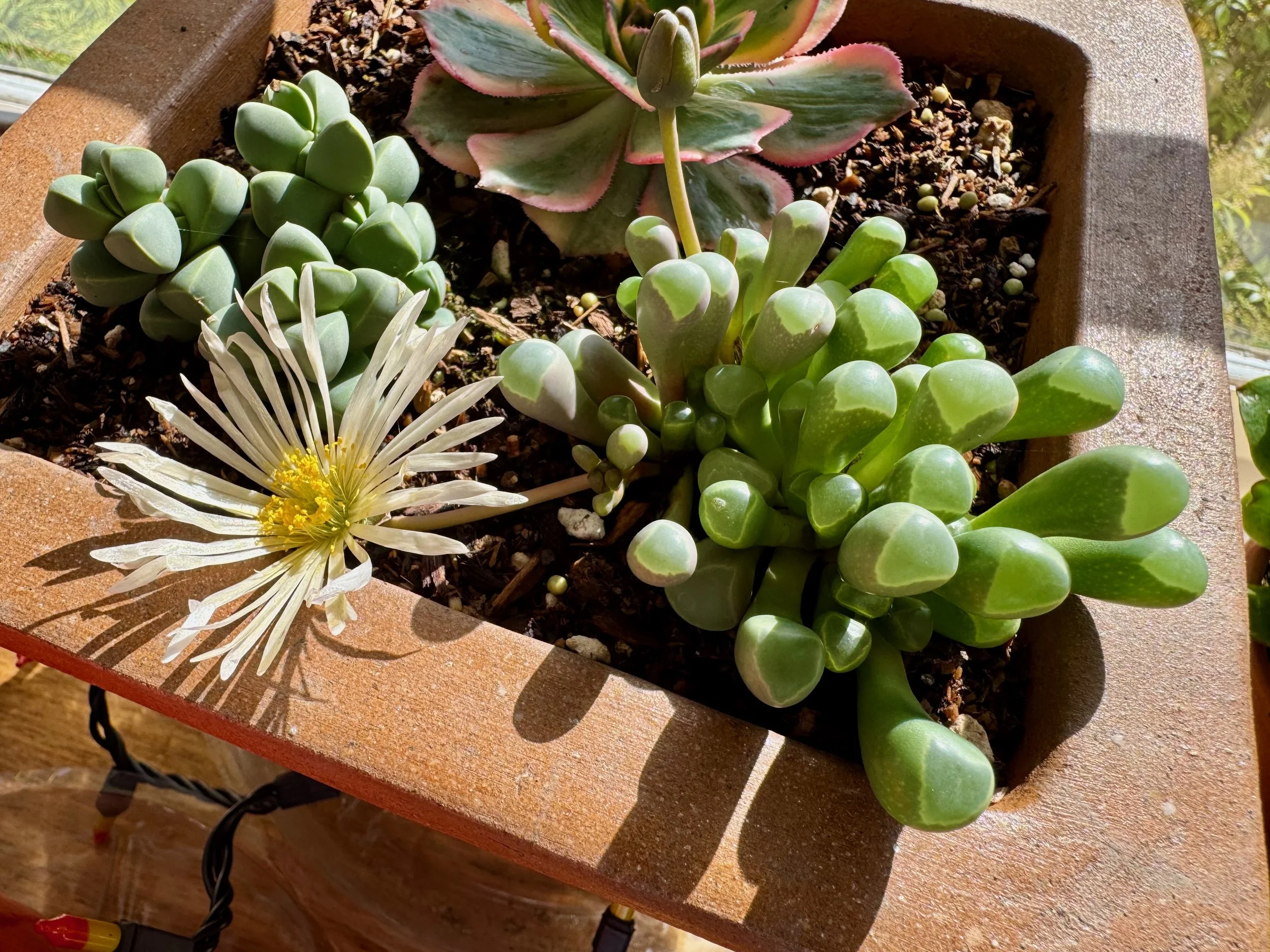
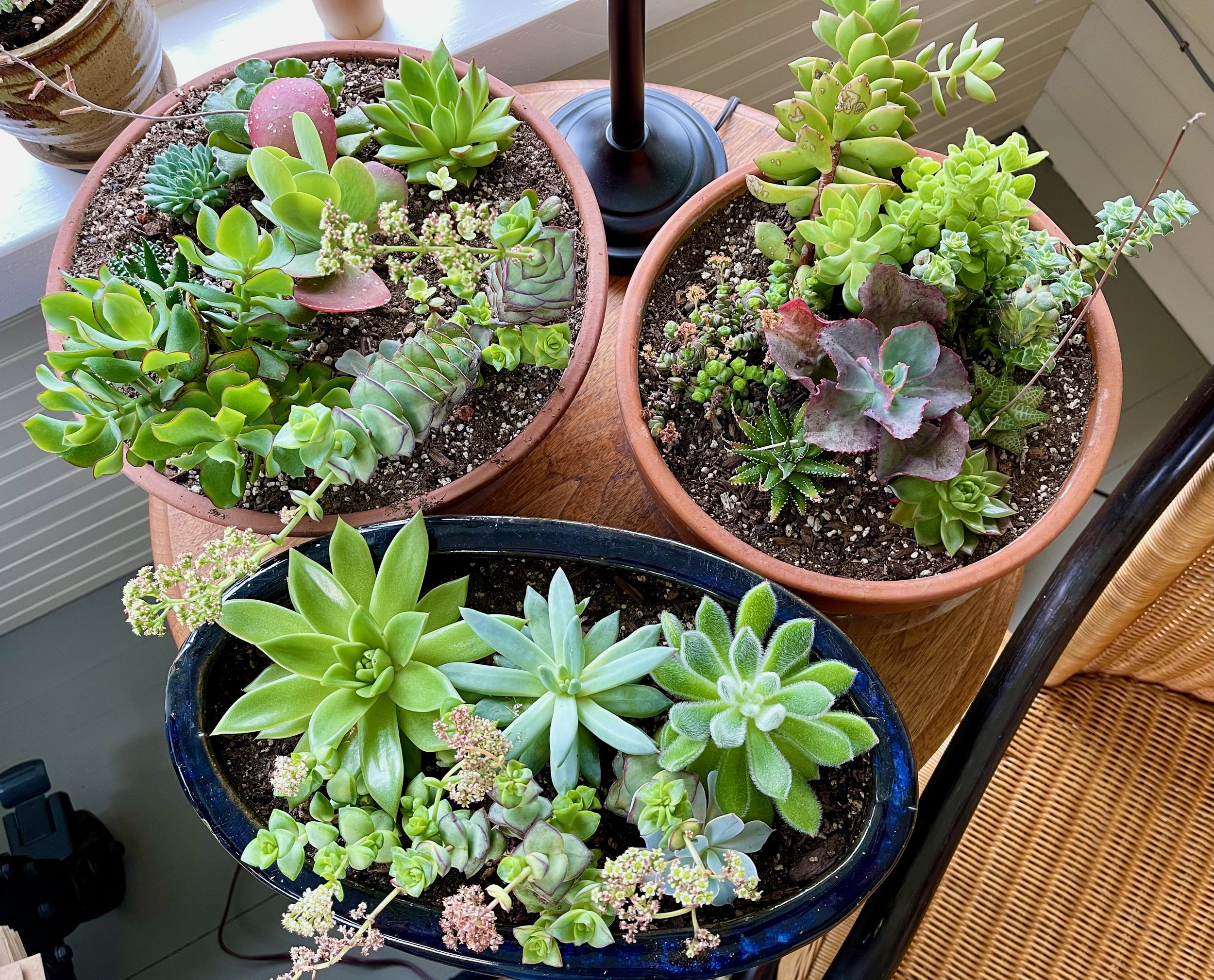
Succulents don’t like wet soil, so good drainage is probably the most important part of growing them successfully in containers.
I use a potting mix that is very light, fluffy and porous so the roots don’t stay waterlogged. During our outdoor growing season, I’ve found that watering about once a week works well, although I always check the soil first.
They also don’t need much fertilizer.
Here is the schedule I use:
April: First feeding once I see active new growth.
June: A second light feeding.
July: An optional third feeding if the plants are growing vigorously or getting watered frequently.
August and later: I stop fertilizing so the new growth has time to begin hardening before cooler fall weather arrives.
Winter: No fertilizer.
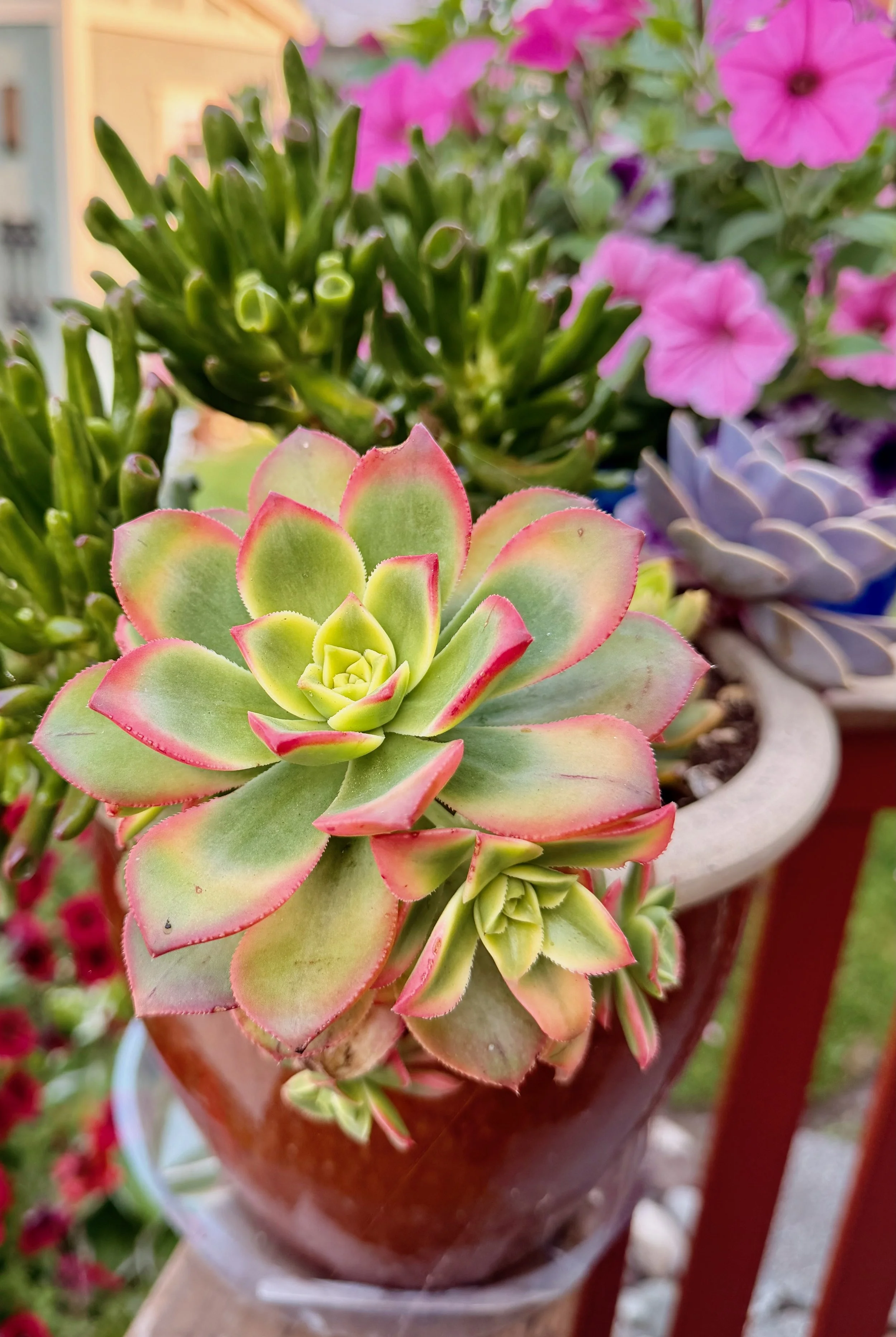
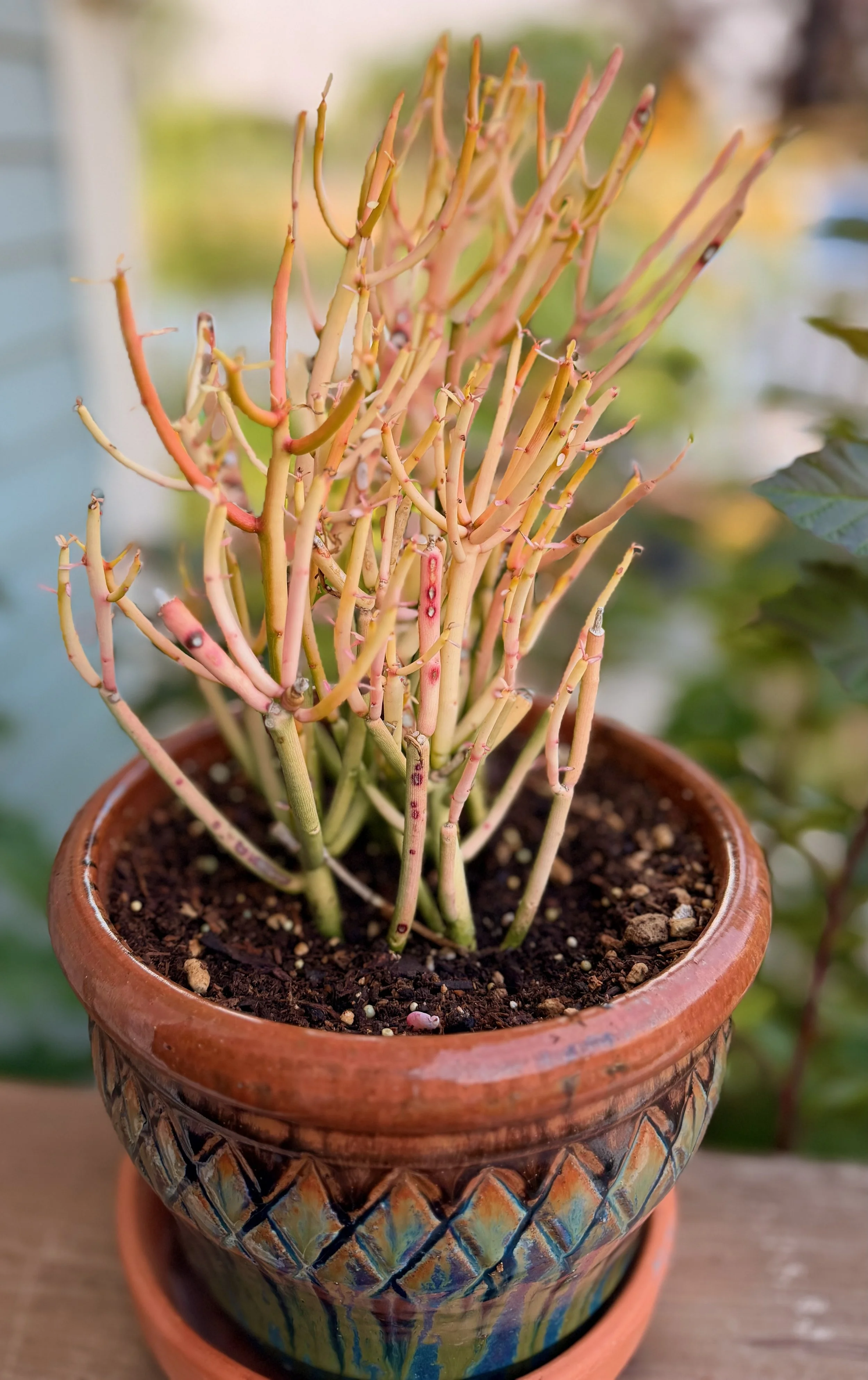
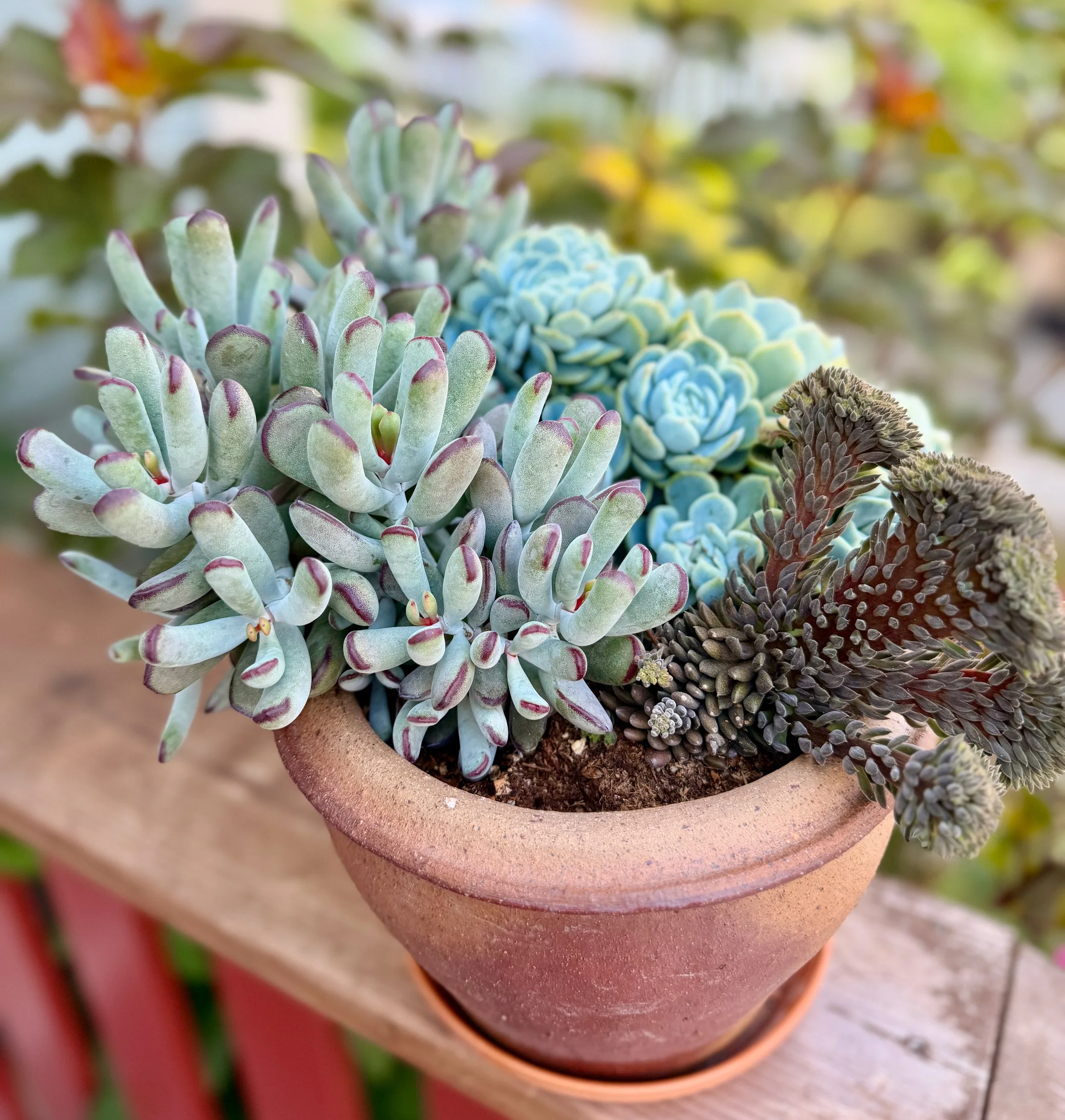
For containers, I use a balanced liquid fertilizer such as 5-5-5 or 10-10-10, diluted to about one-quarter to one-half strength. A fertilizer made specifically for cactus and succulents works just as well.
More fertilizer isn’t necessarily better with succulents. Too much can encourage soft, weak growth.
Give Succulents a Try
Even though we can’t grow every succulent outdoors year-round here in the Pacific Northwest, there are still plenty of ways to enjoy them. Choose hardy varieties for the garden and keep the more tender ones in containers that can be moved inside for winter.
They’re easy to grow, don’t require much attention, and come in an incredible range of shapes, colors and textures.
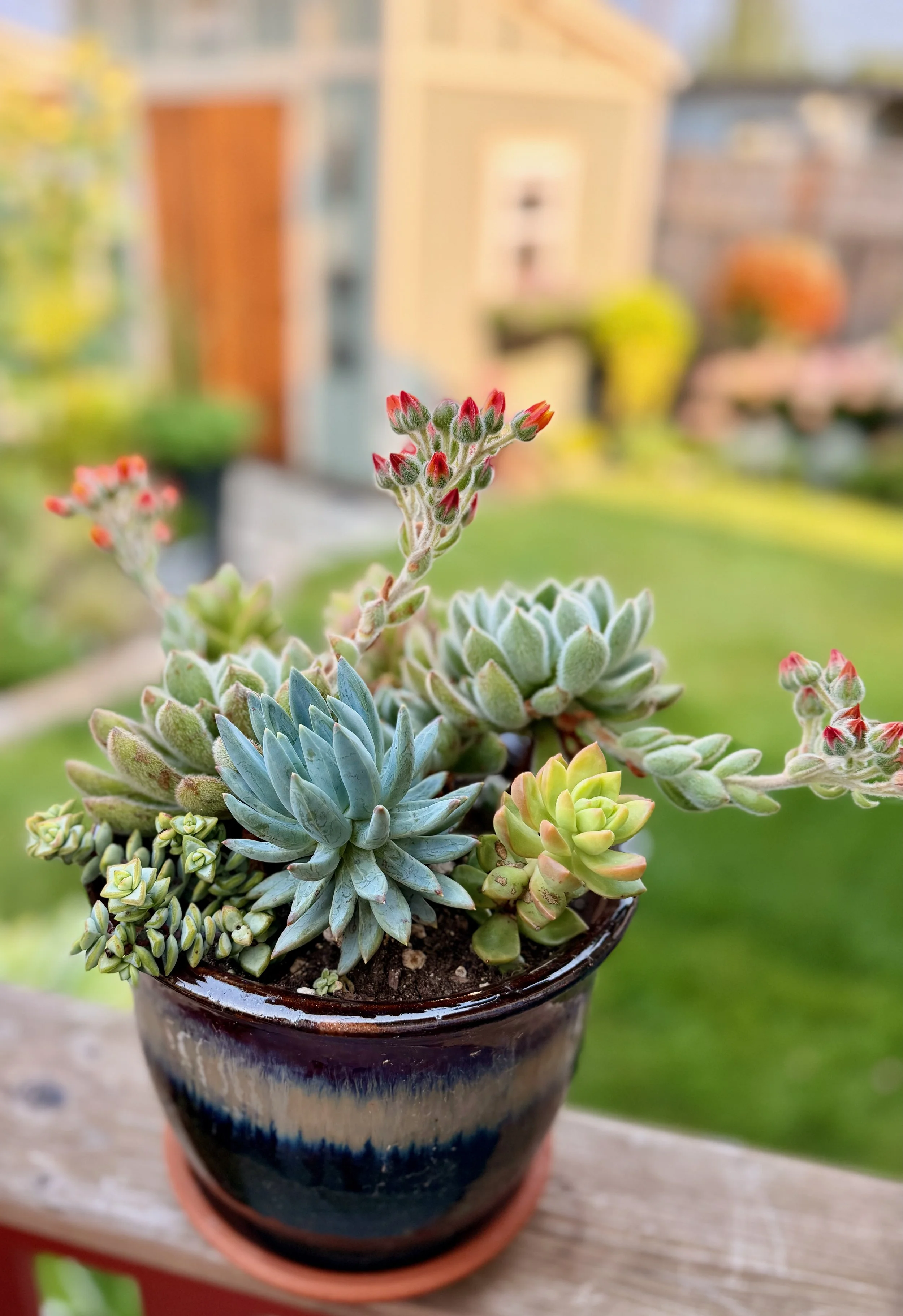
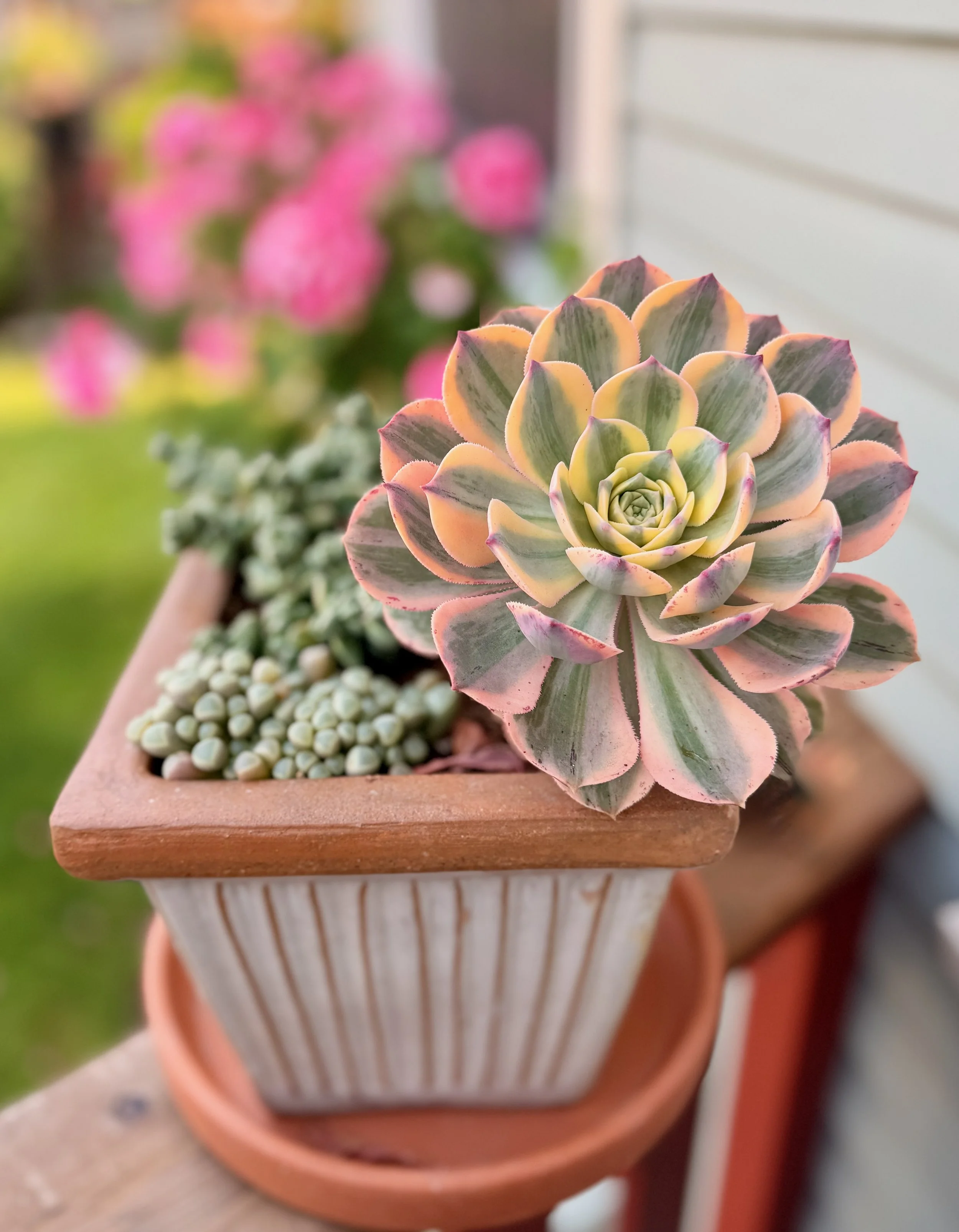
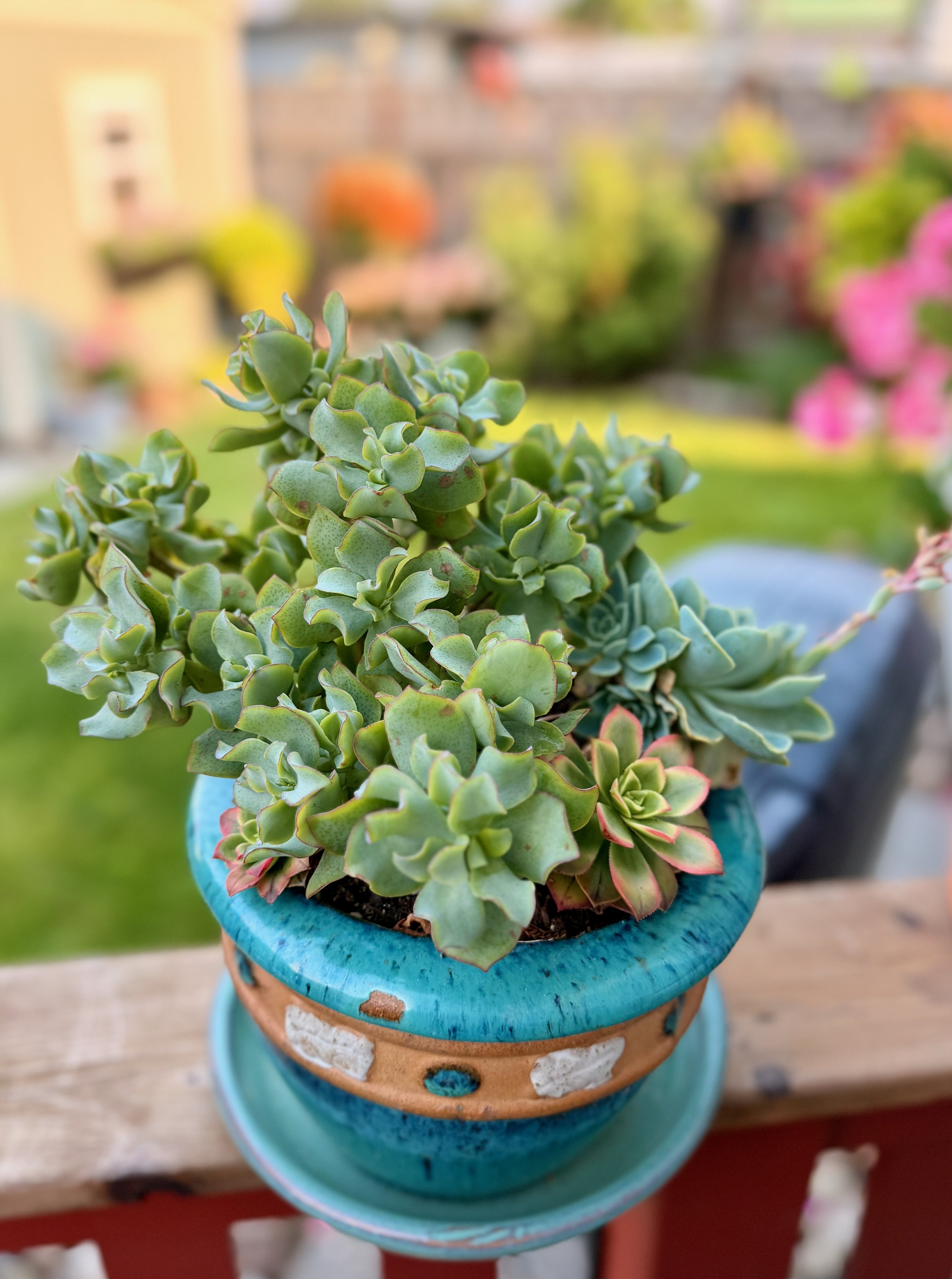
So give succulents a try. You may end up liking them more than you thought you would.
I certainly did.
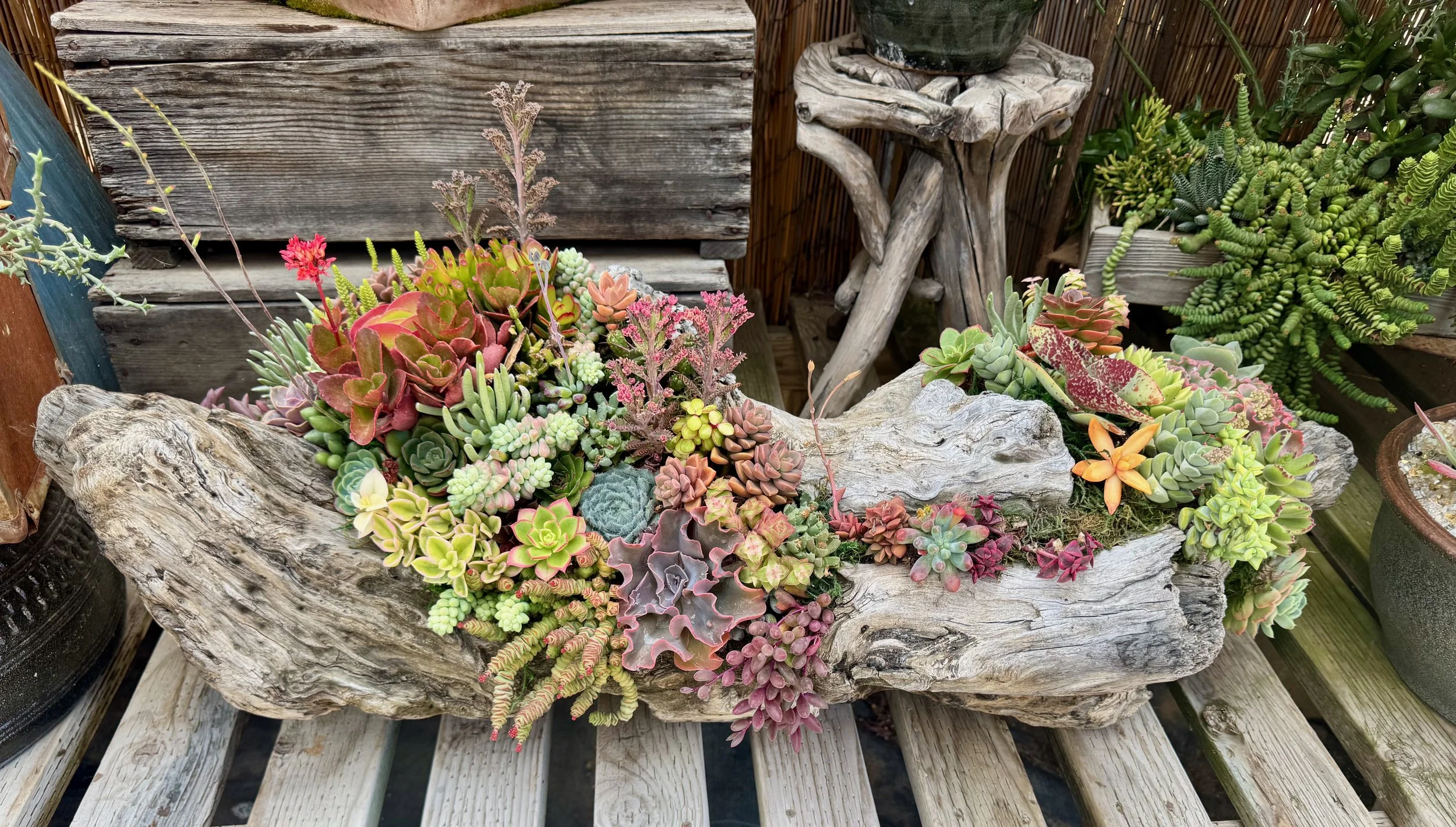
Succulent Desplay at Succulent Gardens, Castroville CA.