
A Slow Start for This Year’s Sunflowers
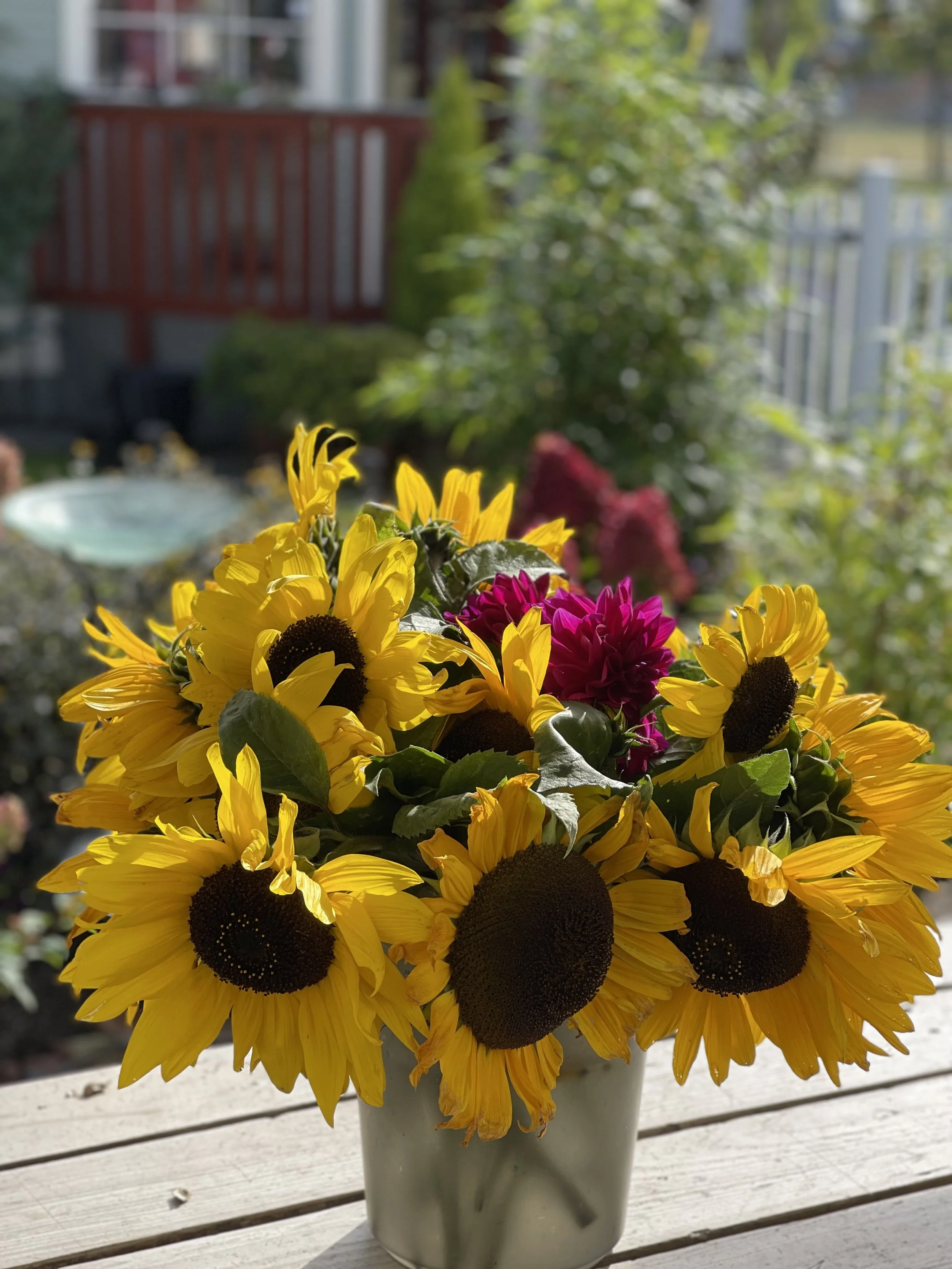
Sunflowers… One Of The Bright Spots Of Summer
It has been a strange gardening season so far. We had a very wet March, followed by a warmer, drier April and May. June was warm but somewhat wetter, while early summer has been pleasant and relatively moderate. What we’ve been missing are consistently warm days and nights—ideally with nighttime temperatures above 50°F.
Today, my focus is on sunflowers.
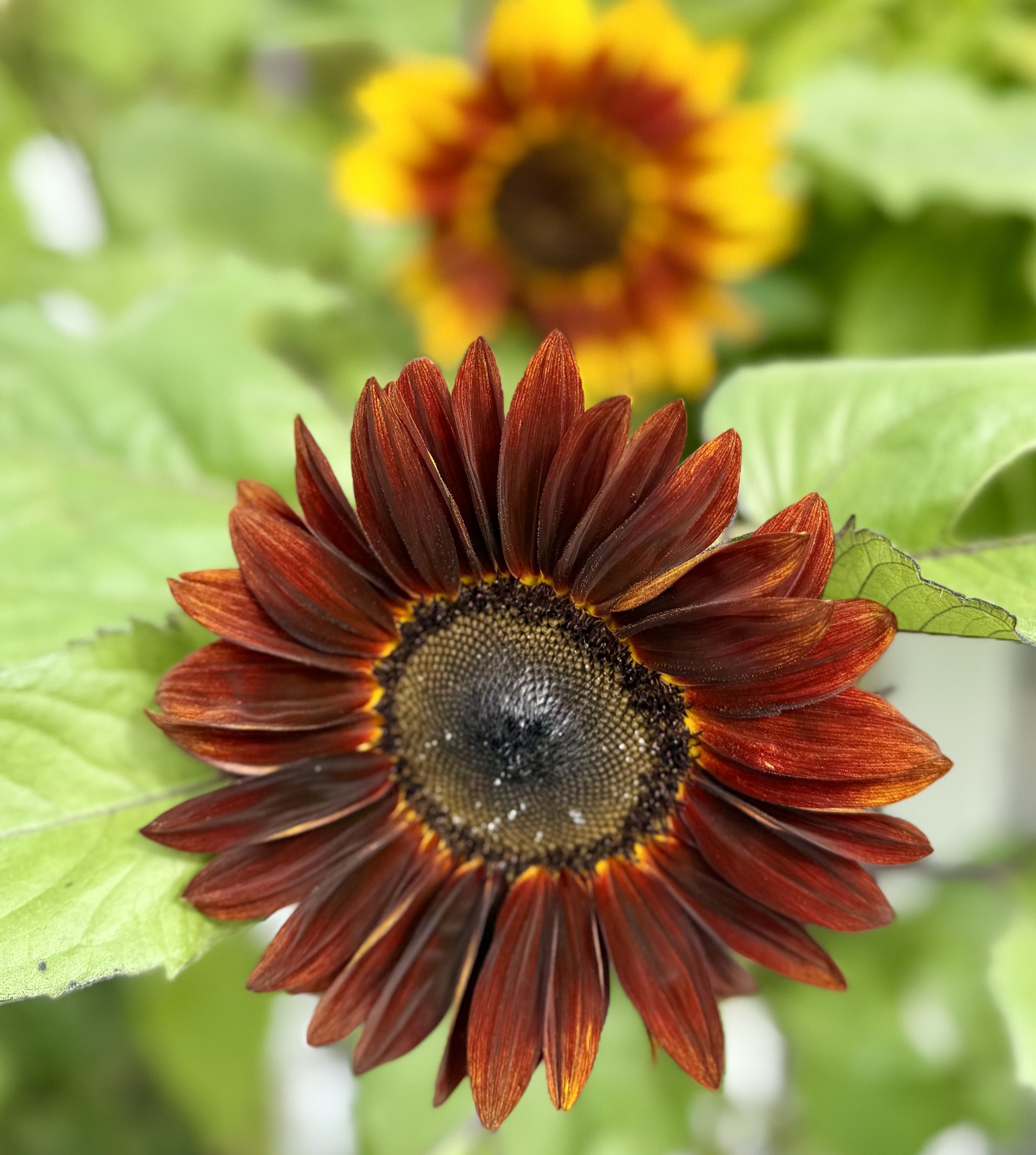
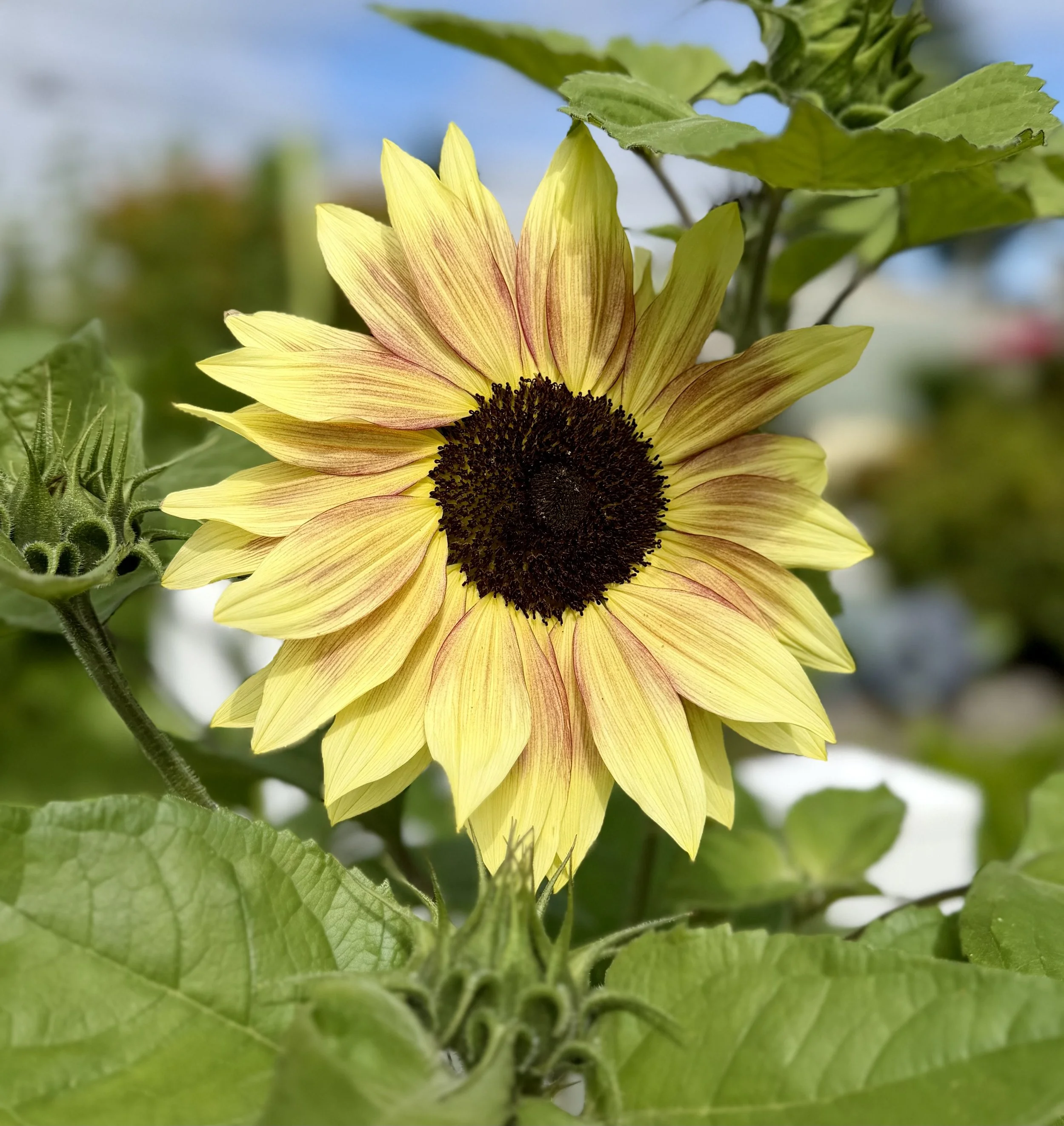
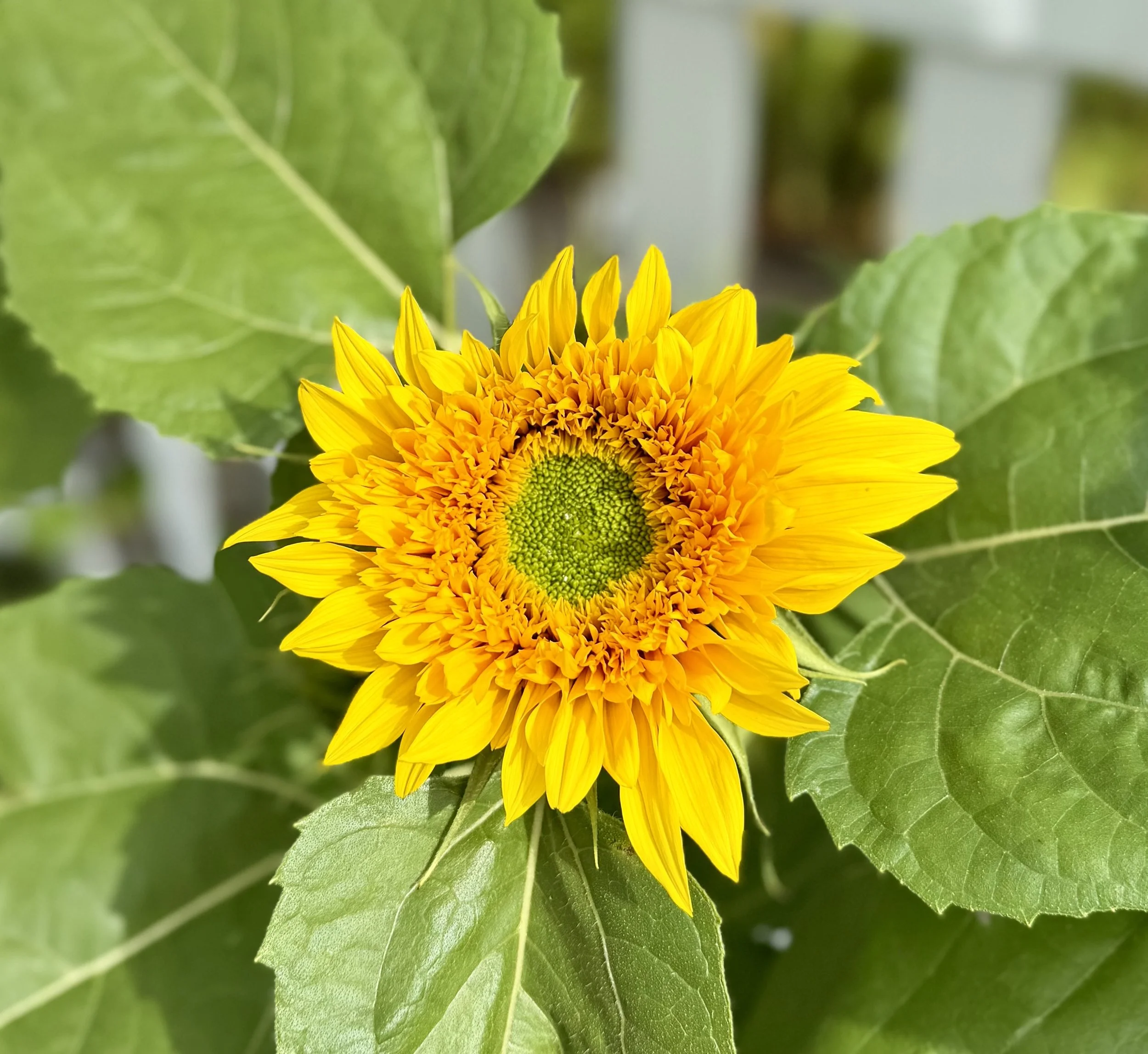
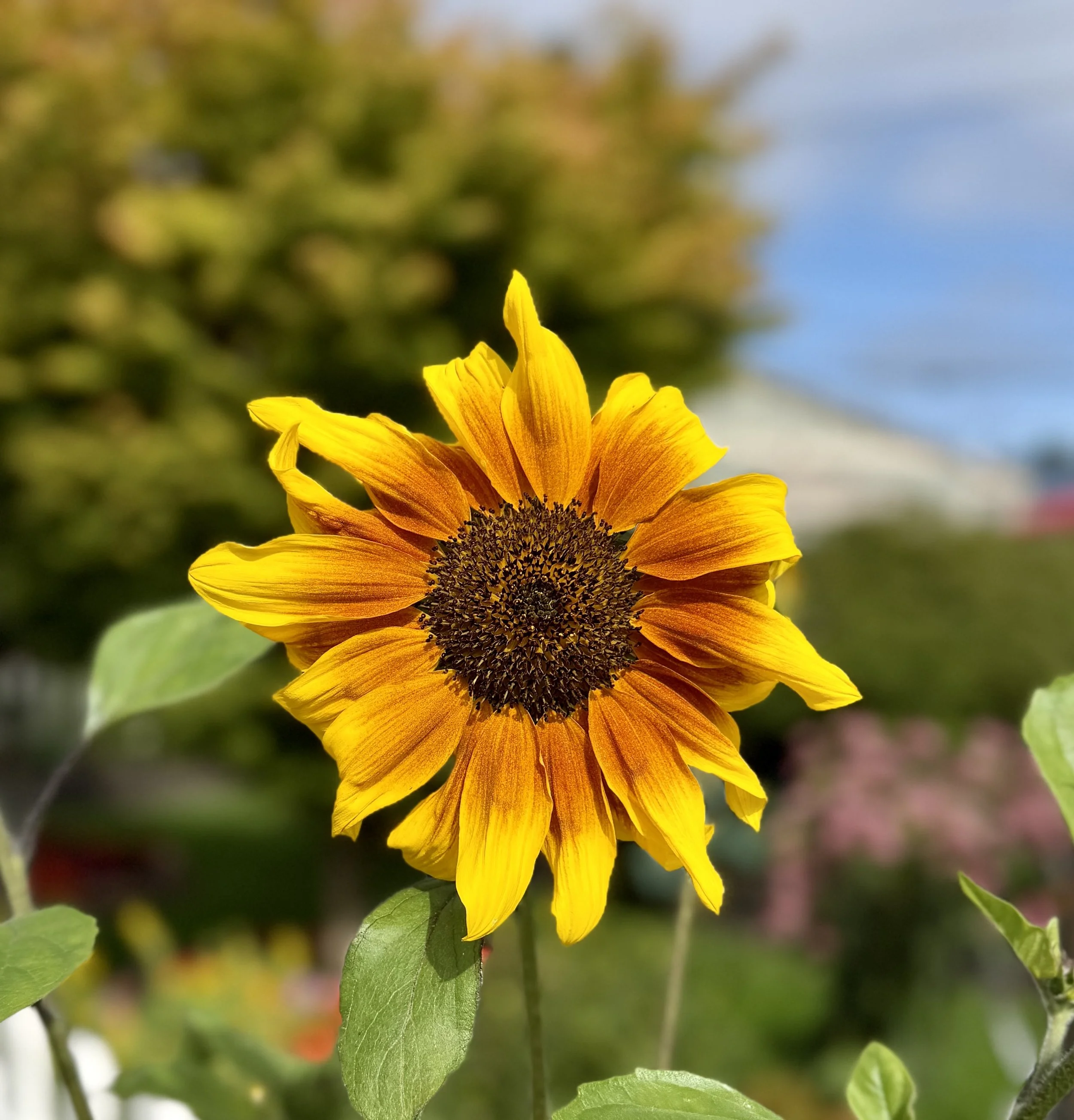
You can see how I start my sunflowers HERE. This year, I sowed the seeds on April 29. They germinated on May 2 and were transplanted into the garden on May 20.
During the final week of May, temperatures here in Everett averaged 64°F during the day and 49°F at night. That was a little cool for transplanting sunflowers, which prefer daytime temperatures in the upper 70s and nighttime temperatures in the upper 50s. Not surprisingly, the young plants got off to a slow, lazy start.
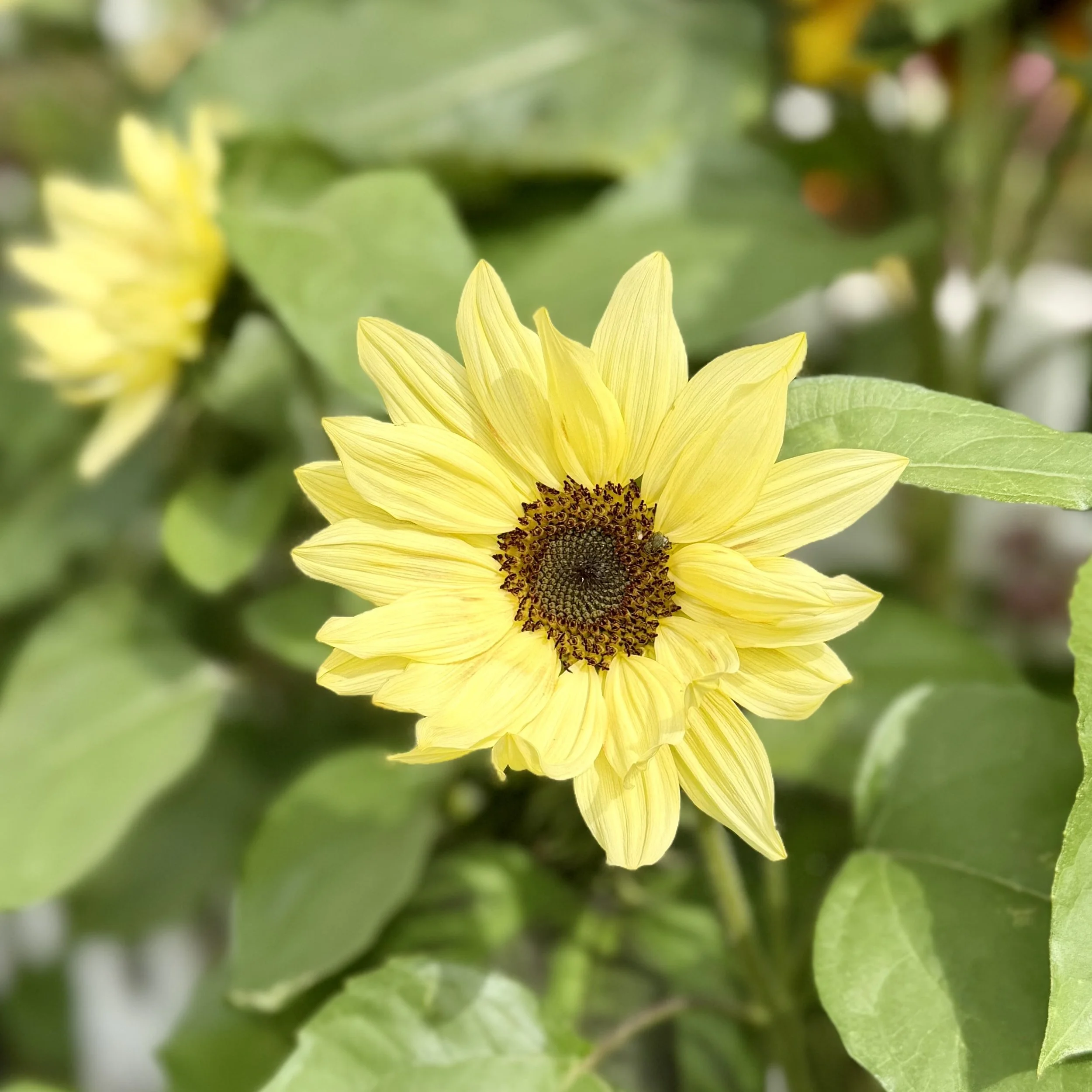
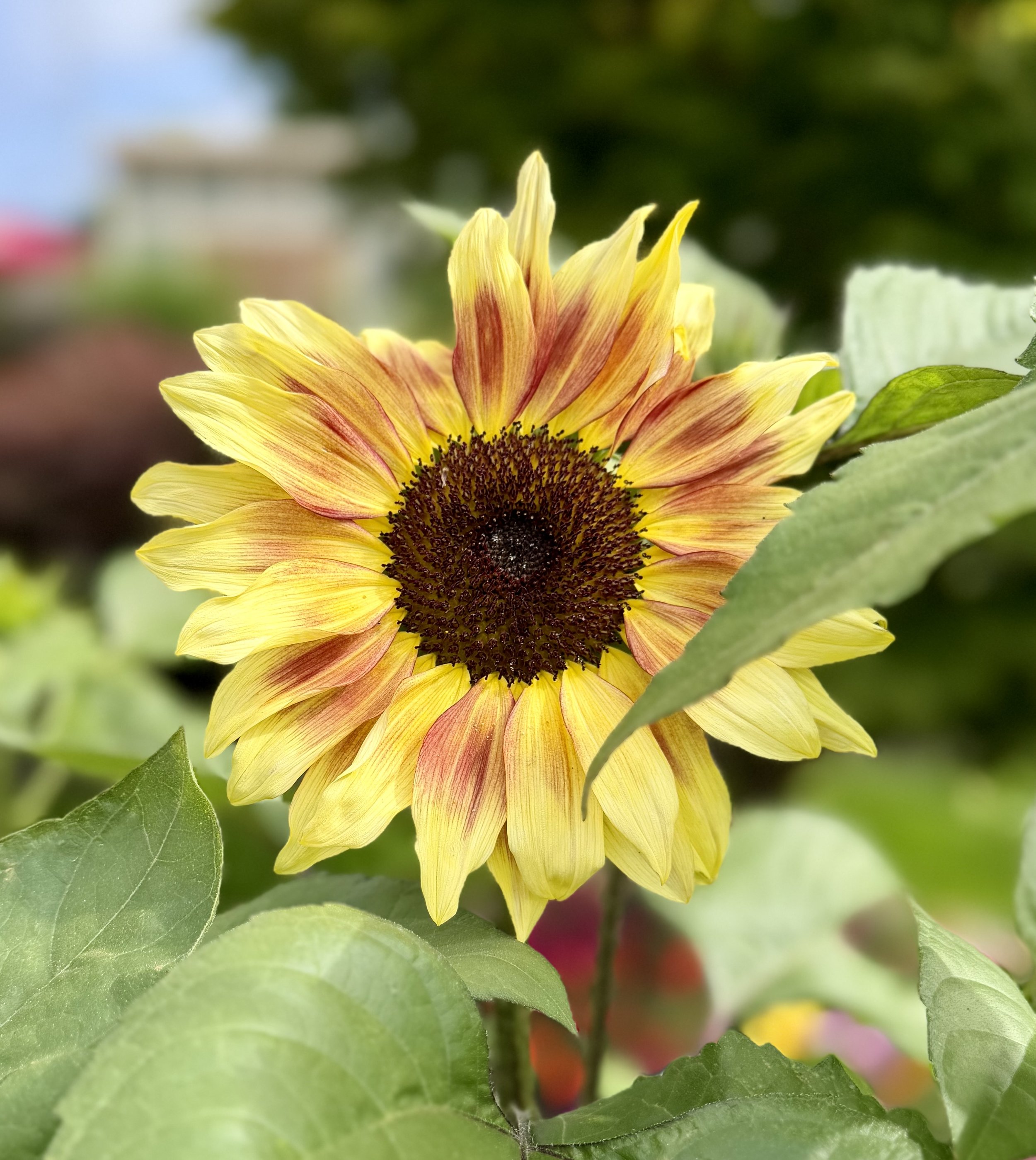
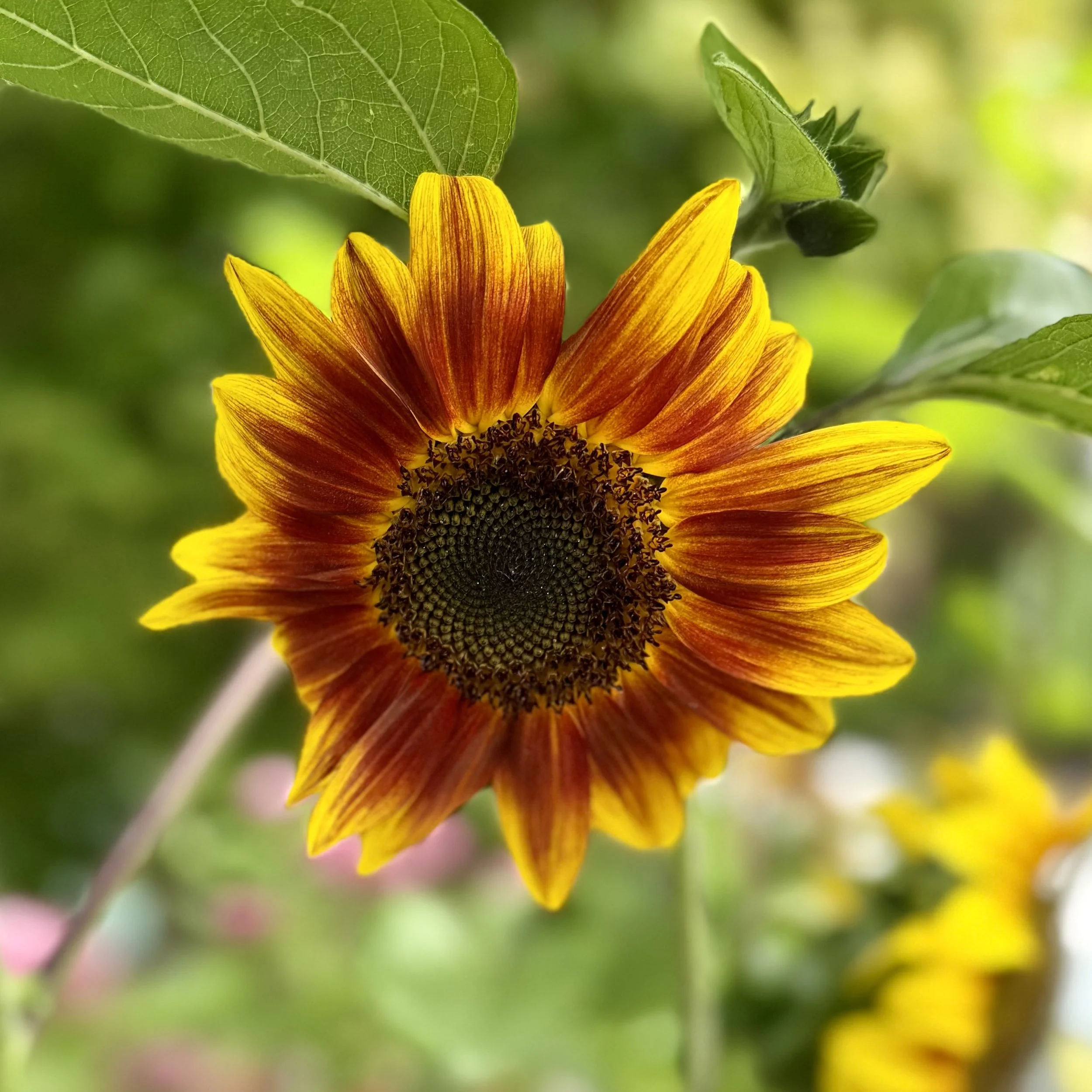
The sunflowers began blooming about a week ago. One thing I’ve noticed this year is that they are considerably shorter than usual—more than two feet shorter, by my estimate—and are topping out at around six feet.
There are a couple of possible explanations. Unlike last year, I didn’t add fertilizer to the planting holes, and this growing season began with cooler-than-usual temperatures. All the varieties I planted were expected to reach roughly the same height. The seeds were a mixture of old, new, and self-saved varieties, and germination was as good as usual. Nothing else seemed noticeably different from previous years, so I suppose I’ll chalk up their shorter stature to Mother Nature.
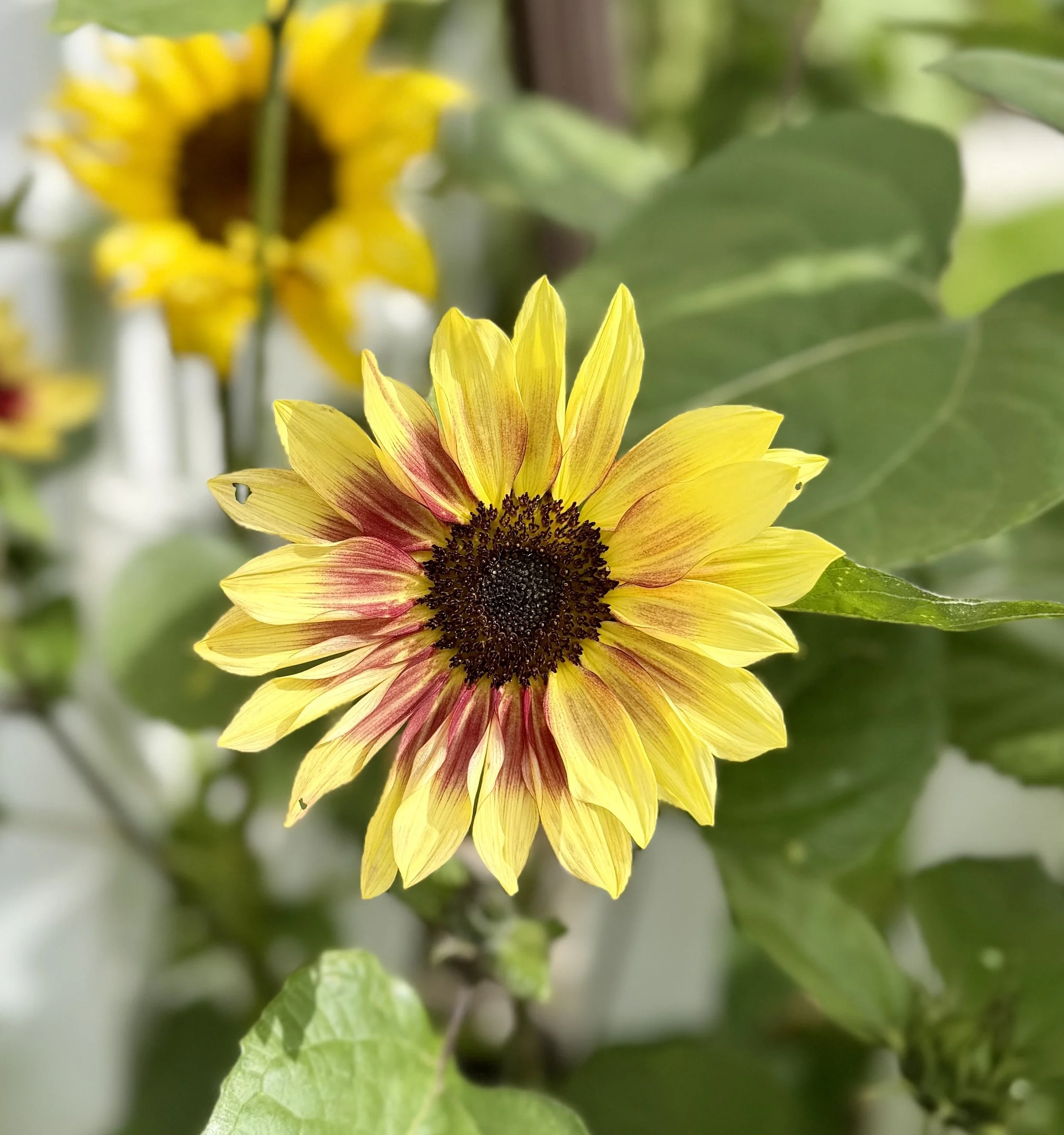
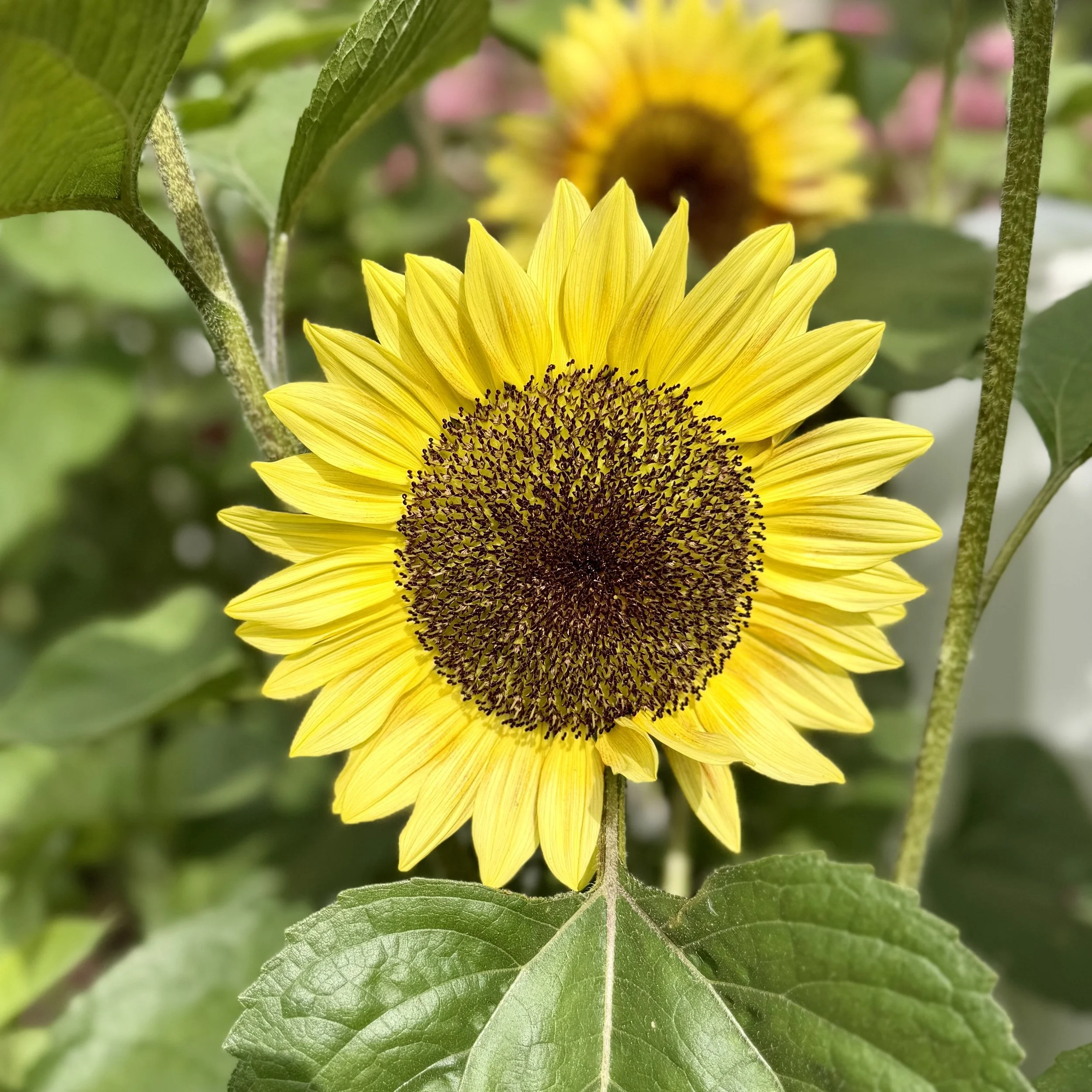
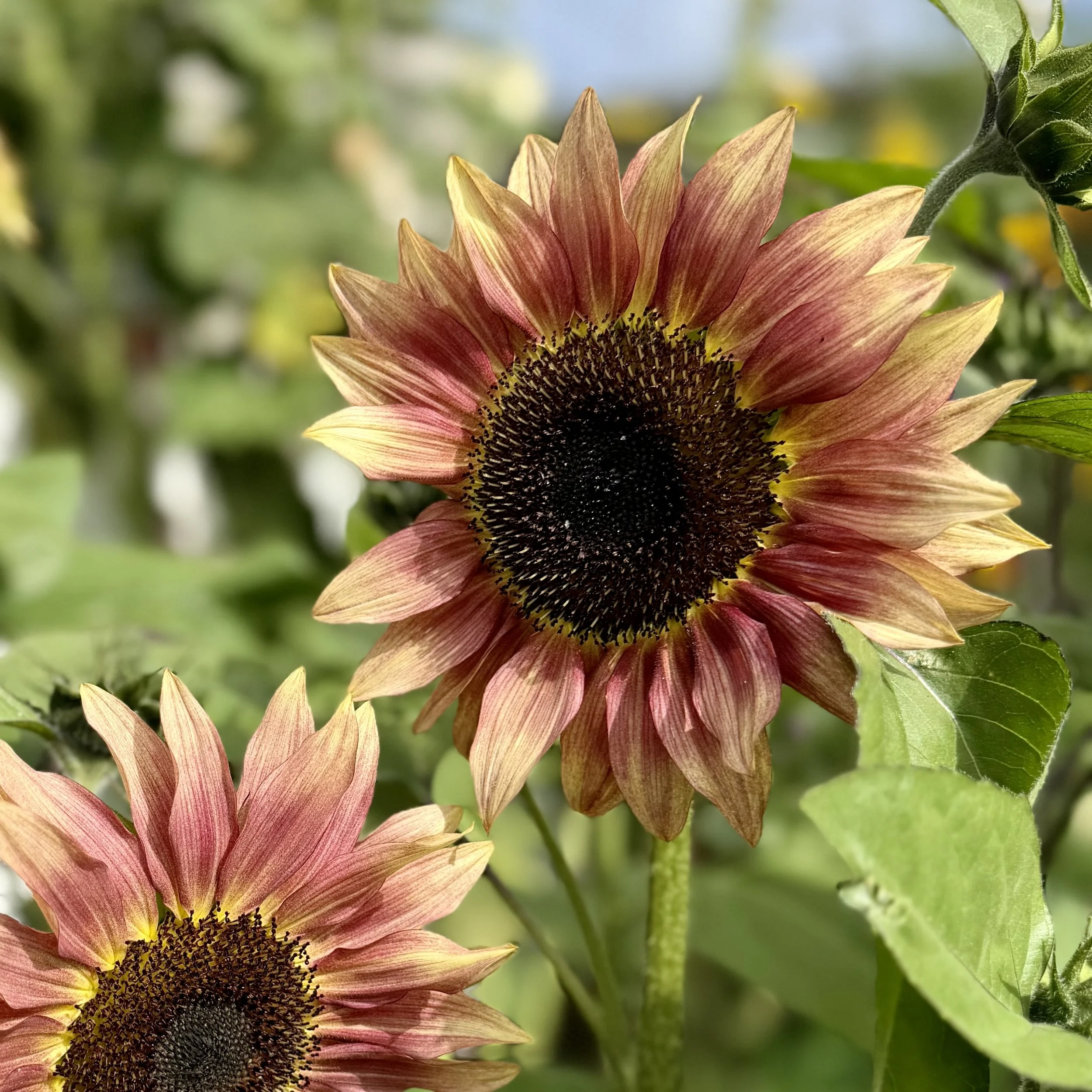
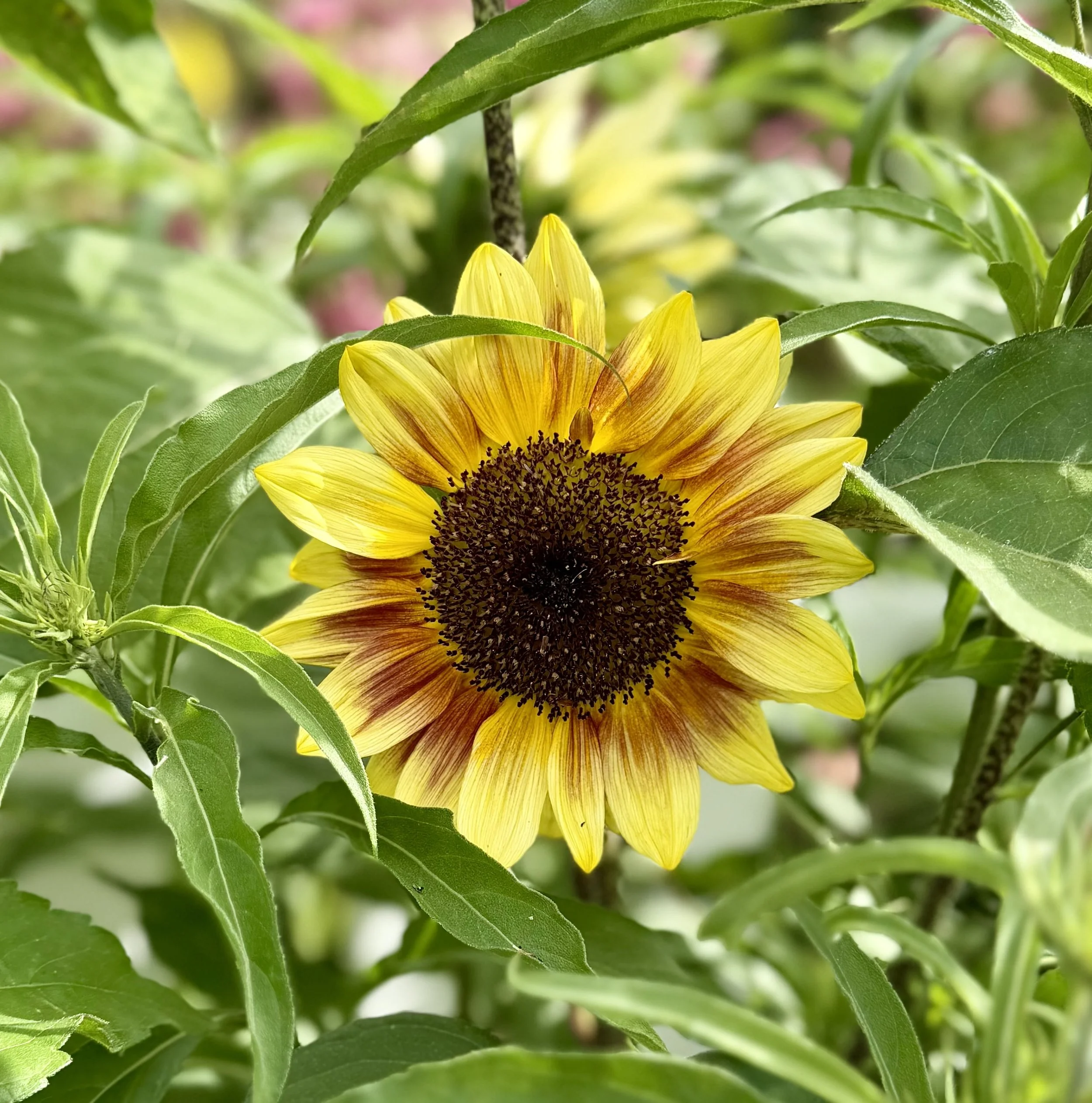
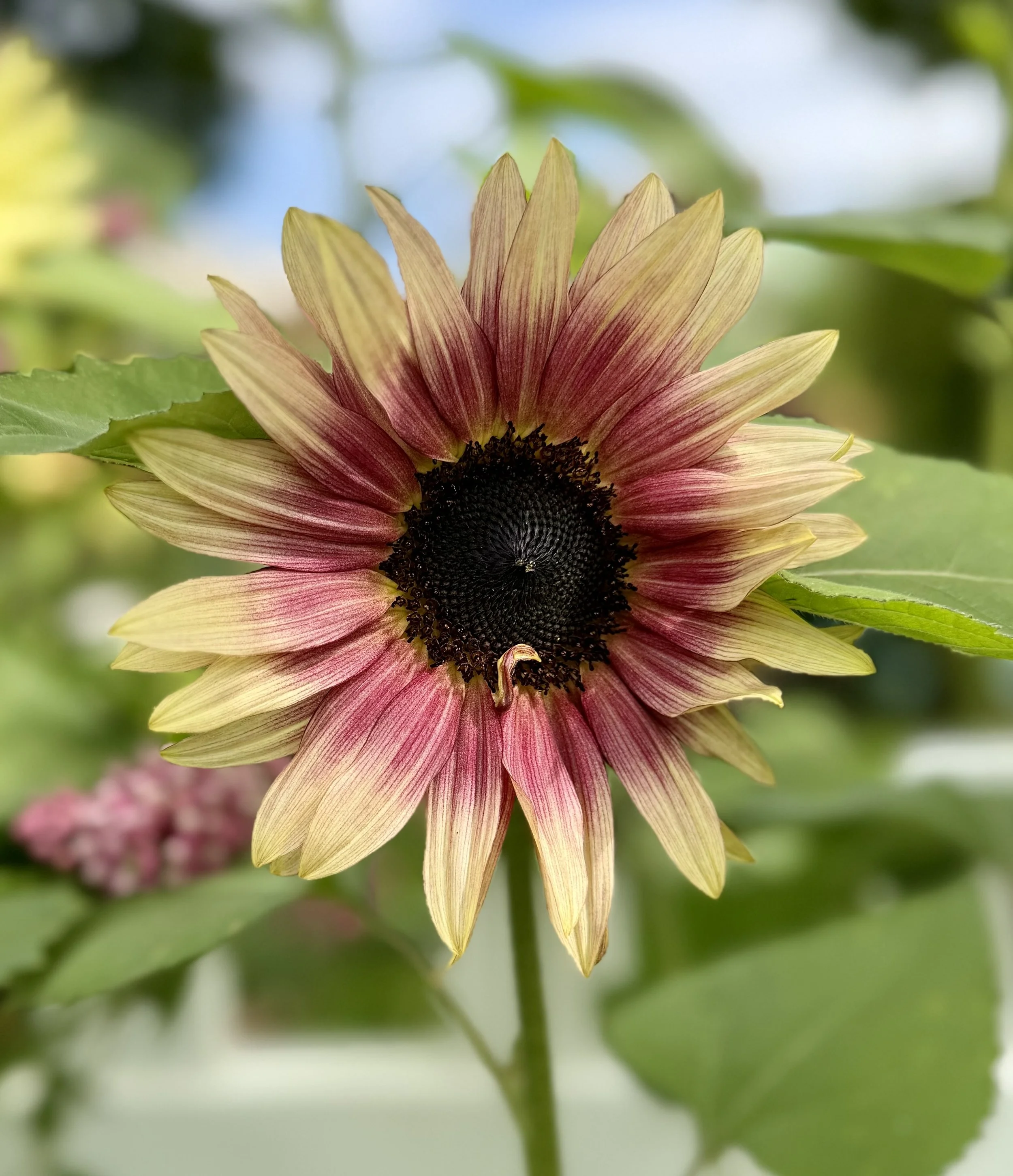
All the sunflowers I grow are branching varieties. Each plant produces one main flower—usually the largest—followed by another 10 to 12 blooms that form where the lower leaves meet the main stalk. The farther down the stalk they grow, the smaller the flowers tend to be.
These varieties will usually continue blooming well into late summer, as long as the fading flowers are regularly deadheaded. Allowing the first flower head to go to seed can greatly reduce both the number and quality of the later side blooms.
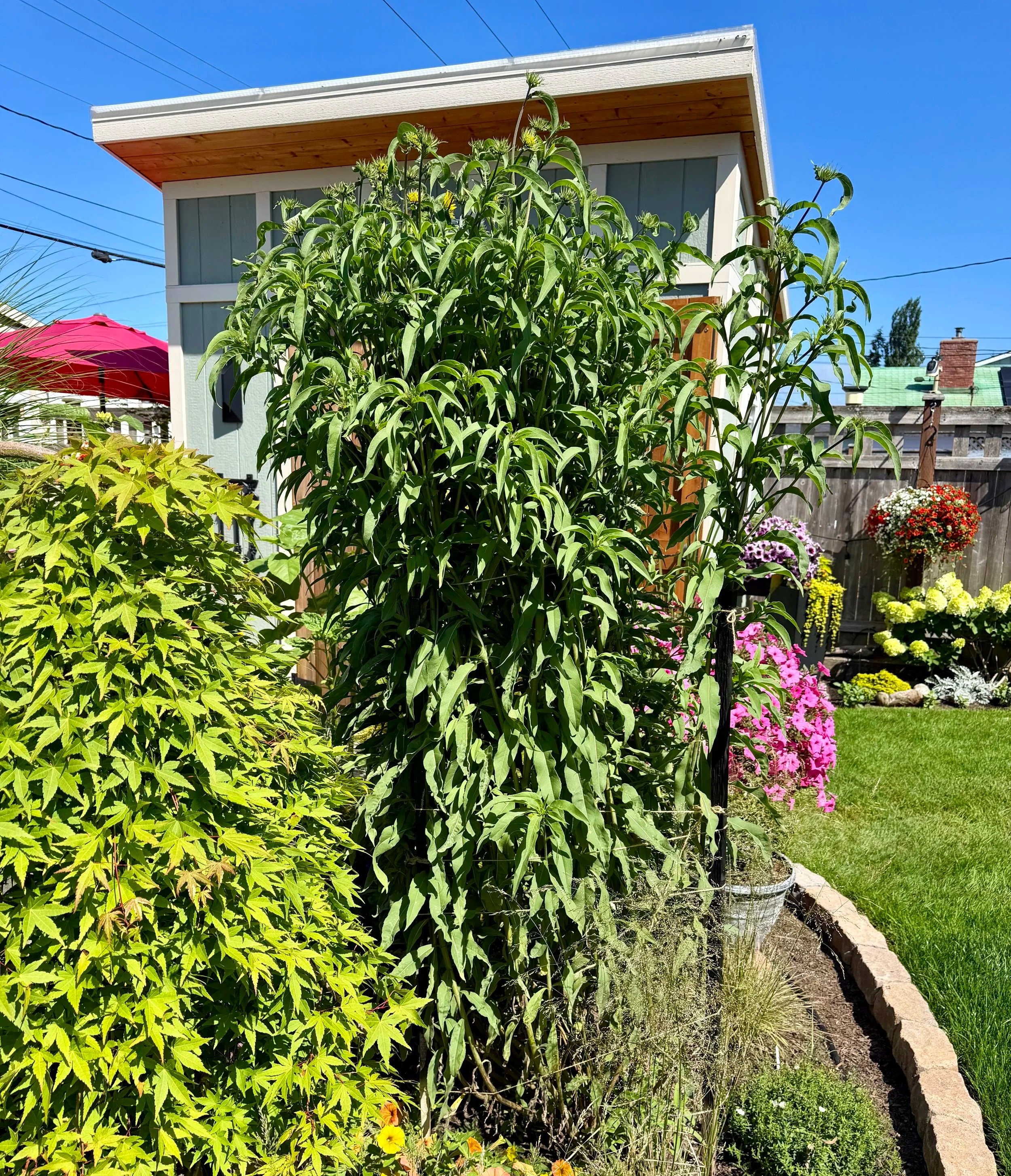
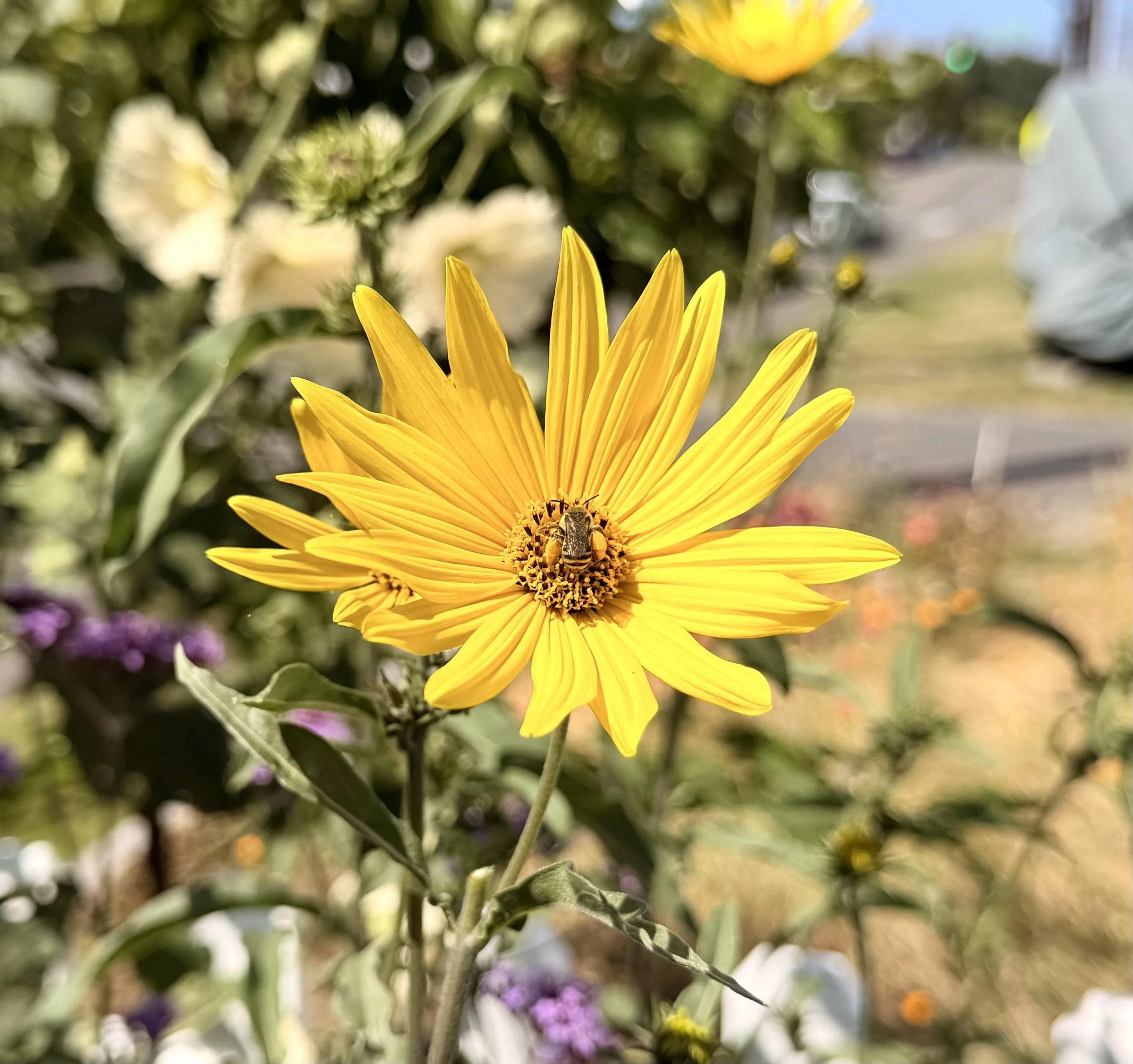
Another “sunflower” I grow is the Jerusalem artichoke (Helianthus tuberosus), a relative of the common sunflower (Helianthus annuus). Also known as sunroot, sunchoke, wild sunflower, topinambur, or earth apple, the Jerusalem artichoke is a species of sunflower native to central North America. It is now widely cultivated throughout temperate regions for its edible tubers, which are used as a root vegetable.
This impressive plant can grow up to 10 feet tall and more than four feet wide. It produces bright yellow flowers measuring two to four inches across, and a mature plant can be covered with hundreds of blooms. Jerusalem artichokes spread rapidly through their underground tubers, however, and can become invasive if they are not properly contained.
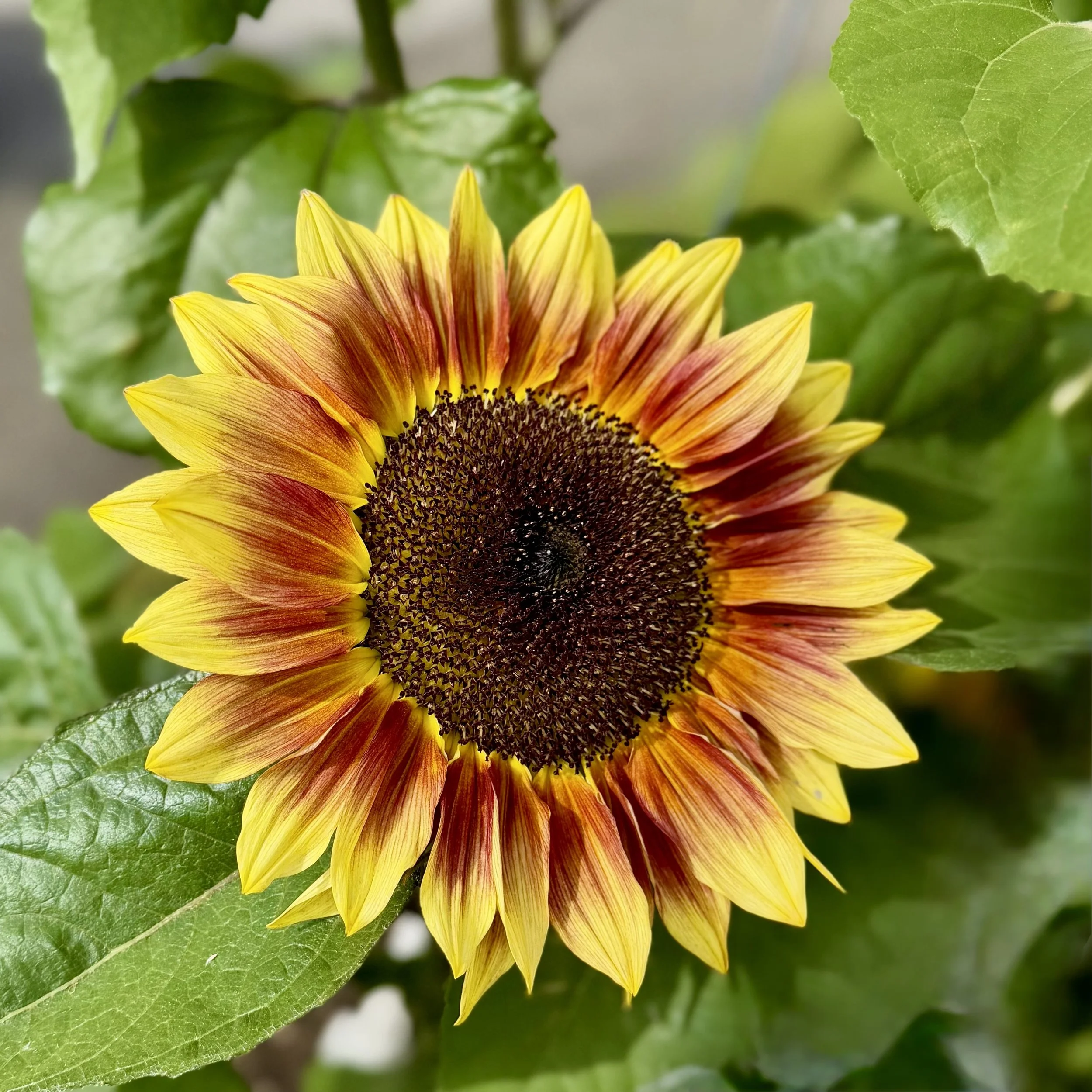
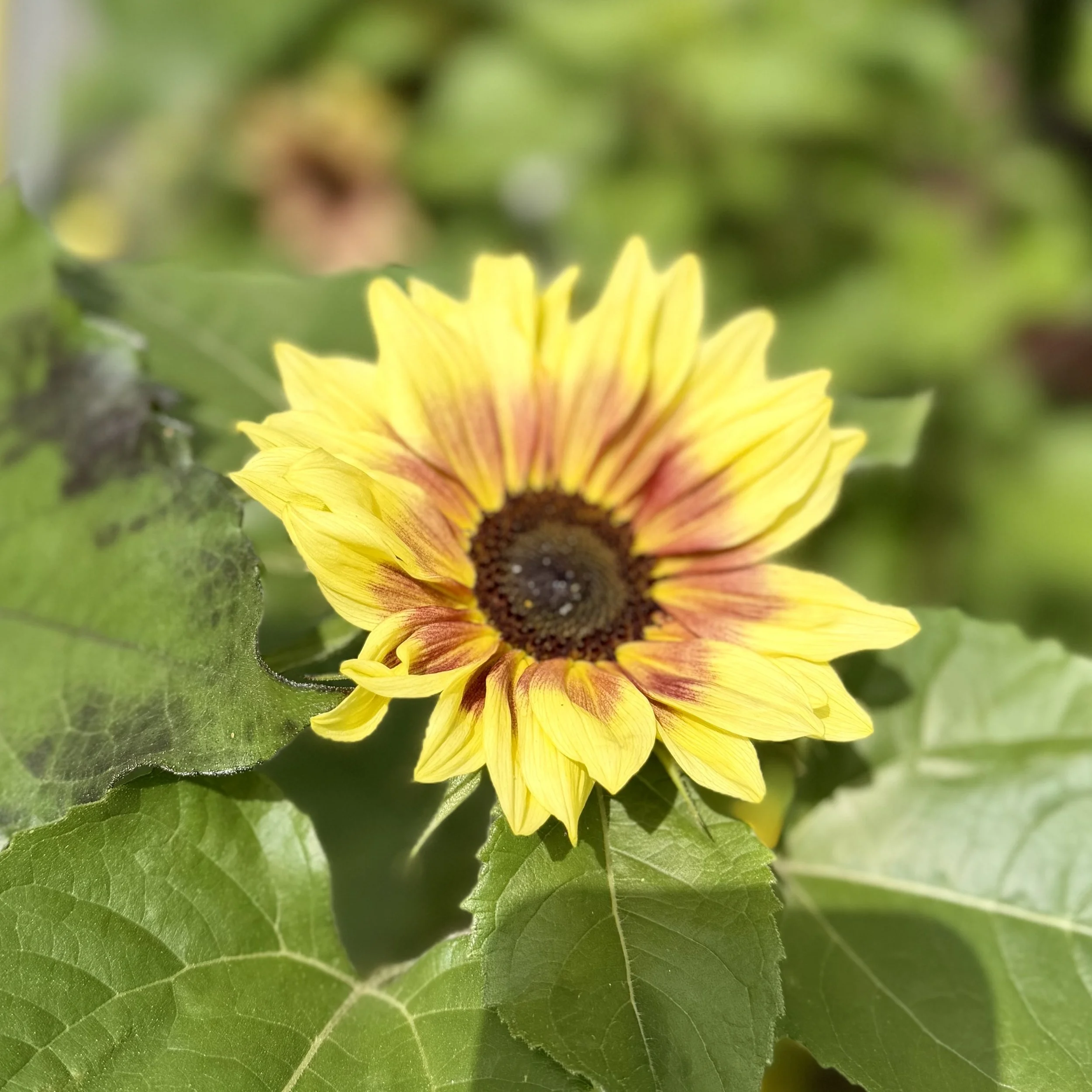
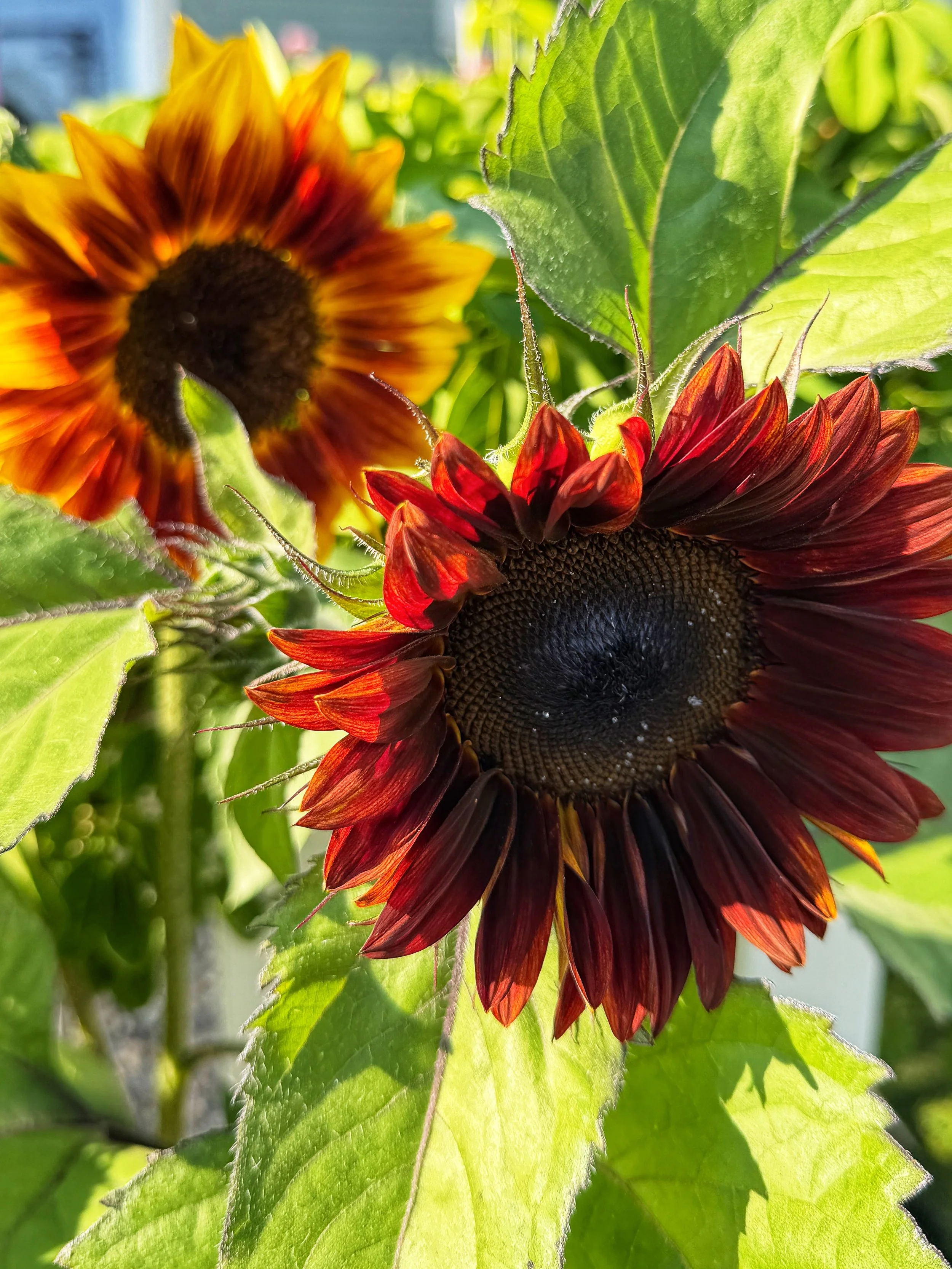
These photos were taken during the third week of July.